
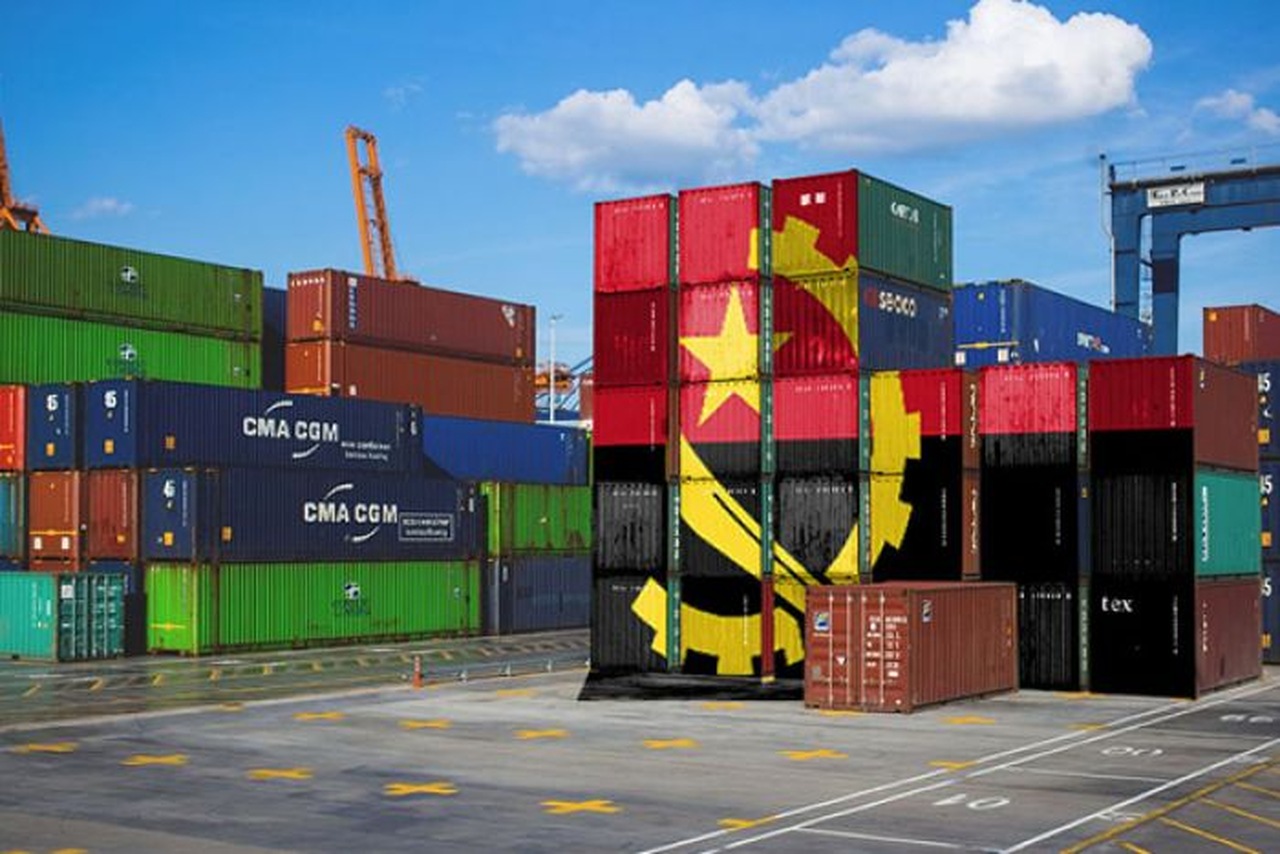
Angola has approved a national strategy and action plan to implement the African Continental Free Trade Area (AfCFTA), marking a significant step toward deeper regional economic integration.
The government says the initiative positions the country to benefit from what it describes as Africa’s most ambitious economic integration project, linking markets across the continent. The announcement followed a meeting involving Angolan officials, international partners and the United Nations Economic Commission for Africa (UNECA).
Speaking after the meeting, Industry and Trade Minister Rui Miguens de Oliveira said the AfCFTA goes beyond trade, describing it as a cornerstone of Agenda 2063, “The Africa We Want,” aimed at reshaping continental economic ties.
He said Angola’s natural resources, young population and strategic location give it strong potential to gain from expanded regional commerce. However, he stressed the need for a “clear, comprehensive and feasible strategy” to turn that potential into concrete results.
The plan prioritises stronger productive capacity, the development of regional value chains and greater participation of local firms in African markets. It also seeks to ensure benefits reach women, youth and other vulnerable groups.
Canada’s ambassador to Angola, Anderson Blanc, whose country supported the process, said successful implementation could strengthen Angola’s regional position and support a more connected African economy.
UNECA said discussions underscored the private sector’s role as a driver of growth, alongside improved coordination between government, business and civil society to ensure inclusive implementation.
Next steps include finalising the action plan, building coordination structures and mobilising technical and financial support from partners.
Established by the African Union in 2019, the AfCFTA aims to create the world’s largest free trade area, covering over 1.4 billion people and a market worth about US$3.4 trillion.
Despite its promise, the agreement faces obstacles including high financing costs, weak infrastructure and logistical bottlenecks that limit smaller firms’ participation.