
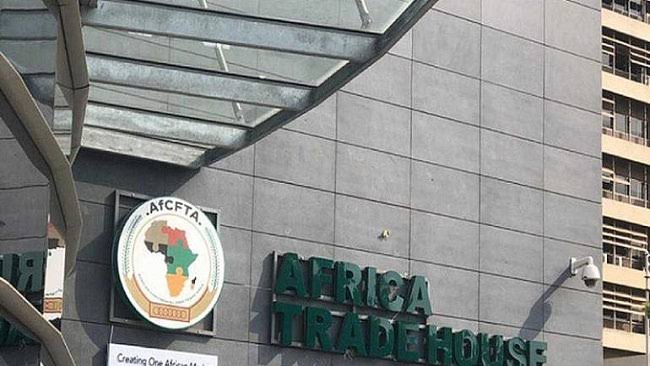
Cameroon is training businesses to unlock the benefits of the African Continental Free Trade Area, hoping to turn continental ambitions into stronger regional exports.
About 15 companies joined a workshop in Douala from June 29 to July 2, organised by the World Customs Organization, the European Union and Cameroon’s National Shippers’ Council.
The programme focuses on rules of origin, which determine whether goods qualify for reduced tariffs under the AfCFTA and gain preferential access to African markets.
Organisers said many exporters fail to claim available tariff preferences because they struggle with origin requirements, customs procedures and certification rules.
The workshop aims to build a national pool of experts who will later train customs officers, manufacturers, freight forwarders and other trade participants.
Experts said businesses must improve supply chain management, document production inputs and secure certificates of origin to maximise AfCFTA opportunities.
The initiative also brings together international expertise and regional cooperation, with support from the Central African Economic and Monetary Community and the Economic Community of Central African States.
Jacob Kotcho Bongkwaha of the ECCAS Commission said 400 Central African products already qualify for preferential treatment, with efforts underway to expand the list.
Despite the agreement entering into force, only a handful of Cameroonian companies have exported under its preferential regime, including tea producers, fruit exporters, a resin manufacturer and aluminium producer Alucam.
The limited participation reflects broader challenges, including administrative barriers, documentation gaps and the need to improve product quality for regional markets.
In 2023, Africa accounted for just 12.7% of Cameroon’s exports and 9.5% of its imports, underscoring the distance still separating promise from performance.
Officials say sustained reforms, digital customs systems and closer regional coordination will be needed if the AfCFTA is to become a genuine engine of trade, allowing Cameroon to broaden its export horizons across a market of more than 1.3 billion consumers.