
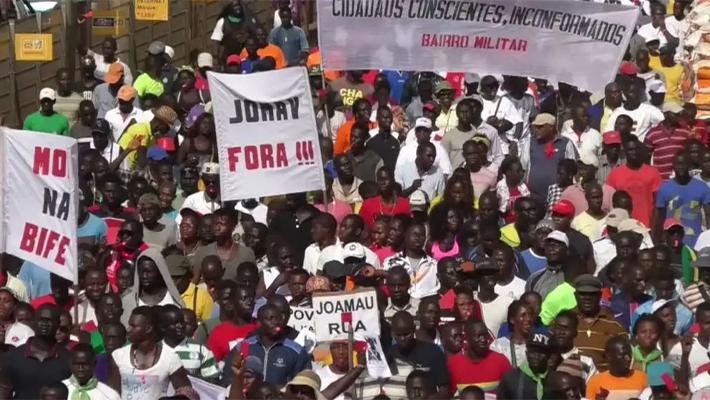
A new regional push for a constitutional referendum in Guinea-Bissau has triggered a sharp political backlash, raising fears that the country’s post-coup transition could slide into a deeper deadlock ahead of elections planned for December.
The controversy erupted after Timothy Musa Kabba, Sierra Leone’s foreign minister and head of an ECOWAS mediation mission, signaled regional backing for a referendum on a new constitution.
The camp of Fernando Dias da Costa, who says he won Guinea-Bissau’s disrupted presidential election, swiftly rejected the move, accusing ECOWAS of exceeding its mandate and legitimizing the military authorities who seized power in November.
The army takeover halted the electoral process and removed outgoing President Umaro Sissoco Embalo, who had been seeking a second term. The military said at the time that its intervention was necessary to prevent bloodshed, but the coup plunged the West African country into another period of uncertainty.
Guinea-Bissau is now led by Gen. Horta Inta-a, who heads the transitional military authority. He is expected to issue the draft constitution that would be put to a popular vote, a step critics say could reshape the rules of the political game before presidential and legislative elections scheduled for December 6.
Analysts say ECOWAS appears to be adjusting to the reality imposed by the military rather than forcing a confrontation it may be unable to sustain.
Eric Eziba, a political analyst specializing in African affairs, said the regional bloc’s support for a referendum amounts to “acceptance of the fait accompli” in Guinea-Bissau.
He said ECOWAS initially threatened broad sanctions but later appeared to conclude that such a move could further weaken the bloc, especially after Mali, Niger and Burkina Faso broke away following their own military takeovers.
The decision may also send a worrying message across West Africa, where armies have repeatedly intervened in politics in recent years. Critics argue that if ECOWAS is seen as accommodating Guinea-Bissau’s junta, other militaries may conclude that coups can eventually be normalized through negotiated transitions.
Dias da Costa’s team has gone further, accusing ECOWAS of worsening the crisis rather than mediating it. A campaign spokesperson told Radio France Internationale that many citizens no longer trust the bloc’s neutrality, arguing that the referendum plan effectively validates every step taken by the military since the takeover.
The spokesperson also criticized ECOWAS for failing to consult the opposition before publicly engaging with the constitutional process.
Political analyst Ibrahim Habibou said the dispute could undermine ECOWAS mediation altogether. He argued that the opposition is unlikely to accept a change in constitutional rules during an election period, particularly when no referendum date has been announced and the draft text has not yet been published.
That uncertainty means the referendum could take place only months before the planned elections, or even collide with the electoral calendar itself.
Habibou said a large part of Guinea-Bissau’s political class also rejects the idea that a foreign bloc should announce or shape such a sensitive constitutional process. He added that the military’s decision to leave ECOWAS at the front of the announcement places the regional bloc in an increasingly difficult position.
For now, the referendum dispute has opened a new front in Guinea-Bissau’s transition, with ECOWAS under pressure from both the junta and the opposition as the country moves toward a high-stakes election year.