
The United States has challenged the findings of an internal Sudanese investigation into allegations that chemical weapons were used during the country’s war, saying the process does not meet the standard of independent international verification.
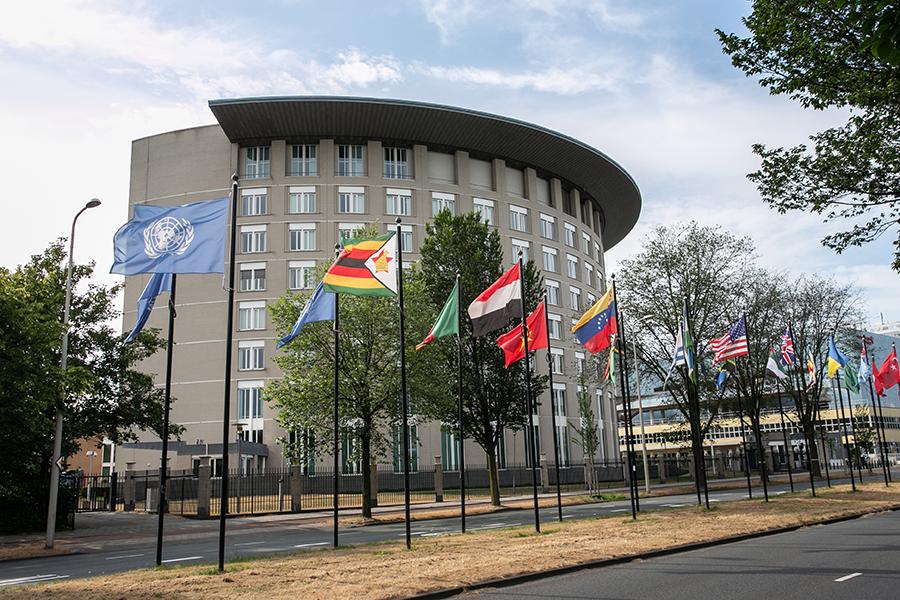
The dispute surfaced at a meeting of the Organisation for the Prohibition of Chemical Weapons in The Hague, where Sudan’s army-backed authorities presented an interim report claiming investigators had found no evidence to support accusations of chemical weapons use.
According to the Sudanese report, a national technical committee carried out field visits, reviewed available medical and official records, interviewed local residents and healthcare workers, and collected samples from sites linked to the allegations.
The committee said it had not found physical, medical, documentary or testimonial evidence confirming that banned chemical agents had been deployed.
However, the report did not identify all the locations examined, disclose laboratory findings or provide detailed information about the samples collected and the institutions responsible for testing them.
It also acknowledged that insecurity and logistical restrictions had prevented investigators from reaching some areas and obtaining all relevant records.
The United States said those limitations raised serious questions about the credibility and completeness of the inquiry.
In its statement to the OPCW Executive Council, Washington said Sudan’s national committee could not replace the formal obligations imposed by the Chemical Weapons Convention.
US officials said they had neither supervised the investigation nor sent experts to participate in the fieldwork.
Washington reiterated its assessment that Sudanese government forces used chemical weapons in 2024 and remained in breach of the convention during the following year.
It called on the Port Sudan authorities to submit a full declaration to the OPCW Technical Secretariat containing information on relevant facilities, materials and activities.
The United States also demanded that international inspectors be given unrestricted access to locations connected to the allegations.
The issue has added a new layer of diplomatic pressure on Sudan’s army-backed administration, which has repeatedly denied using prohibited weapons during the conflict.
Washington has already imposed additional sanctions over the allegations and has urged OPCW member states to deny Sudan leadership roles within the organisation while questions over compliance remain unresolved.
The Sudanese authorities have accused the United States of politicising the issue and say their investigation will continue as access to affected areas improves.
The OPCW has not publicly confirmed that it conducted its own full on-site investigation inside Sudan.
The controversy is likely to intensify calls for an independent inquiry capable of determining whether chemical agents were used, where any attacks took place and who may have authorised them.