
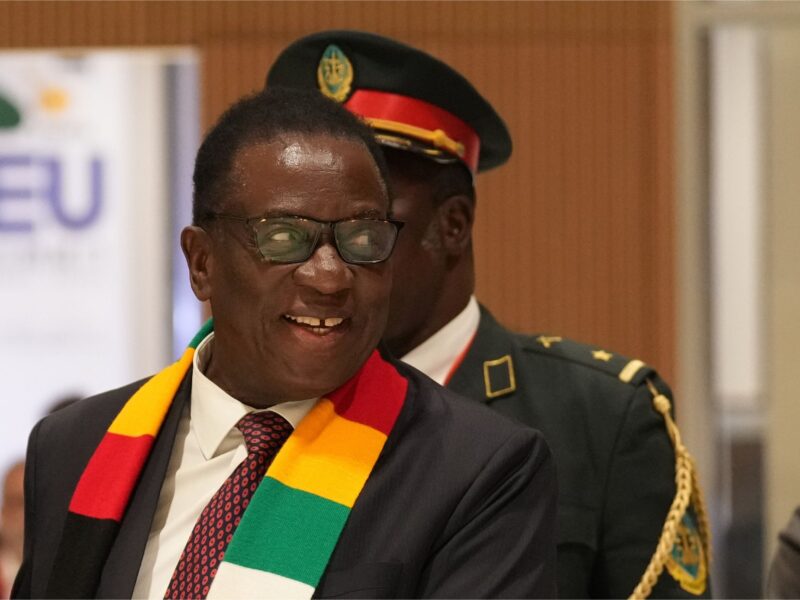
Zimbabwe stands at a volatile crossroads after sweeping constitutional changes triggered widespread calls for a national protest this Friday.
The recent amendments effectively dismantle presidential elections, allowing 83-year-old President Emmerson Mnangagwa to extend his term until at least 2030.
Opposition factions and the Zimbabwe Council of Churches have swiftly demanded a referendum, accusing the ruling party of engineering tyranny.
A newly forged opposition group, the People’s Coalition, is aggressively mobilizing citizens to join the upcoming nationwide stayaway.
Yet, a heavy shadow of fear hangs over the capital city of Harare, where previous demonstrations met brutal crackdowns.
Security forces previously arrested roughly 100 citizens during small, unauthorized anti-government protests in April of last year.
Many citizens now face a painful choice between economic survival and the dangerous allure of taking to the streets.
Ordinary workers express deep skepticism, noting that highly publicized national growth statistics fail to relieve their daily financial struggles.
Meanwhile, the ruling Zanu-PF party defends the legal revisions, claiming the longer terms guarantee crucial political and economic stability.
Independent political analysts warn that the civic space has shrunk dramatically, pushing the fractured nation toward a one-party state.