
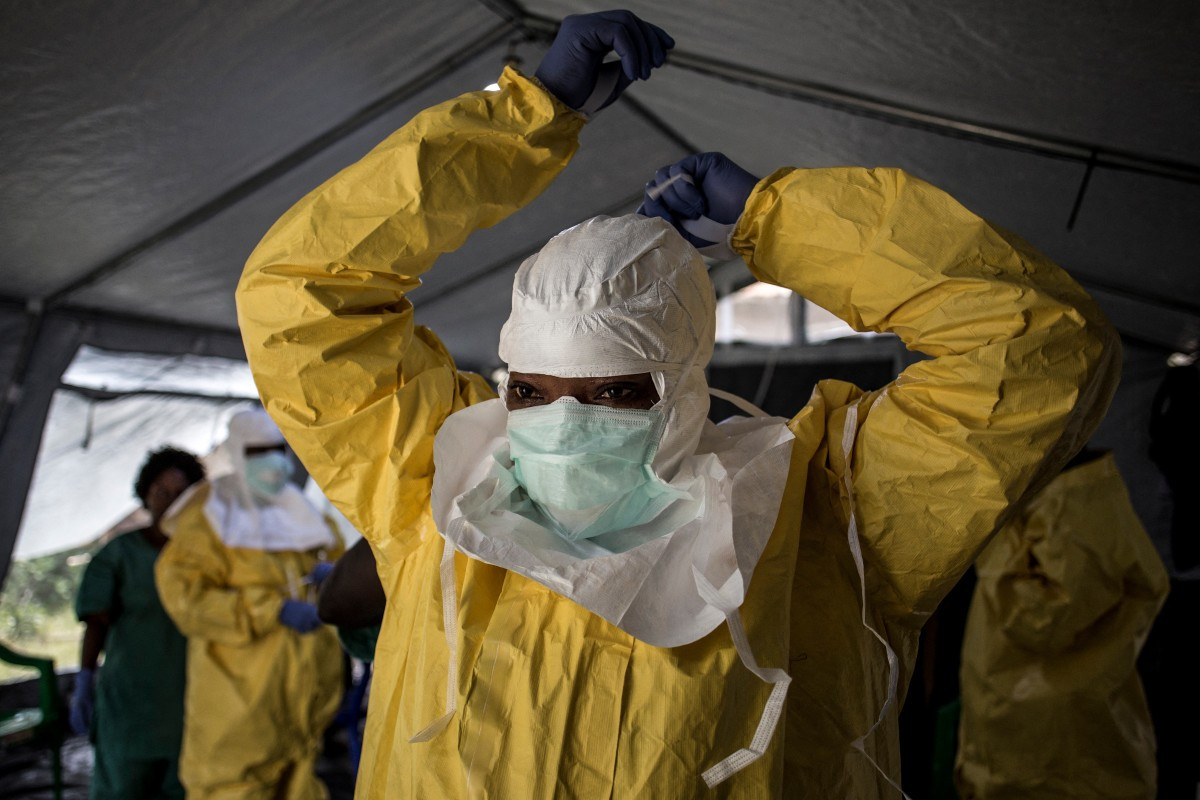
The United States has announced an additional $242 million in funding to combat the rapidly worsening Ebola outbreak in eastern Democratic Republic of Congo, nearly doubling its financial commitment to the international response.
The new funding will support up to six months of operations and raise total direct US assistance to $512 million, State Department spokesperson Tommy Pigott said on Wednesday.
The outbreak, described as the second-largest Ebola epidemic on record, has spread rapidly because of delays in detection, weaknesses in disease surveillance, ongoing conflict in eastern Congo and the lack of vaccines and treatments targeting the strain currently circulating.
French medical charity Médecins Sans Frontières said the situation was “more critical than ever”, warning that the number of deaths recorded during the first 11 weeks of the outbreak was more than five times higher than during the same stage of the 2014–2016 West Africa epidemic, which ultimately killed more than 11,000 people.
Congolese authorities had confirmed 3,874 cases and 1,751 deaths as of Tuesday. However, the World Health Organization has warned that the true number of infections could be two to four times higher because of major gaps in case detection and contact tracing.
The United States remains the largest contributor to the international response. Washington says its assistance has supported more than 180 health facilities in affected areas and financed the purchase and distribution of nearly 300 tonnes of essential medical supplies.
“While we recognise that the road ahead is long and challenging, the United States’ support has unquestionably stopped this outbreak from being worse,” Pigott said.
International aid organisations have criticised President Donald Trump’s administration over earlier reductions in foreign assistance, including the dismantling of the US Agency for International Development. They argue that the cuts weakened local preparedness and left health workers poorly equipped when the outbreak began.
Pigott rejected those claims, saying the transfer of US foreign aid programmes to the State Department had made the response more efficient.
Despite the new US commitment, major funding gaps remain. The WHO said last month that it had received only about 40% of the $115 million it requested to support its Ebola response.