
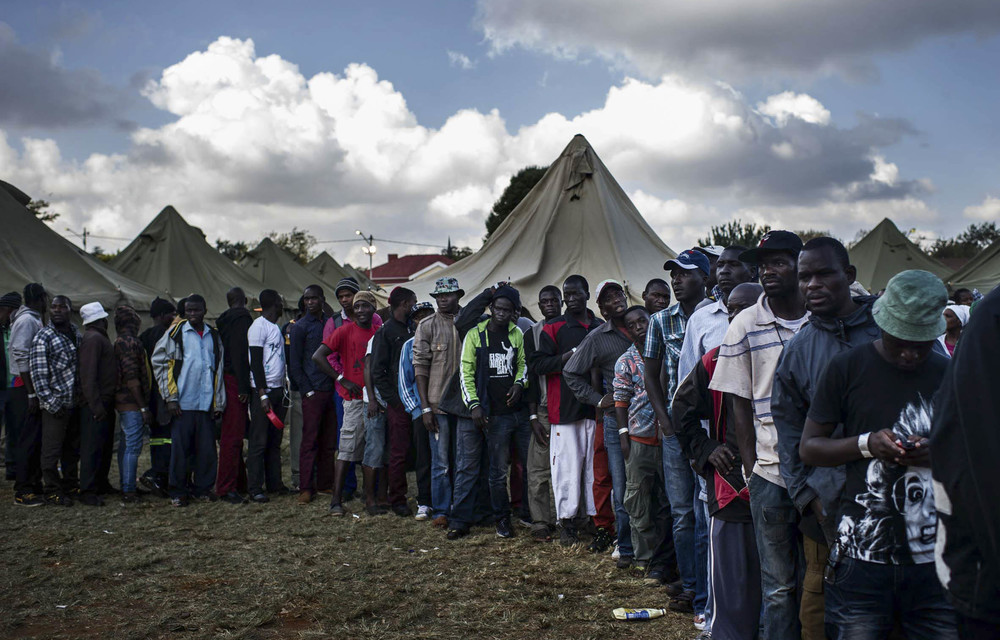
Malawi has completed the repatriation of 56,723 citizens caught up in anti-immigrant violence in South Africa.
Nearly 900 buses carried them home over four months, government disaster officials said.
Among them was Rahim Ali, 33, who fled Johannesburg after losing his job at a solar panel shop.
He said returning felt like relief, and expressed gratitude to the government for bringing him home safely.
Ali had worked in South Africa since 2019, first on farms, later in retail, sending money to support his siblings.
In May, a mob linked to the “March and March” movement forced his employer to dismiss foreign workers.
He soon lost his rented home and joined others camped outside Malawi’s consulate awaiting evacuation.
South African President Cyril Ramaphosa has blamed opportunists for exploiting economic frustration to incite the unrest.
He insists the violence does not reflect his government’s official policy toward foreign nationals.
Researcher Loren Landau, of monitoring group Xenowatch, said authorities have taken no real action against organisers of the violence.
Xenowatch recorded 406 xenophobic incidents between 2022 and 2025, with 75 resulting in deaths.
Analysts warn the unrest threatens African Union goals on free movement, trade and labour integration.
Academic Boniface Dulani said the expulsions will convince Africans that regional integration promises exist only on paper.
He linked government inaction to political caution ahead of South Africa’s November local elections.
South Africa has also demanded Malawi, Nigeria and Ethiopia repay roughly $19 million spent on repatriations.
Landau called the demand an insult, saying it undercuts Pretoria’s pledge to repair regional relations.
Malawi’s own repatriation effort cost nearly $5 million, prompting lawmakers to debate restricting undocumented labour migration.
Ali says he has no plans to return to South Africa.
He has put up land he once bought there for sale, hoping to start a small business instead.
“I saw enough of that violence,” he said.