
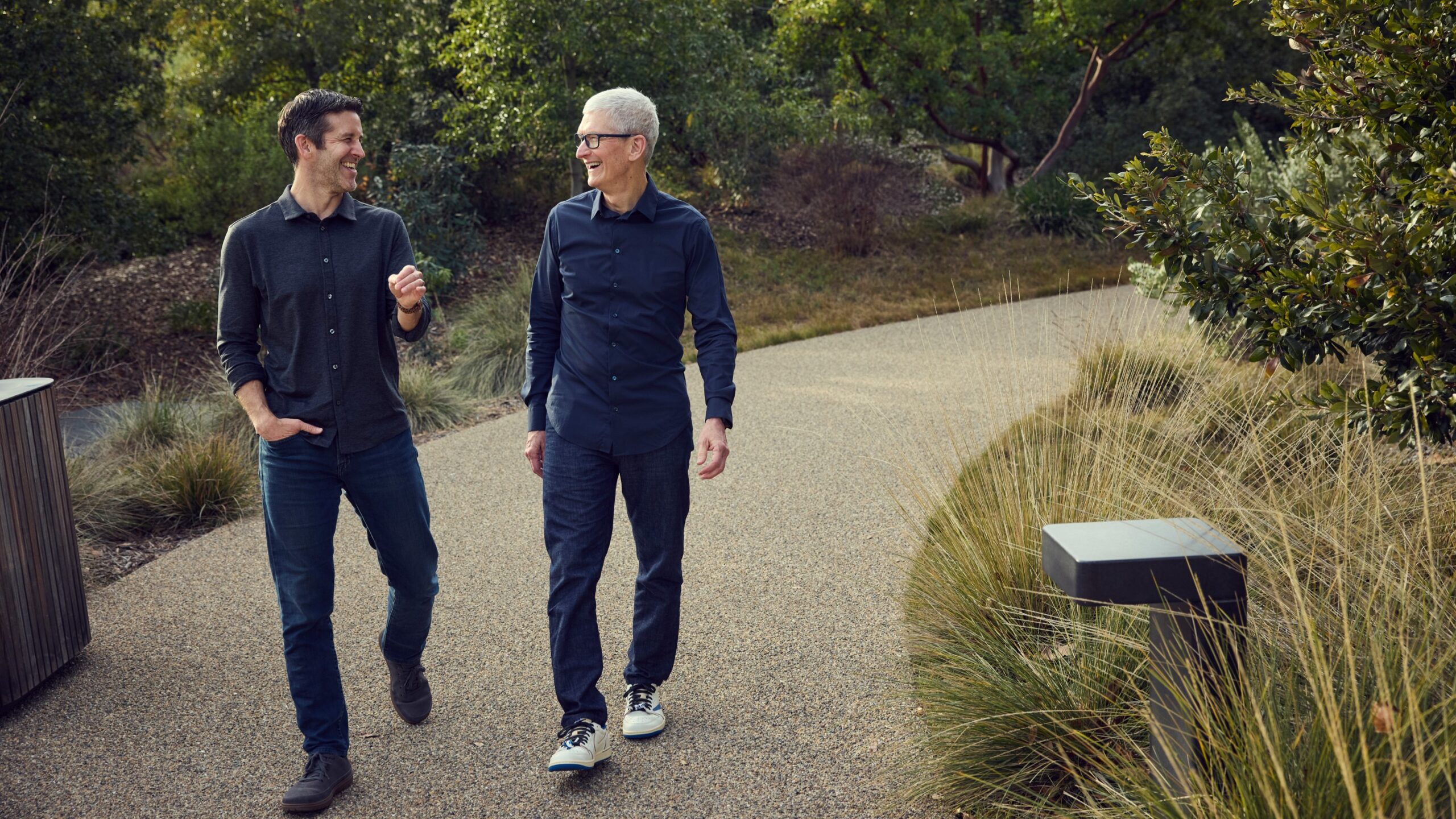
Business Insider Africa reports, Tim Cook has stepped down as Apple CEO after 15 years, handing leadership of the technology giant to longtime hardware executive John Ternus.
Ternus officially became Apple CEO on September 1, while Cook moved into the role of executive chairman.
Cook leaves behind a dramatically larger company. Apple says its market value grew from about $350 billion when he became CEO in 2011 to around $4 trillion. Annual revenue also climbed from $108 billion to more than $416 billion in fiscal 2025.
However, Apple’s growth has not produced the same physical presence across Africa.
Apple’s Africa footprint remains limited
Apple products have attracted millions of consumers across African markets. Yet the company still lacks a company-owned Apple Store on the continent, according to Business Insider Africa.
The company also has no major continental headquarters or Developer Academy in Africa.
That limited presence stands out because African countries play an important role in global technology supply chains.
Apple suppliers have historically sourced minerals including tantalum, tin, tungsten and gold from the Democratic Republic of Congo, Rwanda and other African countries, according to the report.
Apple invested in African projects under Cook
Despite its limited commercial footprint, Apple supported several projects across Africa during Cook’s leadership.
In Kenya, the company partnered with Conservation International on environmental restoration in the Chyulu Hills.
Apple also supported renewable energy projects in South Africa and Nigeria. In the DRC, the company backed renewable energy for the Malaika School.
Meanwhile, climate programmes supported by Apple also reached Namibia and Zimbabwe.
However, these initiatives remained relatively small compared with Apple’s major investment commitments elsewhere.
John Ternus takes control of Apple
Ternus, 51, spent about 25 years at Apple before taking the top job.
He previously led Apple’s hardware engineering operations and played a major role in developing several generations of the company’s products.
Apple announced the leadership transition in April after its board unanimously approved the succession plan.
Ternus now inherits one of the world’s most valuable companies. He also takes charge as Apple faces growing competition in artificial intelligence and other emerging technologies.
For Africa, the leadership change raises another question: Will Apple expand its investment and physical presence on the continent under its new CEO?
Africa has a young population, expanding consumer markets and an important position in global technology supply chains. Ternus will now determine how prominently those opportunities feature in Apple’s next chapter.