
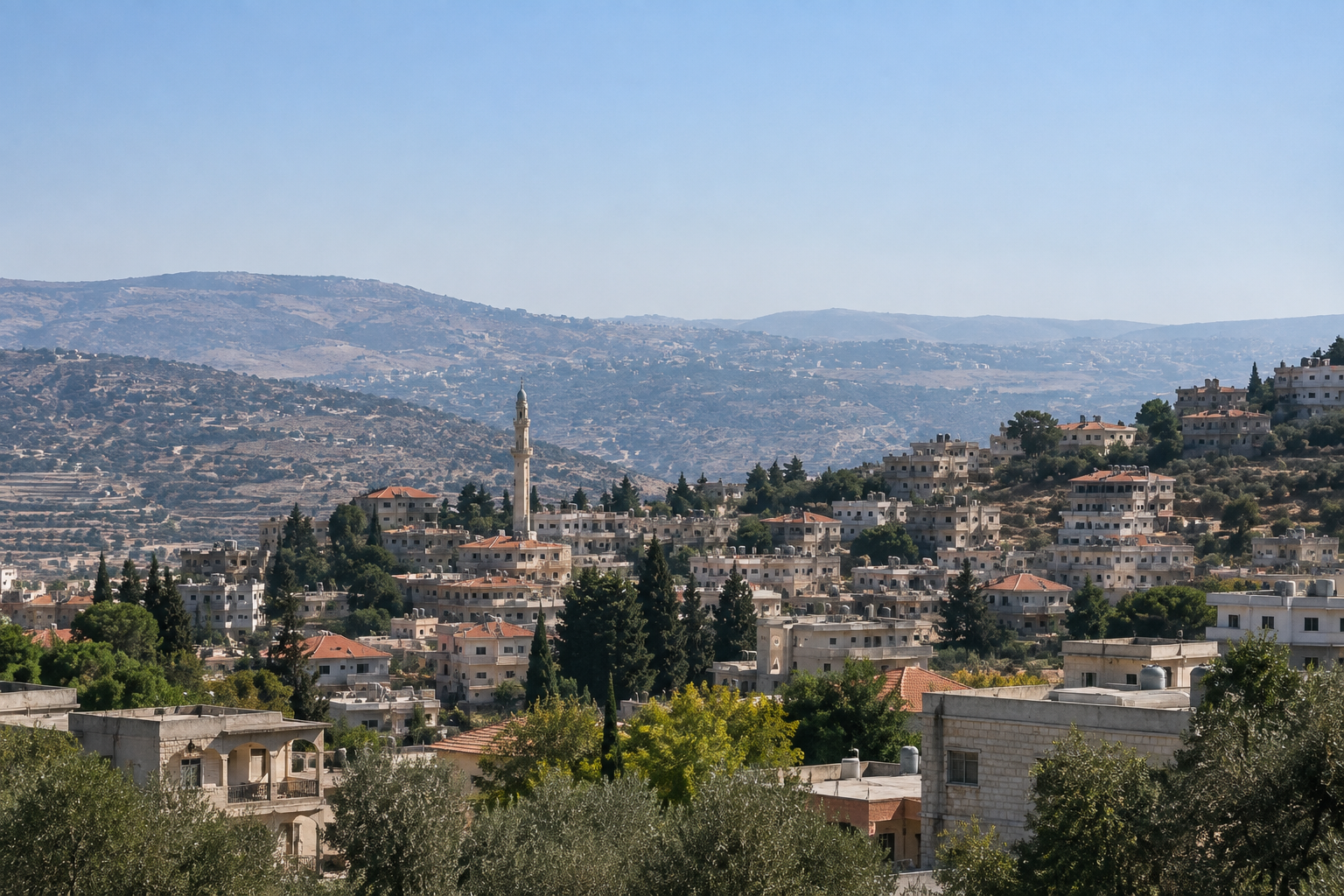
Israeli air strikes across southern Lebanon have killed at least four people and wounded 20 others, according to Lebanese authorities.
The attacks early Sunday hit several areas, including Nabatieh, Arab Salim, Nabatieh al-Fawqa and Kfar Reman, Lebanon’s official National News Agency reported.
Two women were killed and six people were wounded in Arab Salim after Israeli forces issued an evacuation order for a building in the town, according to NNA.
Lebanon’s Health Ministry separately said at least two people were killed in an Israeli strike on Nabatieh al-Fawqa.
Strikes hit several southern towns
An Israeli strike in Nabatieh city destroyed a historical building and damaged several nearby structures, according to Lebanese reports.
In Kfar Reman, another attack destroyed the home of the town’s late former mayor. Five people were treated at hospitals in Nabatieh before being discharged.
A further strike hit the Sayyida Masouma Garden, damaging what remained of the municipal park following an earlier attack.
Israel says strikes followed Hezbollah drone launches
Israel said the attacks came in response to Hezbollah launching two drones towards Israeli forces operating in southern Lebanon.
It described the launches as a violation by the Lebanese group.
Israeli forces remain inside what Israel describes as a security zone extending approximately 10km into Lebanese territory.
Lebanese authorities continue to report Israeli air strikes, artillery attacks and demolitions in southern towns and villages despite agreements aimed at reducing hostilities.
Israel considers troop repositioning
Israel is also considering reducing its military presence deeper inside Lebanese territory.
Israeli public broadcaster Kan, citing security sources, reported that the military was preparing a possible repositioning that would move troops three to four kilometres closer to the Israeli border.
The proposal has not received approval from Israel’s political leadership, according to the report.
Meanwhile, Qatar has continued diplomatic efforts aimed at reducing tensions.
Qatar’s Foreign Ministry said Prime Minister and Foreign Minister Sheikh Mohammed bin Abdulrahman Al Thani spoke with Lebanese Prime Minister Nawaf Salam on Saturday as Doha pushed for de-escalation.