
Kenya plans to stop exporting raw minerals as part of a major push to process more resources at home.
President William Ruto says the change will help Kenya create jobs and earn more from its natural resources.
The government wants minerals to be processed inside Kenya before they are sold abroad.
Kenya raw mineral exports face major change
Ruto said the government had decided to move away from exporting raw materials.
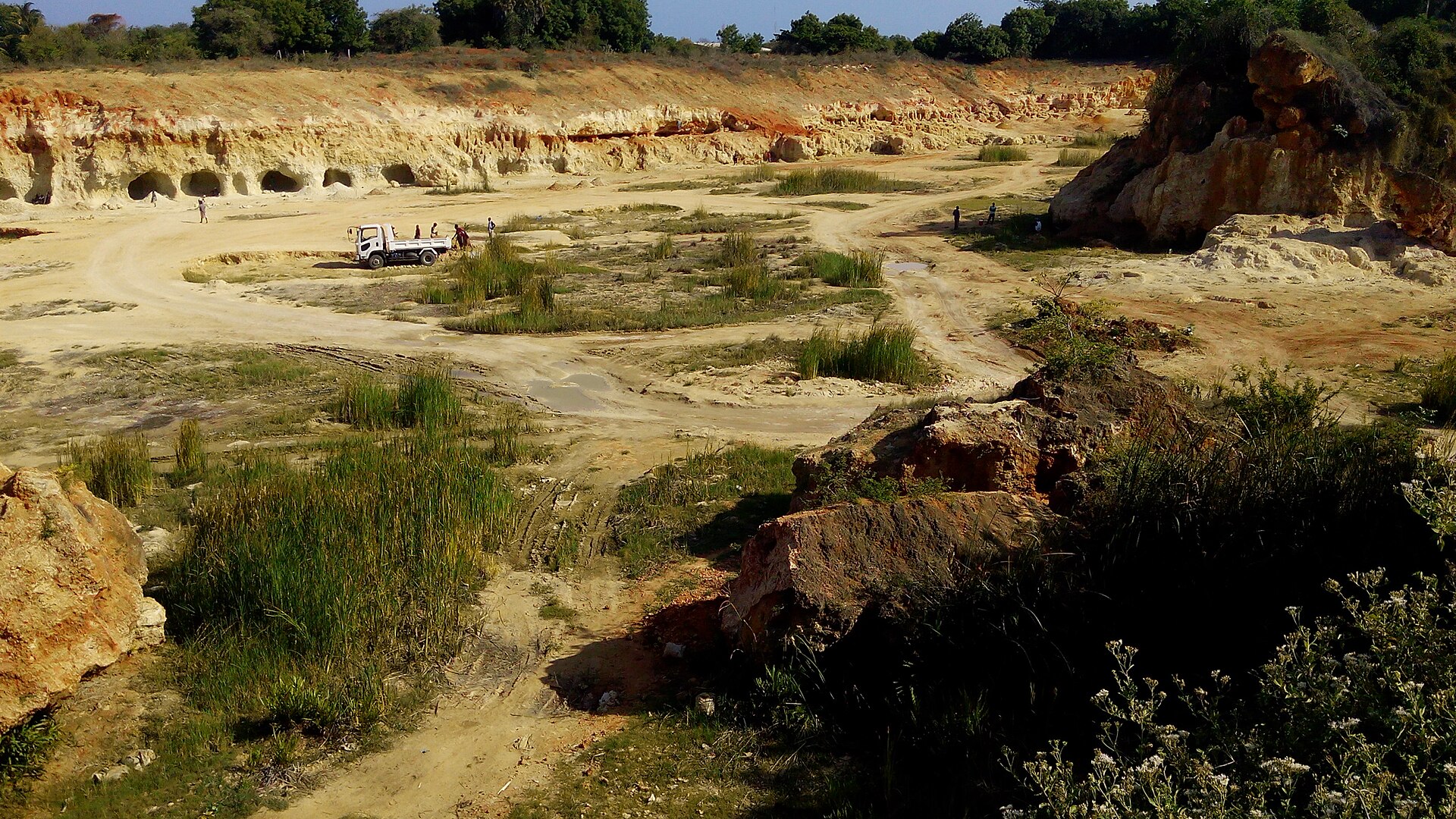
The plan covers several important resources. These include gold, limestone, iron ore, graphite, titanium and soda ash.
Instead of simply exporting these resources, Kenya wants companies to process them locally.
That could allow the country to sell higher-value products. It could also create more jobs for Kenyans.
Kenya joins Africa’s processing push
Kenya is not alone.
Several African countries are trying to keep more of the value from their natural resources at home.
Zimbabwe has restricted exports of raw minerals and lithium concentrates. Ghana has also introduced rules requiring some gold to be refined locally.
Meanwhile, Namibia restricts exports of some unprocessed critical minerals. Malawi and Mozambique have also introduced measures to encourage local processing.
The Democratic Republic of Congo has used export controls in its cobalt industry.
Ruto wants more processing plants
Kenya now wants investors to build more processing facilities inside the country.
Ruto pointed to plans involving Nigerian billionaire Aliko Dangote.
He said Kenya was working towards an oil refinery and petrochemical complex in Lamu. The government is also working with investors on gold refineries.
Ruto argues that exporting raw resources sends jobs and economic value abroad.
Instead, he wants more of that value to remain in Kenya.
Tata Chemicals dispute adds pressure
The policy comes as Ruto’s government remains in a dispute with Tata Chemicals.
The company has long operated soda ash mining activities at Lake Magadi.
Ruto says Kenya has received too little value from the operation. He has also criticised the level of local processing.
However, Tata Chemicals says it respects the government’s authority. The company has said it wants to resolve the dispute through regulatory talks.
Its mining operations were suspended on July 28 over compliance and licensing issues.
Kenya wants more value to stay at home
The government’s goal is straightforward.
Kenya has valuable natural resources. Instead of exporting them in raw form, it wants more processing to happen at home.
The government believes this could create jobs, support local industries and increase export earnings.
The move also places Kenya within a wider African push to keep more of the continent’s mineral wealth at home.