
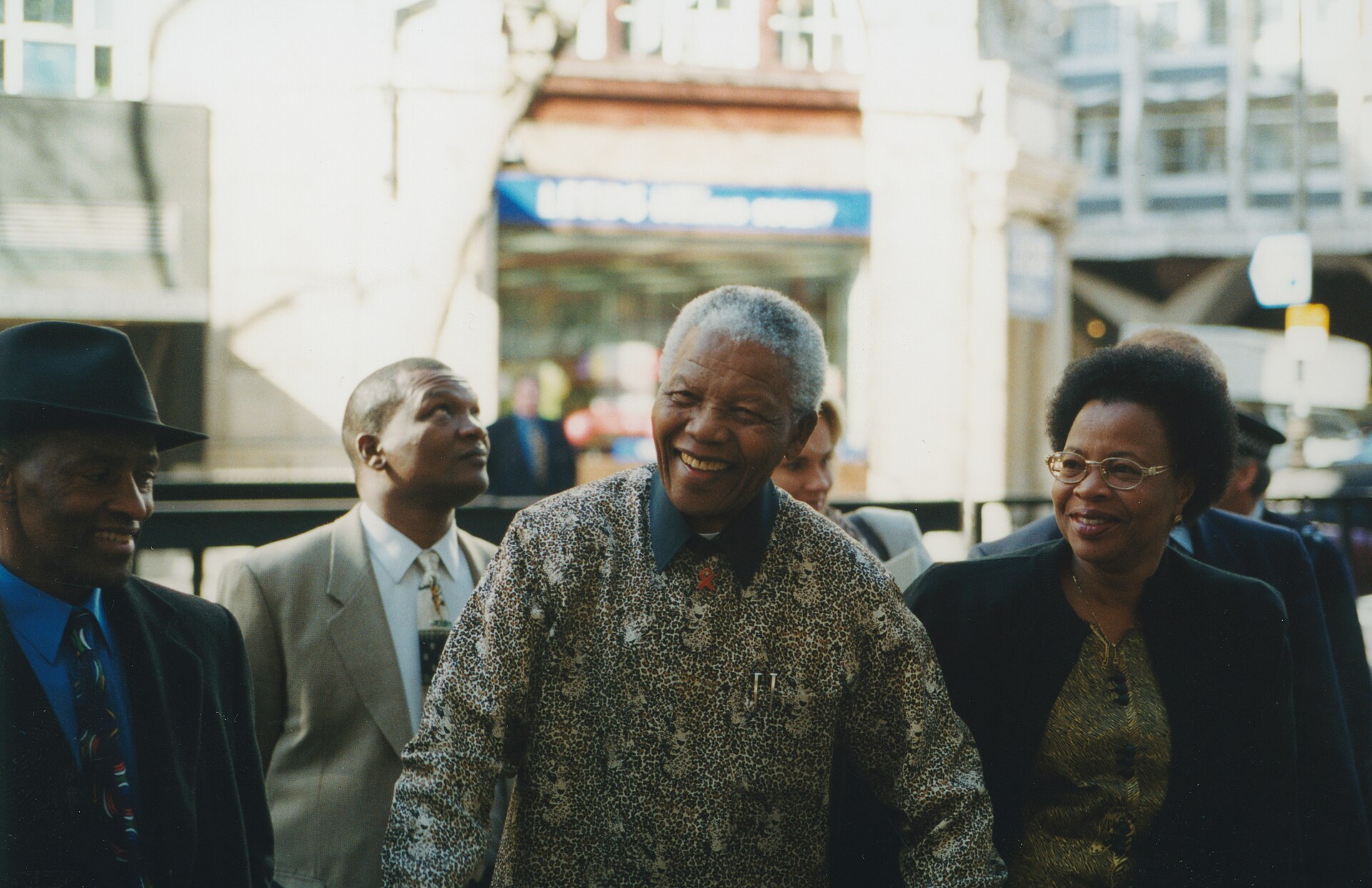
South Africa is trying to stop a Nelson Mandela auction in the United States.
The government has taken the case to the Constitutional Court. It wants to stop 29 items linked to Mandela from being sold.
The collection includes Mandela’s identity card and shirts. It also includes his writings and a key to his prison cell on Robben Island.
South Africa says these items are part of its national heritage.
Nelson Mandela auction faces court battle
The legal fight has lasted for about four years.
South Africa’s heritage agency, SAHRA, opposes the sale. The culture ministry also wants to stop it.
Both say the items are part of South Africa’s national heritage. In addition, they say the objects left the country without permission.
Now, the government wants the Constitutional Court to step in.
Mandela’s prison key is among the items
The collection includes 29 items linked to Mandela.
One of them is a key to his prison cell on Robben Island.
Mandela spent 18 of his 27 years in prison there.
His identity card is also included. So are some of his shirts and writings.
For South Africa, these objects have major historical value.
Auction was first announced in 2021
The auction was first announced in 2021.
New York auction house Guernsey’s planned the sale. However, SAHRA challenged it.
As a result, the auction was suspended.
South African courts later allowed the sale to go ahead. However, the government has now launched another legal challenge.
Why are Mandela’s items being sold?
Mandela’s eldest daughter, Makaziwe, approved the sale.
The aim was to raise money for a memorial garden near Mandela’s grave in Qunu.
However, the South African government wants the items protected.
Therefore, the dispute is now back before the courts.
Mandela remains a symbol of South Africa
Mandela spent 27 years in prison during the apartheid era.
Then, in 1994, he became South Africa’s first democratically elected president.
He died in 2013 at the age of 95.
Now, the latest court case will help decide what happens to the 29 items linked to his life.