
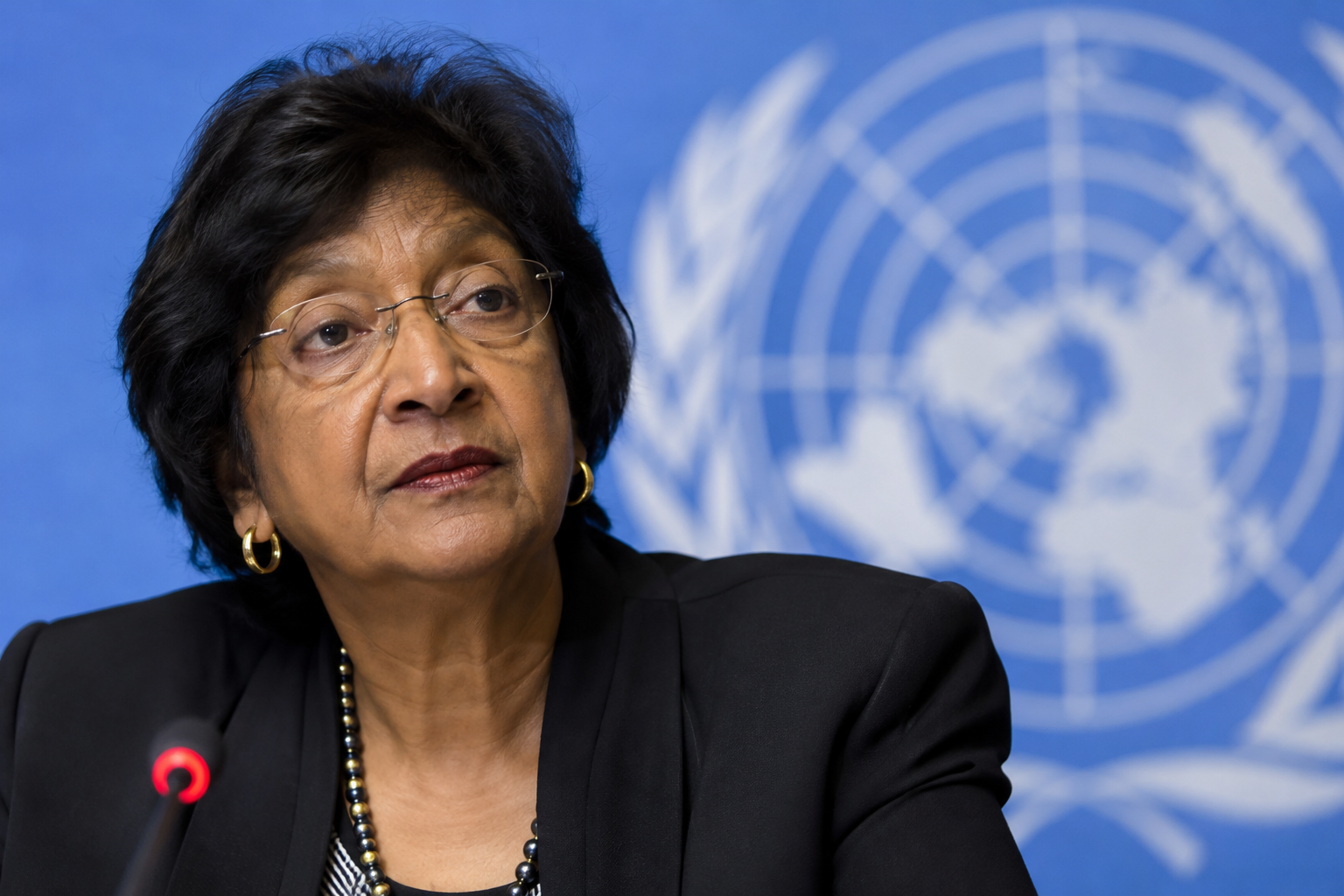
South African human rights lawyer Navanethem “Navi” Pillay has won the 2026 Nobel Peace Prize in recognition of her decades of work promoting international law, justice and human rights.
The Norwegian Nobel Committee announced the award on Friday, recognising the 85-year-old jurist for her contributions to peace and the development of international legal institutions.
Pillay, who challenged apartheid-era discrimination in South Africa, later held senior positions at the United Nations and international criminal courts.
Her career has included defending political prisoners, investigating human rights abuses and supporting accountability for violations of international law.
Why did Navi Pillay win the Nobel Peace Prize?
The Norwegian Nobel Committee recognised Pillay for her efforts to strengthen international law and promote peaceful societies.
Committee chair Jørgen Watne Frydnes praised her commitment to justice and human dignity.
He highlighted her role in advancing a more comprehensive international legal system and described her work as an inspiration to those pursuing peace.
The 2026 Nobel Peace Prize recognises a career spanning nearly six decades, from South Africa’s apartheid era to international human rights investigations.
According to Africanews, Pillay has played a significant role in defending fundamental rights and supporting international accountability mechanisms.
From apartheid lawyer to international judge
Born in Durban, South Africa, Pillay began her legal career during apartheid.
In 1967, she became the first woman to establish a law practice in the province of Natal.
She represented anti-apartheid activists and challenged the treatment of political prisoners.
Her legal work helped expose allegations of torture and strengthen prisoners’ rights, including those held on Robben Island.
Following the end of apartheid, Pillay entered the judiciary.
In 1995, she was appointed an acting judge of South Africa’s High Court and joined the International Criminal Tribunal for Rwanda.
She served on the tribunal for eight years, including four years as its president.
Her work contributed to international efforts to prosecute serious crimes committed during the 1994 Rwandan genocide.
Navi Pillay’s work at the United Nations
Pillay later became one of the most prominent figures in international human rights law.
She served as United Nations High Commissioner for Human Rights, advocating for the protection of fundamental freedoms and accountability for abuses.
She also chaired the UN Independent International Commission of Inquiry on the Occupied Palestinian Territory.
The commission has examined alleged violations of international humanitarian and human rights law connected to Israel and the Palestinian territories.
Her involvement placed her at the centre of debates about international justice and accountability.
Throughout her career, Pillay has emphasised the importance of applying international legal standards to states and individuals.
Nobel Peace Prize highlights South Africa’s legal legacy
Pillay’s recognition brings renewed attention to South Africa’s history of legal resistance against apartheid.
During white-minority rule, lawyers and civil rights advocates challenged discriminatory legislation and defended political activists.
Many later contributed to the development of South Africa’s post-apartheid institutions and international human rights law.
Pillay’s career reflects that transition, from challenging racial discrimination domestically to working within international courts and UN institutions.
The 2026 Nobel Peace Prize also highlights the role of legal accountability in efforts to prevent conflict and protect civilians.
For South Africa, the award recognises a jurist whose work has extended far beyond the country’s borders.