
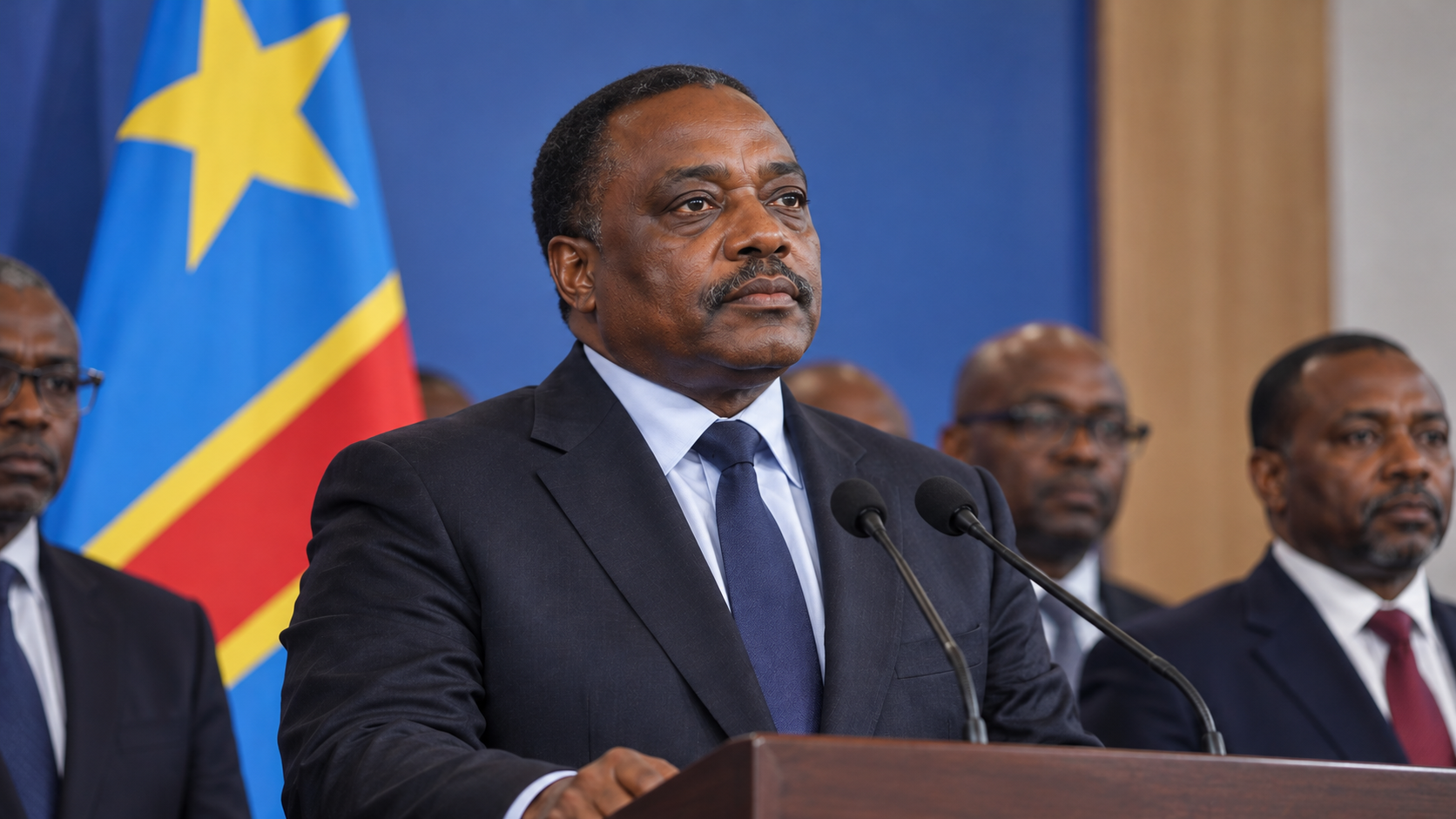
Former DR Congo president Joseph Kabila has been named leader of a new political-military coalition bringing together opposition figures and members of the AFC/M23 movement in eastern Democratic Republic of Congo.
The coalition, called the Front for the Refoundation of the Nation (FRN), was announced on Monday, October 12, in Goma.
Its formation marks a significant development in the country’s political landscape as opposition groups seek to coordinate their activities against President Félix Tshisekedi’s government.
The announcement comes amid continuing tensions and efforts to find a political solution to the conflict in eastern Congo.
Joseph Kabila named leader of new DRC coalition
The FRN brings together prominent figures previously associated with the AFC/M23 movement.
According to Africanews, the coalition has appointed Kabila as its leader, with several senior positions assigned to existing AFC/M23 figures.
Corneille Nangaa and Bertrand Bisimwa have been named vice-presidents.
Sultani Makenga will serve as chief of general staff, while Freddy Kaniki has been appointed secretary-general.
Benjamin Bonimpa will take the position of deputy secretary-general.
The coalition says its purpose is to bring different opposition groups under a coordinated political and organisational structure.
However, the extent of its support across the country remains unclear.
New coalition outlines its political objectives
Speaking at a press conference in Goma, coalition adviser Claude Ibalanky described the FRN as a platform intended to coordinate groups opposing the current government.
He said its members want to bring together their resources and develop a shared strategy for Sudan’s political future.
The coalition also indicated that it was prepared to use force in pursuit of its objectives.
These statements reflect the group’s declared position and do not establish broader public support for its agenda.
The government in Kinshasa had not publicly responded to the announcement at the time of the initial report.
UN previously reported possible AFC/M23 restructuring
The formation of the FRN follows earlier indications that the AFC/M23 movement could undergo significant organisational changes.
A June report by the United Nations Group of Experts had identified the possibility of a restructuring involving a new name and a prominent leadership role for Kabila.
The latest announcement appears consistent with that earlier assessment.
However, questions remain about how the new coalition will operate and whether it will change the political or security situation in eastern Congo.
The AFC/M23 movement has been involved in a prolonged confrontation with Congolese government forces.
The conflict has affected communities across eastern DRC and contributed to widespread displacement and humanitarian needs.
Kabila’s political and legal challenges
Kabila previously served as president of the Democratic Republic of Congo before leaving office in 2019.
His return to a prominent opposition leadership position comes amid ongoing legal and political disputes.
In 2025, a Congolese court sentenced him to death in absentia on charges that included treason and war crimes.
Kabila rejected the allegations and described the proceedings as politically motivated.
He had also previously denied links to the M23 movement and Rwanda.
The court ruling and Kabila’s response remain important elements of the political dispute surrounding his role.
His new position within the FRN could further complicate relations between the opposition coalition and the government.
Coalition signals willingness to negotiate
During the announcement, FRN member Moïse Nyarugabo addressed the possibility of negotiations with the government.
He said the coalition was prepared for peace but also warned that confrontation remained an option.
The statement highlights the competing possibilities facing the country as political and armed groups consider their next steps.
Whether the new coalition will pursue meaningful negotiations remains uncertain.
For civilians in eastern Congo, any developments that reduce violence and improve access to humanitarian assistance would be particularly significant.
What the new coalition means for DR Congo
The establishment of the FRN introduces a new political structure into an already complex national crisis.
By placing Kabila in a leading position, the coalition brings a former head of state into a movement that includes senior AFC/M23 figures.
Its announcement may influence future political negotiations and relationships among opposition groups.
However, the coalition’s long-term direction and impact have yet to become clear.
The Congolese government’s response will also be important in determining how the situation develops.
Meanwhile, the wider conflict continues to place pressure on communities, public institutions and humanitarian services.
A lasting resolution will require addressing political disagreements alongside the security and humanitarian challenges affecting the country.