
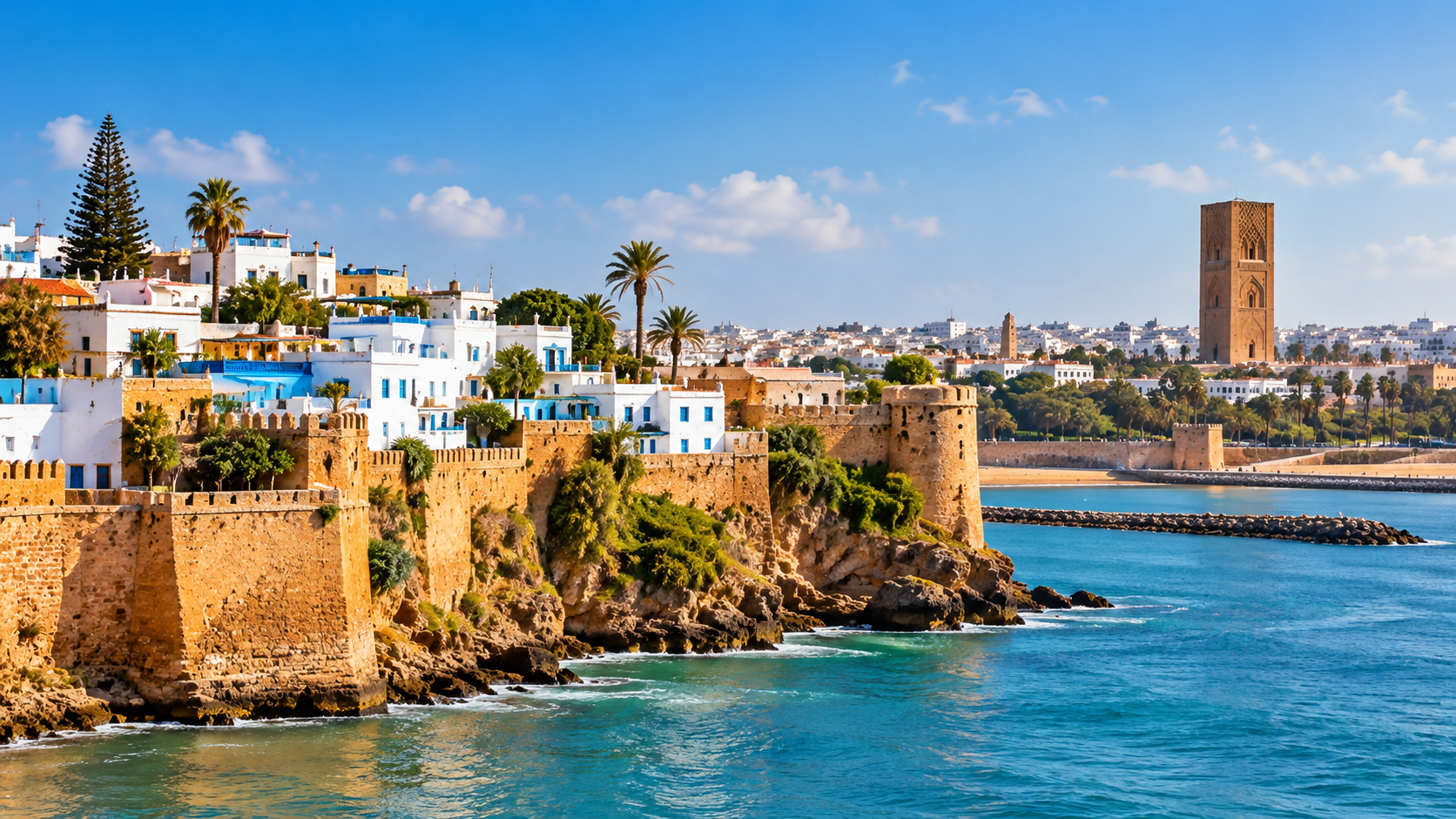
Morocco’s capital, Rabat, has been named among the world’s best places to visit in 2027, earning international recognition for its historic landmarks, coastal scenery and modern urban attractions.
The North African city features in travel publisher Lonely Planet’s Best in Travel 2027 selection, alongside destinations in Canada and the United States.
The recognition highlights Rabat’s combination of centuries-old heritage, contemporary architecture and a relatively relaxed atmosphere.
It also comes as Morocco continues to strengthen its position as one of Africa’s leading tourism destinations.
Why Rabat is attracting international attention
Unlike some of Morocco’s busier tourism centres, Rabat offers visitors a different experience.
The capital combines historic neighbourhoods with wide avenues, landscaped gardens and modern public transport.
Its location along the Atlantic Ocean also provides opportunities to explore beaches, coastal viewpoints and waterfront areas.
According to Business Insider Africa, Lonely Planet’s recognition reflects Rabat’s distinctive combination of cultural attractions and contemporary city life.
The city has increasingly attracted attention from travellers looking to explore Morocco beyond its more established tourist destinations.
A UNESCO World Heritage city
One of Rabat’s greatest attractions is its remarkable architectural heritage.
The city is home to a UNESCO World Heritage site officially recognised for its combination of historic and modern urban development.
Its architecture reflects different periods of Moroccan history, including Islamic-era landmarks and urban planning from the twentieth century.
Among the capital’s best-known attractions is the Kasbah of the Udayas.
The historic fortified neighbourhood overlooks the Atlantic Ocean and the Bou Regreg River.
Its narrow streets, traditional buildings and scenic viewpoints make it one of Rabat’s most recognisable locations.
Visitors can also explore Hassan Tower, an unfinished minaret associated with a major mosque project begun in the twelfth century.
Nearby stands the Mausoleum of Mohammed V, an important landmark in Morocco’s modern history.
Ancient ruins and cultural attractions
Rabat also offers visitors opportunities to explore Morocco’s ancient past.
Chellah, one of the city’s most significant archaeological sites, contains remains associated with Roman and later Islamic-era settlements.
The historic complex provides insight into the different civilisations that shaped the region.
Beyond its archaeological attractions, Rabat has museums, art galleries and cultural institutions showcasing Moroccan heritage and contemporary creativity.
Traditional craftsmanship, local markets and neighbourhood architecture also contribute to the city’s cultural identity.
These attractions make Rabat appealing to visitors interested in history, architecture and everyday Moroccan life.
Morocco’s tourism industry continues to grow
Rabat’s international recognition comes during a period of strong tourism growth in Morocco.
According to figures cited by Business Insider Africa, the country welcomed nearly 20 million visitors in 2025.
The report also states that Morocco recorded more than 4.3 million international visitors during the first quarter of 2026.
The figures highlight the country’s growing importance in African and international tourism.
Morocco has invested in tourism infrastructure, transport connections and the development of destinations across the country.
While cities such as Marrakech and Fez remain popular, Rabat offers another option for travellers seeking cultural experiences and coastal attractions.
When is the best time to visit Rabat?
Rabat’s Atlantic coastal location gives it relatively moderate temperatures compared with some inland Moroccan cities.
Summer temperatures are generally less extreme than those experienced in hotter parts of the country.
July and August are among the warmest months, with average daytime highs around 28°C, according to the report.
During summer, beaches and outdoor attractions can become busier.
However, spring and autumn are often comfortable periods for exploring the city.
Travellers may find conditions particularly pleasant between March and June or from September to November.
These periods can be suitable for walking through historic neighbourhoods, visiting cultural sites and enjoying the coastline.
Rabat offers a different side of Morocco
Lonely Planet’s selection places Rabat among destinations attracting international interest for 2027.
The recognition also highlights the diversity of travel experiences available across Africa.
From its historic kasbah and archaeological sites to modern transport and Atlantic beaches, Rabat brings together different aspects of Moroccan life.
For visitors looking beyond the country’s most familiar tourism hotspots, the capital offers a combination of history, culture and coastal scenery.
Its inclusion in the travel guide’s 2027 selection could introduce the city to an even wider international audience.