
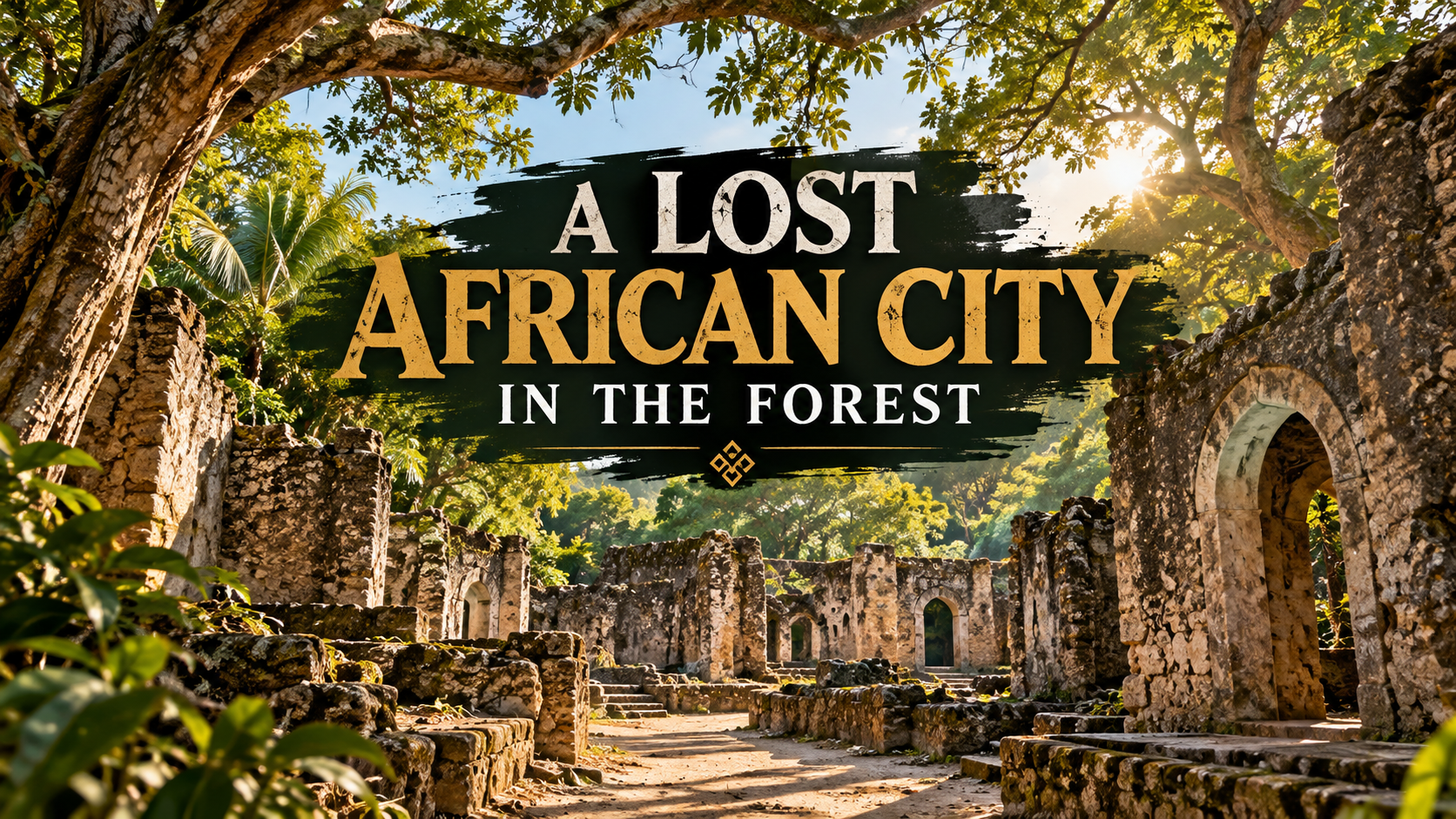
The ancient city of Gedi in Kenya is one of Africa’s fascinating historical sites. Hidden among coastal trees, its ruins reveal the story of a thriving town.
Gedi was once home to traders, families and skilled builders. Today, visitors can explore its old stone houses, mosques and streets.
The town also played a role in trade across the Indian Ocean.
However, its residents eventually left. Over time, trees grew around the abandoned buildings.
Where is the ancient city of Gedi?
Gedi lies near Watamu and Malindi on Kenya’s coast.
The town developed around the 13th century. It later became part of the wider Swahili trading network.
During this period, merchants travelled between East Africa, Arabia and Asia.
As a result, Gedi became connected to distant markets and cultures.
The town continued to grow over several centuries.
However, by the 17th century, most residents had left.
Gedi was home to mosques and stone houses
Gedi had many impressive buildings.
These included mosques, houses, tombs and a palace.
Builders used coral stone to construct many of these structures.
In addition, the town had wells that provided water for residents.
The mosques also show the important role of Islam in the community.
Today, many of these buildings remain visible among the trees.
Gedi traded with distant countries
Gedi was part of a busy trading network.
Archaeologists have found objects that came from distant parts of the world.
For example, they discovered Chinese porcelain and other imported pottery.
These findings show that Gedi had links with merchants across the Indian Ocean.
Moreover, the discoveries highlight the role of African towns in global trade.
Gedi was not an isolated settlement. Instead, it belonged to a wider network of coastal communities.
Why did people leave Gedi?
By the 17th century, Gedi had largely been abandoned.
However, historians are still studying why its residents left.
Some researchers point to changes in trade routes.
Others have examined political problems and possible water shortages.
Environmental changes may also have played a role.
Nevertheless, there is no single confirmed explanation.
Therefore, it would be misleading to claim that Gedi suddenly disappeared.
How did the forest surround Gedi?
After people left the town, plants and trees spread across the area.
Over time, the forest grew around the old buildings.
Today, visitors can walk through the ruins beneath tall trees.
However, nearby communities never completely forgot Gedi.
Local people continued to know about the site long before modern archaeological studies.
UNESCO recognises Gedi’s history
In 2024, UNESCO added Gedi to its World Heritage List.
The decision recognised the town’s importance to African history.
It also highlighted Gedi’s links to Indian Ocean trade.
Today, the site helps visitors learn about life along the Swahili Coast.
Its buildings also offer a glimpse into the skills of medieval African builders.
Why Gedi matters today
Gedi tells an important story about Africa’s past.
Its ruins show how African communities built towns, developed trade and maintained cultural connections.
The ancient mosques also reflect the region’s Islamic history.
Although many questions remain about the town’s decline, its surviving buildings continue to reveal its past.
Today, Gedi remains one of Kenya’s remarkable historical treasures.