
Spain has deported 16 migrants, including nationals from Nigeria, Senegal and Cameroon, to Morocco after rejecting their asylum applications.
The returns mark the first deportations of this kind since thousands of migrants crossed into the Spanish enclave of Ceuta in July.
The decision has drawn criticism from human rights organisations, which have raised concerns about the treatment of asylum seekers.
Spain says Morocco agreed to receive the migrants.
However, rights groups have questioned whether the returns adequately considered the risks faced by those involved.
Spain returns 16 migrants to Morocco
The Spanish Interior Ministry confirmed that a group of migrants had been returned to Morocco.
Officials said Moroccan authorities agreed to accept them and that they remained in the country.
However, the ministry did not disclose the number of people involved or their nationalities.
According to Reuters, migrant support organisations identified 16 individuals from Nigeria, Senegal, Cameroon, Yemen and Bangladesh.
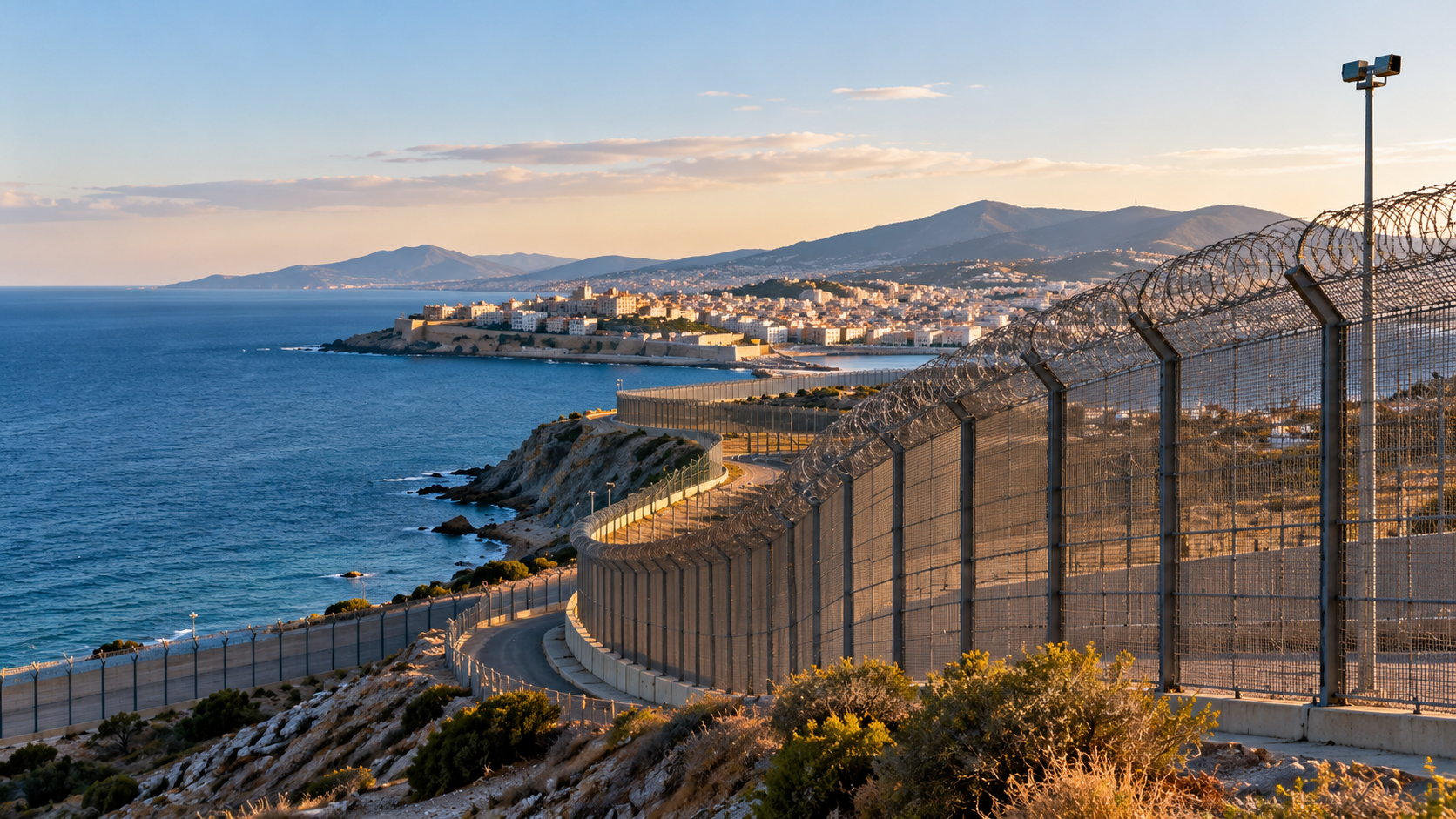
The group had been staying in Ceuta, a Spanish territory on Africa’s northern coast.
Their asylum applications had been rejected before the deportations took place.
The returns represent a significant development following the large number of border crossings recorded in July.
Human rights groups question deportations
Human rights organisations have criticised Spain’s handling of the returns.
They argue that authorities may not have adequately assessed the risks migrants could face after being sent to Morocco.
Amnesty International has also raised concerns about the treatment of asylum seekers.
Virginia Alvarez, a researcher with the organisation, criticised Spain’s approach in comments reported by Reuters.
Rights groups say migrants must have access to fair procedures before deportation decisions are enforced.
They also stress that individual circumstances should be considered when assessing possible risks.
The organisations have called for greater transparency in Spain’s immigration procedures.
Concerns grow over voluntary returns
Several charities and legal organisations have raised additional concerns about migrants recorded as having returned voluntarily.
According to Reuters, some groups have complained to Spain’s ombudsman.
They allege that certain migrants may have been pressured to leave despite their departures being classified as voluntary.
The complaints include cases involving people from countries outside Morocco.
However, the allegations have not been independently established.
Spain’s government maintains that the returns took place after Morocco agreed to receive the migrants.
The dispute has renewed questions about how authorities distinguish voluntary departures from enforced removals.
Ceuta faces pressure after July border crossings
The deportations come months after a major increase in migrant arrivals in Ceuta.
Thousands of people crossed into the Spanish enclave from Morocco in July.
The situation placed additional pressure on reception facilities and asylum procedures.
Prime Minister Pedro Sánchez’s government has since faced growing demands to manage the situation.
Authorities are also dealing with a backlog of asylum applications.
Ceuta remains an important entry point for migrants seeking to reach European territory from Africa.
Its location on Morocco’s northern coast makes it a focal point for migration between the two continents.
Spain’s migration policy faces renewed scrutiny
The latest deportations have intensified debate over Spain’s approach to immigration.
The government says it is managing rejected asylum applications through cooperation with Morocco.
Human rights organisations argue that immigration enforcement must respect legal protections and individual rights.
They are particularly concerned about the safety of migrants returned to countries where they may face further difficulties.
The disagreement highlights the challenges facing European governments as they attempt to manage migration while meeting human rights obligations.
For now, Spain’s latest returns have raised fresh questions about the treatment of African migrants and the future of asylum procedures in Ceuta.