
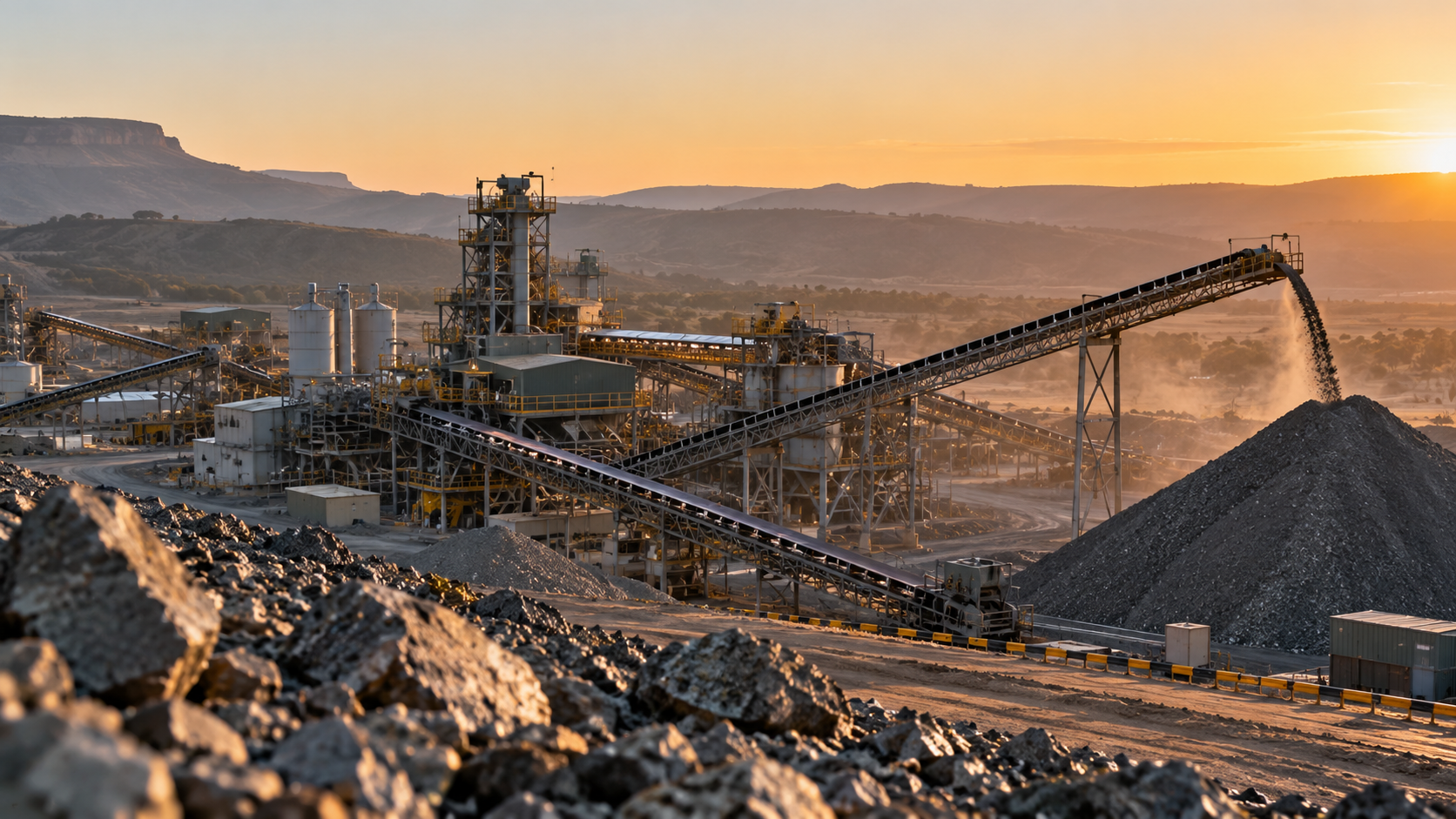
Zimbabwe’s platinum industry is generating billions of dollars, but communities living near some of the country’s richest mines say they are still struggling with poor roads, limited access to schools and unsafe water.
Despite rising mineral revenues, residents argue that the economic benefits of mining have not translated into significant improvements in their daily lives.
The concerns come as Zimbabwe benefits from higher platinum prices and growing demand for precious metals.
Zimbabwe’s platinum industry generates billions
Zimbabwe holds the world’s second-largest known deposits of platinum group metals after South Africa.
Most of these resources are concentrated along the Great Dyke, a mineral-rich geological formation stretching across central Zimbabwe.
Platinum prices reached a record $2,923 per ounce on January 26, according to figures cited by the World Platinum Investment Council.
The price surge has strengthened the outlook for Zimbabwe’s mining industry.
According to the US International Trade Administration, mining accounts for approximately 75% of Zimbabwe’s exports and 14.5% of its gross domestic product.
The sector generated a record $8.5 billion in export earnings in 2025, compared with $5.9 billion in 2024.
However, the figures cover the wider mining industry, including gold and platinum group metals.
Mining communities struggle despite rising revenues
In Mhondoro-Ngezi, one of Zimbabwe’s major platinum-producing districts, residents say development has failed to keep pace with mining activity.
The area is home to operations run by Zimplats, one of the country’s leading platinum producers.
According to reporting by Al Jazeera, communities surrounding the mines continue to face difficulties accessing basic infrastructure.
Residents of Turf, Mamina and Murambwa have called for improved roads connecting their villages to major highways.
Local community leader Ernest Denhere said mining companies should make investments that leave a lasting benefit for residents.
Meanwhile, some children must travel considerable distances to attend school.
Ward 3 Councillor Emmah Chikwai said pupils from several villages walk between 15 and 25 kilometres to reach Musinambi Secondary School.
She called for the establishment of another secondary school closer to the affected communities.
Water shortages and pollution concerns
Access to clean water is another major concern for communities near Zimbabwe’s platinum mines.
Residents living around the Ngwazani River have alleged that sewage from the mining area has contaminated the waterway.
The allegations have not been independently established in the supplied reporting.
Some families previously relied on the river for washing clothes, watering gardens and other household activities.
However, residents say water quality has deteriorated.
Flooding also makes it difficult for children to cross the river on their way to school.
Community members have called for a footbridge to improve access and safety.
Elsewhere, residents say rapid population growth around mining operations has increased pressure on schools, housing and public services.
Poverty persists alongside mining wealth
Despite the industry’s economic importance, some residents continue to depend on informal activities to survive.
In Turf, people collect discarded plastic materials from waste sites and sell them for small amounts of money.
One resident, Sakina Lice, told Al Jazeera that collecting plastic is her family’s main source of income.
She said the activity sometimes earns her approximately $20 a month.
Lice called for mining companies to support projects that could help women establish sustainable livelihoods.
Her experience reflects concerns about whether Zimbabwe’s mineral wealth is creating sufficient economic opportunities for surrounding communities.
Mining companies highlight community investments
Mining companies have also pointed to investments in local development.
Unki Platinum Mine, located in Shurugwi, told Al Jazeera that it had spent an average of $1.5 million annually on community development over the previous five years.
The company said its projects covered education, healthcare, agriculture, infrastructure and water services.
Unki reported constructing 63 boreholes and supporting 32 schools through its education programme.
It also said it contributed $2.75 million towards land purchases and development of the Impali housing estate.
Additionally, the company reported making annual payments to local authorities.
However, residents in Shurugwi have continued to request further improvements to schools, roads and sanitation.
In Zvishavane, community representatives have similarly urged Mimosa Platinum Mine to invest more in infrastructure benefiting the wider population.
Mimosa did not respond to Al Jazeera’s requests for comment.
Zimplats and the Mhondoro-Ngezi Rural District Council also did not provide substantive responses before the original report was published.
Can Zimbabwe turn mineral wealth into development?
Zimbabwe’s platinum resources offer significant opportunities for economic growth.
Higher global prices could increase export earnings and strengthen government revenues.
However, the experiences of communities near major mining operations highlight the challenges of translating mineral wealth into broader development.
Residents want better roads, reliable water supplies, accessible schools and employment opportunities.
They are also calling for stronger cooperation between mining companies, local authorities and surrounding communities.
As Zimbabwe’s mining industry expands, the question remains whether its growing revenues will deliver lasting improvements for the people living closest to the country’s mineral resources.