
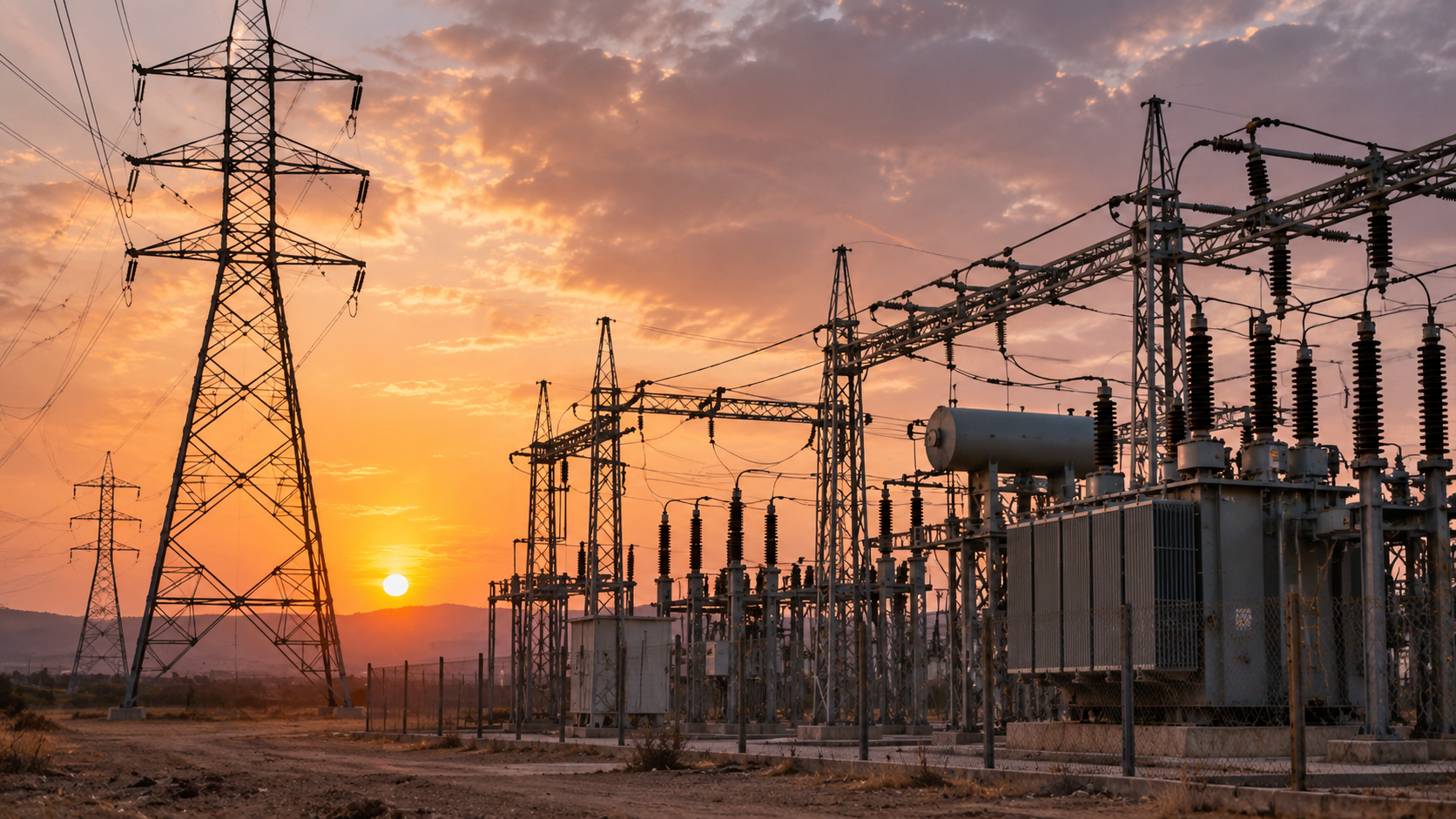
Drone strikes on Sudan’s power grid have reportedly damaged three electricity substations, causing widespread blackouts and raising concerns about essential services.
The latest attacks took place on Monday, November 2, 2026, in Kassala and Northern states.
Local sources reported explosions and fires at electricity facilities in eastern Sudan. Another strike reportedly damaged a substation near Merowe in the north.
The incidents come amid growing concerns about the impact of Sudan’s continuing conflict on civilian infrastructure.
Hospitals, water systems and other essential services depend on reliable electricity supplies.
Drone strikes affect three electricity substations
The reported attacks targeted the Aroma and New Halfa substations in Kassala State.
A third strike hit the Al-Ghazali electricity substation near Merowe in Northern State.
Witnesses reported explosions and fires at the two facilities in Kassala early Monday.
The damage reportedly disrupted electricity supplies across large parts of the state.
Meanwhile, the Al-Ghazali facility lies approximately 20 kilometres east of Merowe.
It is also located near the Merowe Dam, one of Sudan’s major hydroelectric facilities.
However, the full extent of the damage remains unclear.
Authorities have not provided a comprehensive assessment of the repairs needed or the expected restoration of electricity.
Sudan’s electricity crisis threatens essential services
The repeated attacks have increased pressure on Sudan’s already weakened electricity network.
Power outages can affect daily life in several ways.
Hospitals need electricity to operate medical equipment, maintain essential services and preserve temperature-sensitive medicines.
Water pumping stations also depend on power to supply communities with clean water.
Therefore, prolonged electricity disruptions can create additional public health risks.
Families and businesses may also struggle with limited access to lighting, refrigeration and communications.
These challenges are particularly serious in communities already affected by displacement and economic hardship.
Sudan’s prolonged conflict has damaged infrastructure and disrupted essential public services across the country.
Further damage to the electricity network could make recovery more difficult.
More than a dozen substations reportedly damaged
The latest incidents follow reports of attacks on electricity facilities in several parts of Sudan.
More than a dozen substations have reportedly been affected in recent days.
The reported locations include Khartoum, Al Jazirah, Gedaref, Red Sea, Sennar and White Nile states.
Facilities in South Kordofan, River Nile, Northern and Kassala states have also reportedly suffered damage.
However, the full extent of the reported destruction has not been independently verified.
The Aroma substation is especially important to electricity distribution in eastern Sudan.
It receives high-voltage electricity and helps supply surrounding communities.
Consequently, a prolonged shutdown could affect electricity availability across a wider area.
Repairing damaged substations may also require specialised equipment and technical personnel.
Responsibility for the attacks remains unconfirmed
The reported incidents have raised questions about the security of Sudan’s electricity infrastructure.
However, responsibility for the latest strikes has not been independently established.
The circumstances surrounding the attacks remain unclear, and further investigation would be needed to identify those responsible.
Meanwhile, the immediate concern for affected communities is restoring electricity and preventing further disruption to essential services.
Why protecting electricity infrastructure matters
Electricity facilities are essential to the functioning of civilian communities.
Damage to power stations and substations can affect people far beyond the immediate location of an attack.
For example, a damaged transformer may disrupt electricity supplies to hospitals, homes and water facilities across several communities.
International humanitarian law provides protections for civilian infrastructure during armed conflict.
Civilian objects must not be deliberately targeted unless they qualify as military objectives under the applicable rules.
Even when an infrastructure facility is a lawful military objective, attacks must comply with the principles of distinction, proportionality and precautions.
The military use of a particular facility, if any, must be assessed before determining whether an attack was lawful.
Therefore, the reported strikes raise serious questions about civilian protection.
However, establishing responsibility and determining whether violations occurred would require further investigation.
Sudan’s humanitarian situation adds to concerns
Sudan’s electricity crisis comes amid a wider humanitarian emergency.
Years of conflict have displaced millions of people and placed enormous pressure on healthcare, food supplies and basic services.
Many communities already face difficulties accessing reliable medical treatment and clean water.
Electricity disruptions can worsen these conditions.
Healthcare facilities may struggle to maintain essential operations, while water shortages can increase the risk of disease.
In addition, damaged infrastructure can delay the restoration of services in areas where displaced families hope to return.
Humanitarian organisations and local service providers therefore face growing challenges.
Restoring reliable electricity will be important for protecting civilians and supporting recovery.
What happens next for Sudan’s electricity network?
The latest drone strikes highlight the vulnerability of Sudan’s remaining power infrastructure.
Technical teams will need to assess damage and determine which facilities can be repaired.
However, continuing insecurity may complicate restoration efforts.
Further attacks could also place additional pressure on the national electricity network.
For civilians, the immediate concern is the availability of electricity for homes, hospitals and water supplies.
Meanwhile, responsibility for the latest attacks remains unconfirmed.
Protecting essential infrastructure and allowing repairs to proceed safely will be important steps towards reducing the humanitarian consequences of Sudan’s conflict.