
Tigray rebels say they inflicted heavy casualties on Ethiopian government forces during renewed fighting in northern Ethiopia, as tensions continue to rise across the region.
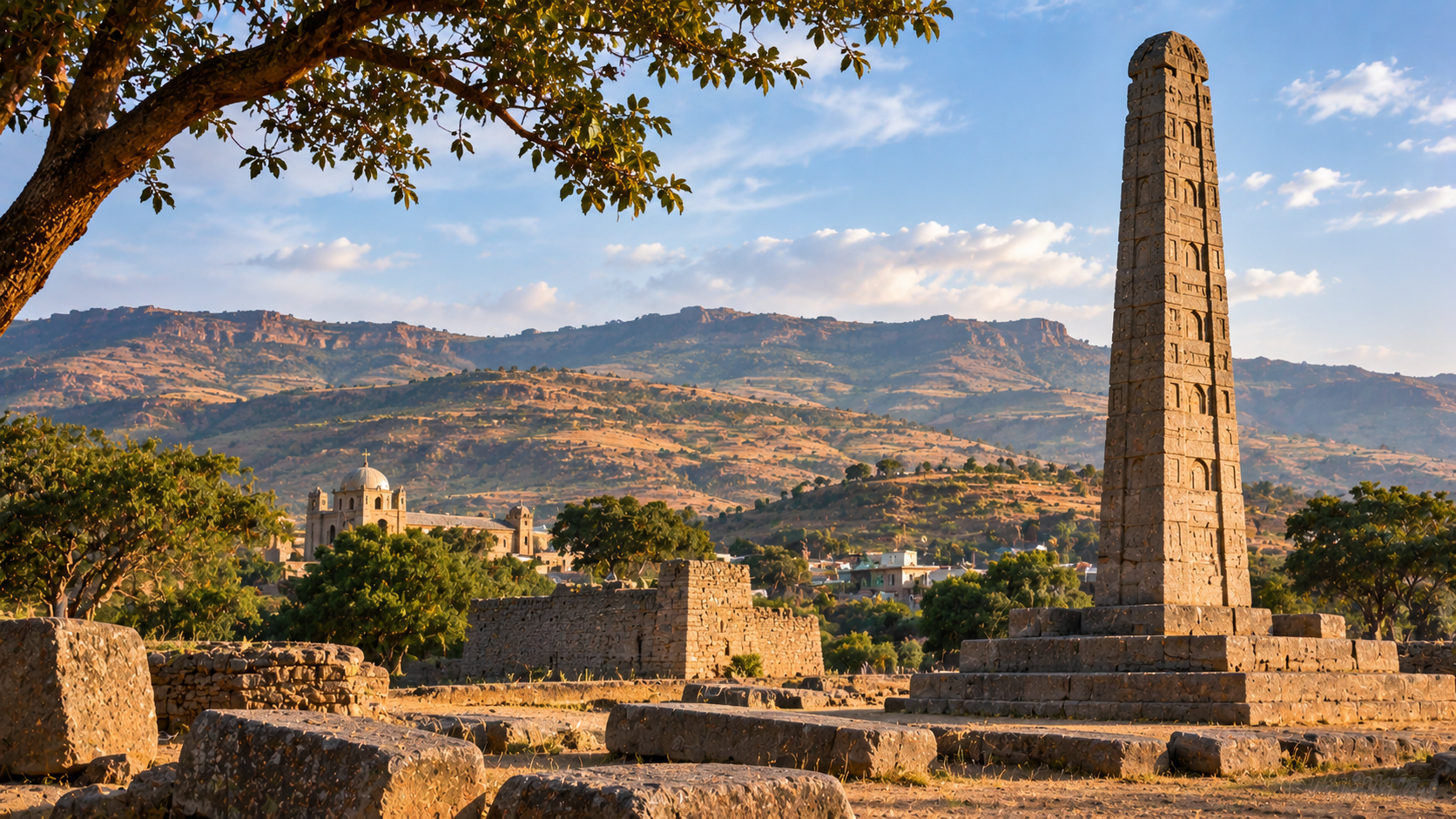
The Tigray People’s Liberation Front (TPLF) claimed on Monday that its fighters killed 500 government soldiers and wounded another 800 during clashes near the historic town of Aksum.
The group also claimed that two military regiment commanders were among those killed.
However, the casualty figures have not been independently verified, and Ethiopia’s government has not publicly responded to the claims.
Tigray rebels report counteroffensive
According to Dimtsi Weyane, a television station affiliated with the TPLF, the reported casualties occurred during a counteroffensive on Saturday near Aksum.
The group claimed its fighters had captured territory and seized military supplies during the confrontation.
These reportedly included weapons, ammunition, food supplies and medical equipment.
However, independent confirmation of the territorial gains and seized equipment was not available.
The TPLF also accused federal forces of using artillery and drones during the fighting.
It further reported disruptions to telephone and internet services in the affected area.
The circumstances surrounding those disruptions remain unclear.
Fighting intensifies in Tigray
The latest claims follow several weeks of renewed hostilities between Ethiopian government forces and TPLF fighters.
According to reports, government troops captured several towns in northern Ethiopia, including the regional capital, Mekelle, in early October.
Despite those reported advances, TPLF fighters have continued launching counterattacks.
The renewed clashes have raised concerns about the security situation in Tigray, a region that has experienced years of conflict and instability.
However, the current battlefield situation remains difficult to assess because competing military claims cannot always be independently verified.
Regional tensions increase
The fighting has also contributed to growing tensions between Ethiopia and neighbouring Eritrea.
Ethiopian authorities have accused Eritrea of supporting armed groups operating in northern Ethiopia.
However, Eritrea has rejected those allegations.
The competing accusations have raised concerns about the possibility of wider regional instability.
For now, the extent of any external involvement in the latest fighting remains unconfirmed.
Civilians face renewed uncertainty
The escalation comes amid concerns about the potential humanitarian consequences of continued fighting.
Disruptions to communications, transport routes and essential services could make daily life increasingly difficult for communities in affected areas.
Continued hostilities may also complicate humanitarian access and efforts to support vulnerable populations.
The reported interruption of telephone and internet services has added to uncertainty about conditions on the ground.
Independent information about civilian casualties and displacement resulting from the latest clashes was not available in the initial reports.
Calls for stability remain urgent
The latest developments highlight the fragile security situation in northern Ethiopia.
While the TPLF has claimed significant military gains, its casualty figures and battlefield accounts remain unverified.
Ethiopian authorities have not confirmed the reported losses.
As fighting continues, the immediate priority for affected communities remains civilian protection, access to essential services and efforts to prevent further escalation.
The situation in Tigray remains uncertain, with the full scale of the latest clashes yet to be independently established.