
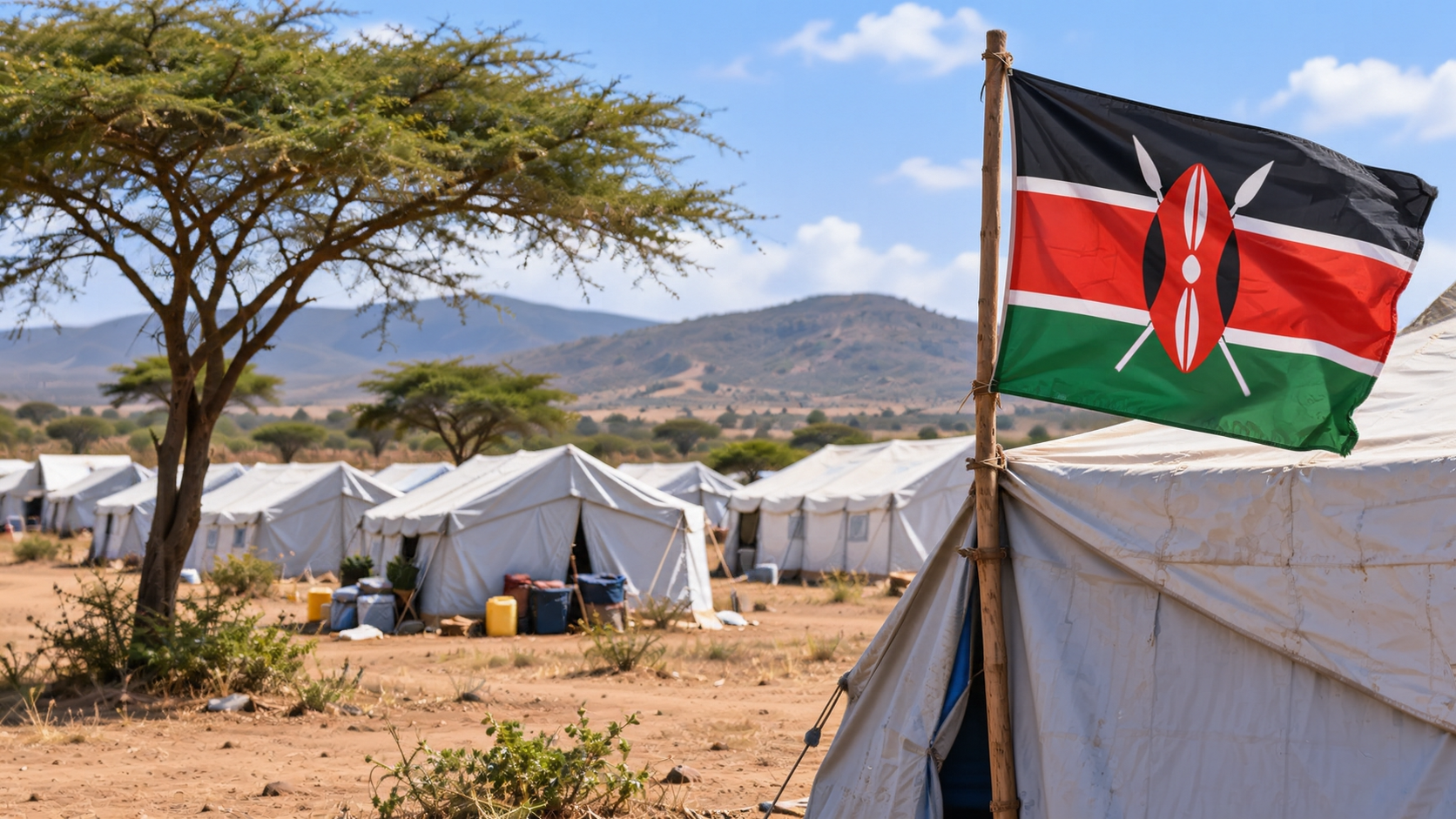
More than 50,000 people have reportedly been displaced by deadly clashes near Ethiopia’s border with Kenya. Thousands of families have crossed into northern Kenya, where food and shelter are becoming scarce.
The fighting has affected communities around Moyale, a town divided by the Kenya-Ethiopia border.
According to Al Jazeera, humanitarian agencies are struggling to support the growing number of displaced families.
Ethiopia clashes force thousands to flee
The violence began escalating around October 18 in Ethiopia’s Moyale area.
The clashes stem from a long-running dispute between Ethiopia’s Oromia and Somali regional administrations. Both sides have competing claims over land and local authority.
Tensions increased following a dispute over the Somali regional flag in the contested area.
As fighting spread, families fled their homes and crossed into Kenya.
Some arrived without food, bedding or basic household supplies. Others sought shelter with relatives and local residents.
One displaced woman, Hawa Hassan, told Al Jazeera that her home had burned during the violence.
She also described witnessing the aftermath of deadly attacks. However, Al Jazeera said it could not independently verify her account of one reported killing.
More than 50,000 people reportedly displaced
Kenya Red Cross regional head Malik Adan said the number of displaced people had risen above 50,000.
An earlier government-led assessment estimated that 35,950 people had been displaced as of October 24.
Of those, around 25,000 were staying with host families. Nearly 11,000 were living in temporary displacement sites.
However, the latest estimate includes people staying with relatives and local communities. The total has not yet been independently confirmed.
Meanwhile, many families face growing shortages of food, clean water and shelter.
Humanitarian workers have also raised concerns about diarrhoea, malaria and overcrowded living conditions.
Kenya seeks emergency humanitarian assistance
Kenyan authorities are working with the United Nations refugee agency, UNHCR, and other organisations to support displaced families.
Mwasaru Mercy, Kenya’s acting commissioner for refugee affairs, told Al Jazeera that the government had deployed a multi-agency team to Moyale.
However, the sudden arrival of thousands of people has placed pressure on available supplies.
Officials are seeking additional food, bedding, mosquito nets and medical assistance.
UNHCR representative Fatima Mohammed Cole said many of those fleeing were women and children.
She also called for an end to the fighting so families could return home safely.
Inside Ethiopia, the Ethiopian Red Cross Society has provided emergency supplies to 1,000 displaced households.
The assistance includes blankets, shelter materials, kitchen equipment and hygiene supplies.
Border communities face growing pressure
The Ethiopia clashes have also affected Kenyan communities living near the border.
Many residents initially welcomed displaced families into their homes. However, their resources are now running low.
According to Al Jazeera, some households that previously supported five or six people are now feeding 20 or 30.
Trade has also suffered.
Trucks travelling between Mombasa and Addis Ababa have faced delays near the border. Meanwhile, some businesses in Moyale have slowed or closed.
Local traders have reported price increases of around 20% as supplies become harder to transport.
Kenya strengthens border security
Kenya has also raised concerns about the fighting spreading across the border.
Police Inspector General Douglas Kanja said additional officers would be deployed to strengthen security.
He also confirmed that Kenya was engaging Ethiopia’s federal government over the conflict.
According to Kanja, one Kenyan died after being struck by a stray bullet. A police report also recorded the death of an Ethiopian man from gunshot wounds sustained in Kenya.
For now, thousands of displaced families remain dependent on humanitarian assistance.
Aid agencies warn that continued fighting could place even greater pressure on communities already struggling to provide shelter and food.