
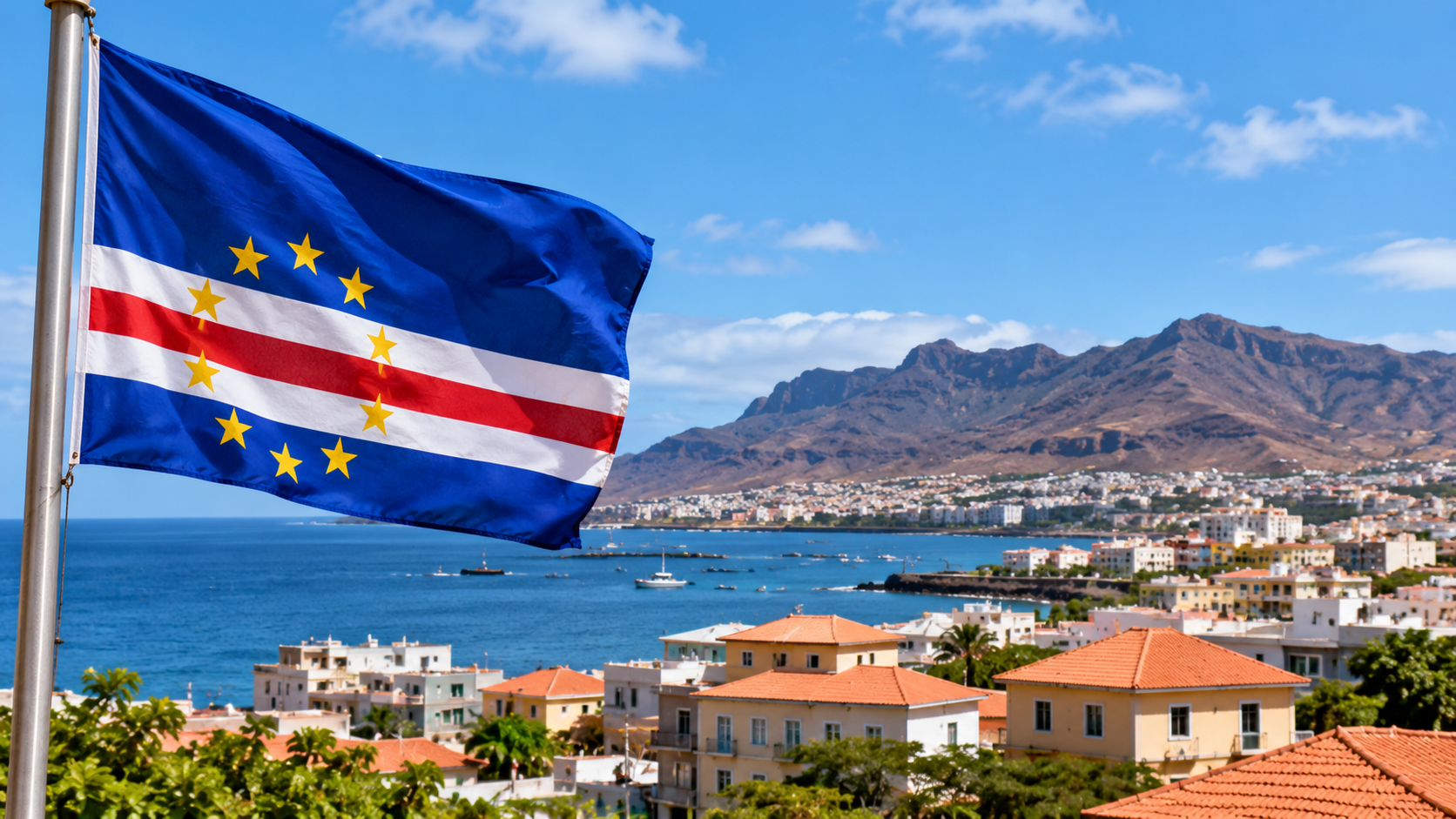
Voters in Cape Verde headed to the polls on Sunday in a historic presidential election. For the first time, a woman is competing for the country’s highest office.
Joana Rosa, a former justice minister, is challenging President José Maria Neves, who wants a second term.
According to Al Jazeera, citing Reuters and the Associated Press, six candidates are competing in the November 15 vote.
More than 300,000 people can vote. Polling stations opened at 8am and will close at 6pm local time.
Joana Rosa makes history in Cape Verde
Joana Rosa is the first woman to run for president since Cape Verde gained independence in 1975.
She represents the opposition Movement for Democracy (MpD). Moreover, she is widely seen as Neves’s strongest challenger.
Neves, 66, represents the African Party for the Independence of Cape Verde (PAICV).
He served as prime minister for 15 years before becoming president in 2021.
His party also won 37 of the country’s 72 parliamentary seats in May. As a result, it secured a narrow majority.
Meanwhile, Rosa’s party lost power after governing Cape Verde for a decade.
The country has a parliamentary-presidential political system. The president can veto legislation and help resolve political disputes.
Youth emigration dominates election campaign
The Cape Verde presidential election has focused heavily on youth emigration and employment opportunities.
Many young people leave the country because they struggle to find jobs.
Cape Verde has around 500,000 residents. However, more Cape Verdeans live abroad than on the islands.
Many have settled in Portugal and the United States.
In addition, nearly 77,000 citizens living overseas have registered to vote.
Neves has promised to organise a youth summit if voters give him another term.
Rosa has offered a different approach. She wants to create opportunities that encourage young people to build their futures at home.
Both candidates recognise that emigration remains a major challenge for the country.
Voters demand economic opportunities
Cape Verde is known for political stability and peaceful elections.
However, many citizens remain concerned about their economic future.
Roselma Evora, a professor at the University of Cabo Verde, discussed these concerns with the Associated Press.
She said many voters feel that political leaders do not understand their daily struggles.
Therefore, employment and economic opportunities have become important issues in the presidential race.
The election will also test public support for the country’s established political parties.
Results expected within days
Election officials expect results within two to three days.
A candidate must win more than 50% of the vote to secure the presidency.
Otherwise, the two leading candidates will compete in a runoff on November 29.
Neves enters the race as the favourite. Nevertheless, Rosa’s candidacy marks an important moment in Cape Verde’s political history.
The outcome will determine whether Neves wins another term or Cape Verde elects its first female president.