
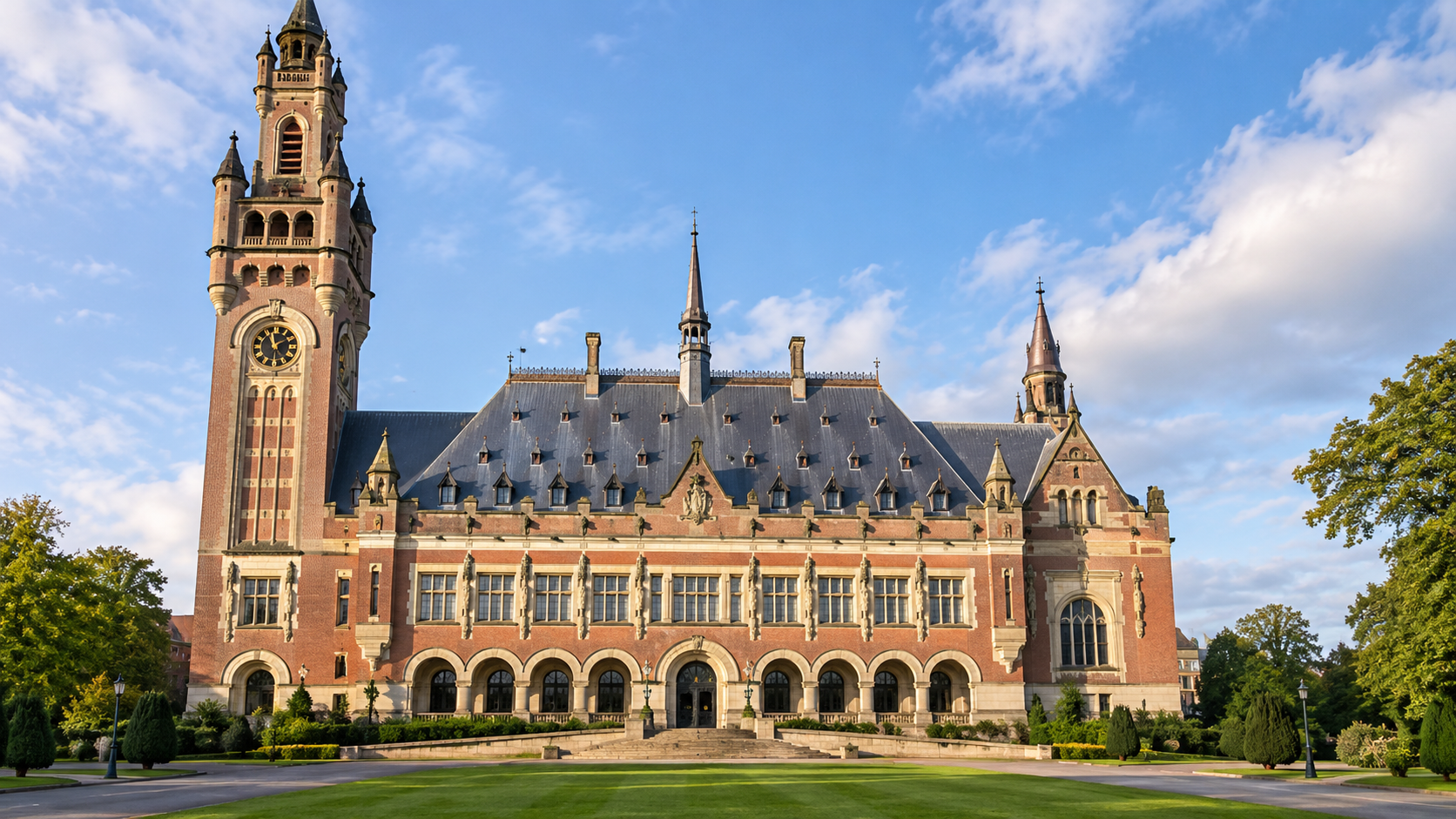
The International Court of Justice (ICJ) ruled on Thursday that Myanmar committed genocide against its predominantly Muslim Rohingya minority, delivering a landmark judgment in a case brought by The Gambia.
The Hague-based court voted 9-6 that Myanmar violated its obligations under the Genocide Convention, according to Africanews and the Associated Press (AP).
The ruling marks the first time the international court has found a state responsible for committing genocide.
ICJ confirms Rohingya genocide
The court found that Myanmar’s security forces killed thousands of Rohingya civilians during a military campaign in northern Rakhine state.
Judges also documented acts of sexual violence, extreme violence against children and attacks on Rohingya civilians attempting to escape.
Myanmar had previously defended its 2017 military campaign as a legitimate operation against insurgents.
However, the court concluded that Myanmar’s actions constituted genocide under international law.
The Gambia’s landmark legal case
The Gambia brought the case against Myanmar in an effort to secure accountability for atrocities committed against the Rohingya population.
The West African country’s legal action placed the persecution of Rohingya Muslims before the United Nations’ highest court.
The judgment represents a significant milestone in international efforts to hold states accountable for violations of the Genocide Convention.
Furthermore, it highlights the role African nations can play in pursuing international justice beyond their borders.
Myanmar ordered to pursue accountability
The ICJ ordered Myanmar to investigate individuals suspected of participating in the genocide.
The court also instructed Myanmar to prosecute and punish those responsible where warranted.
However, the judgment does not itself establish the individual criminal responsibility of specific military officials.
For the Rohingya community, the ruling represents a major legal milestone following years of persecution and displacement.
The implementation of the court’s orders will now be crucial to ensuring accountability and justice for victims. et dolore magna aliqua. Ut enim ad minim veniam, quis nostrud exercitation ullamco laboris nisi ut aliquip ex ea commodo consequat. Duis aute irure dolor in reprehenderit in voluptate velit esse cillum dolore eu fugiat nulla pariatur. Excepteur sint occaecat cupidatat non proident, sunt in culpa qui officia deserunt mollit anim id est laborum.