
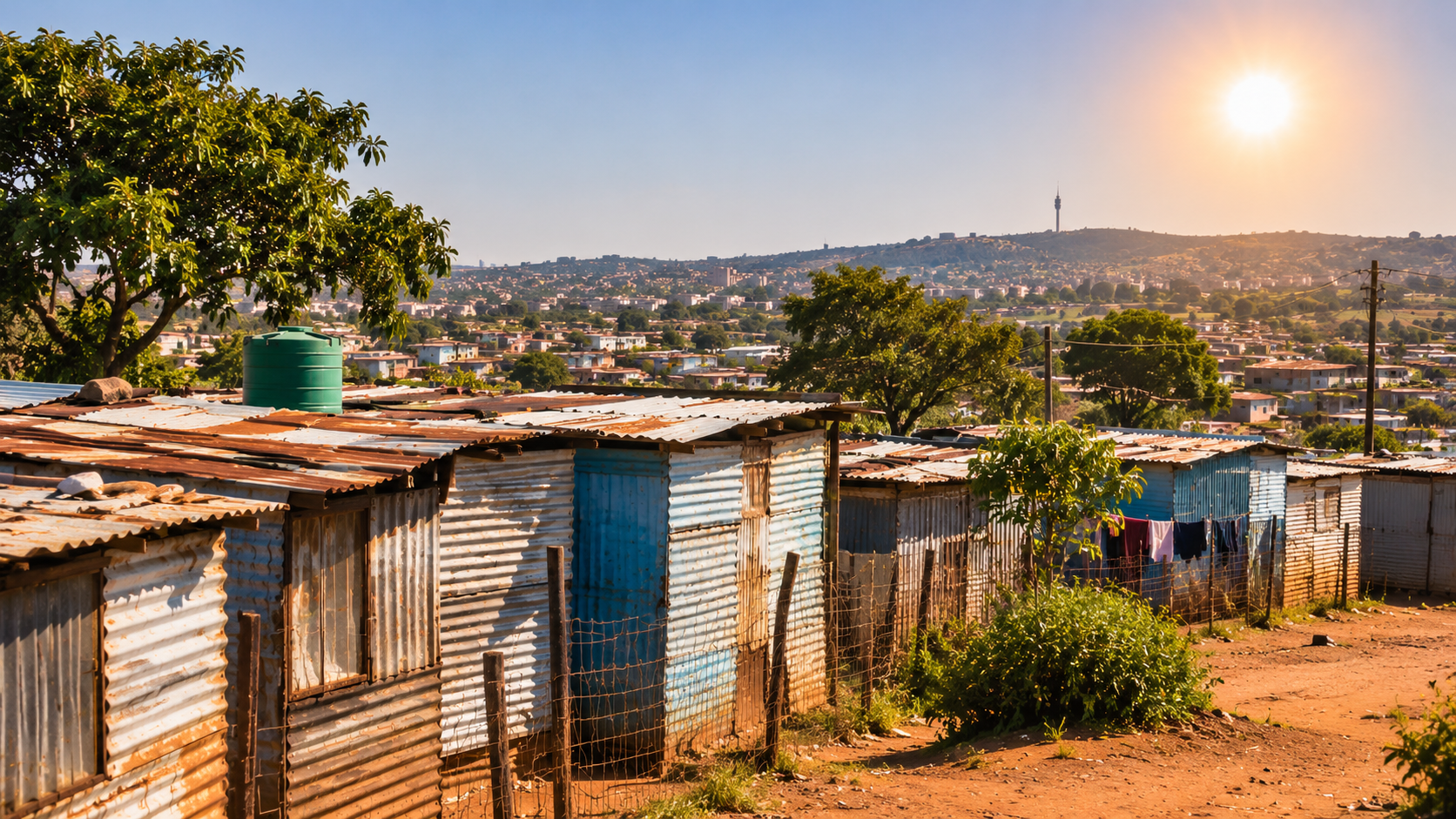
Extreme heat is threatening the health of pregnant women in South Africa, particularly in informal settlements where access to clean water and reliable electricity remains limited.
According to Africanews and the Associated Press (AP), health workers in Mamelodi, Gauteng province, have reported an increase in premature deliveries compared with previous summers.
Pregnant women attending the Stanza Bopape Antenatal Unit have also reported dizziness, swollen feet and difficulty walking during periods of intense heat.
Extreme heat increases pregnancy risks
Researchers at the University of the Witwatersrand (Wits) have identified a link between rising temperatures and premature births.
Their analysis of existing studies found that every one-degree Celsius increase in temperature was associated with a four percent higher risk of premature birth.
Furthermore, health workers warn that heat stress and dehydration can contribute to maternal distress and reduced foetal movement.
Poor living conditions increase vulnerability
Limited access to basic services makes it harder for women in informal settlements to protect themselves from extreme heat.
Dr Sibusiso Mkwananzi, a senior researcher at the Wits Reproductive Health and HIV Institute, highlighted how socioeconomic conditions compound the health risks.
Many households lack running water and reliable electricity. As a result, pregnant women may struggle to stay hydrated or cool their homes using fans.
Health workers urge precautions
Healthcare professionals in Mamelodi are encouraging pregnant women and new mothers to drink more water during periods of intense heat.
They also advise pregnant women to monitor foetal movements and seek immediate medical attention if they notice reduced movement or experience symptoms of heat exhaustion.
The findings highlight how rising temperatures and unequal access to essential services can threaten maternal and newborn health in South Africa.