
Algeria’s parliament has unanimously passed a law declaring France’s colonisation of the country a crime, formally demanding an official apology and reparations from Paris.
The legislation also criminalises the glorification of colonialism, according to media reports, marking a major escalation in tensions between the two countries, which observers say are now at their lowest point since Algeria gained independence in 1962.
France ruled Algeria from 1830 to 1962, a period marked by mass killings, forced displacement and a brutal war of independence. Algeria maintains that 1.5 million people were killed during the struggle, a figure disputed by some French historians who cite lower estimates.
Although President Emmanuel Macron has previously described the colonisation of Algeria as a “crime against humanity”, France has stopped short of issuing a formal apology.
During the parliamentary session, lawmakers wore scarves in the colours of the Algerian flag and chanted slogans in support of the country as the bill was approved. The law states that France bears “legal responsibility” for the suffering inflicted on Algeria and affirms that full compensation is an “inalienable right” of the Algerian people and state.
France has not yet officially responded to the vote.
The move comes amid broader international pressure on former colonial powers to address historical injustices, including calls for reparations and the return of looted cultural artefacts held in European museums.
Algerian officials have long demanded the return of a 16th century bronze cannon known as Baba Merzoug, once regarded as the protector of Algiers. French forces removed the cannon after capturing the city in 1830, and it remains in the French port city of Brest.
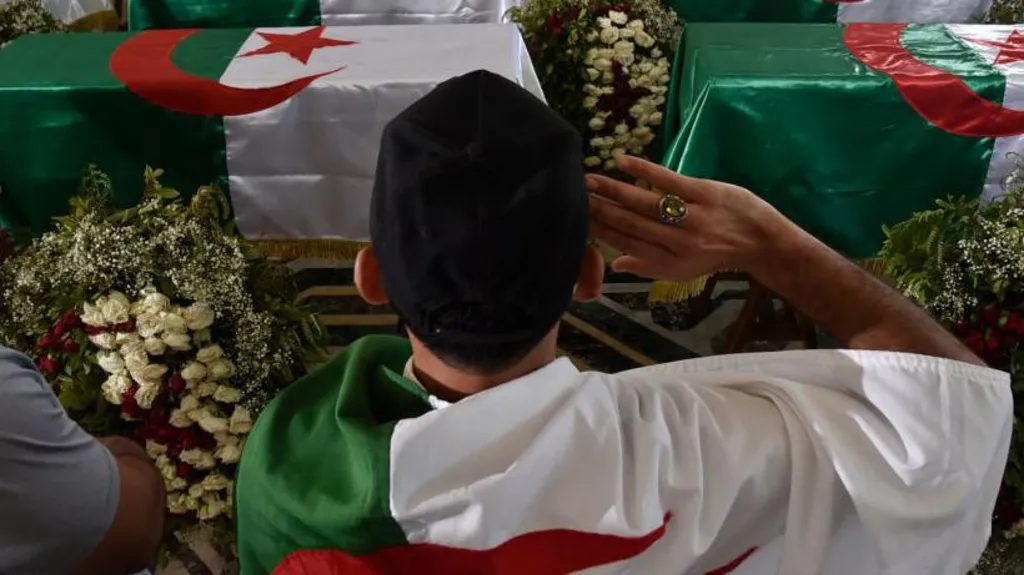
In recent years, France has taken limited steps toward reconciliation, including the return in 2020 of the remains of 24 Algerian resistance fighters killed during the 19th century.
Last month, Algeria hosted a conference of African states focused on justice and reparations, with Foreign Minister Ahmed Attaf stressing that restitution should not be treated as “a gift or a favour”, but as a legal obligation.
Relations between Algiers and Paris deteriorated sharply last year after France recognised Moroccan sovereignty over Western Sahara and backed Rabat’s autonomy plan for the disputed territory. Algeria, a key supporter of the pro independence Polisario Front, strongly opposed the move.
The diplomatic rift deepened further following the arrest of French Algerian novelist Boualem Sansal, who was jailed for five years over remarks questioning Algeria’s borders, before being pardoned last month by President Abdelmadjid Tebboune.