
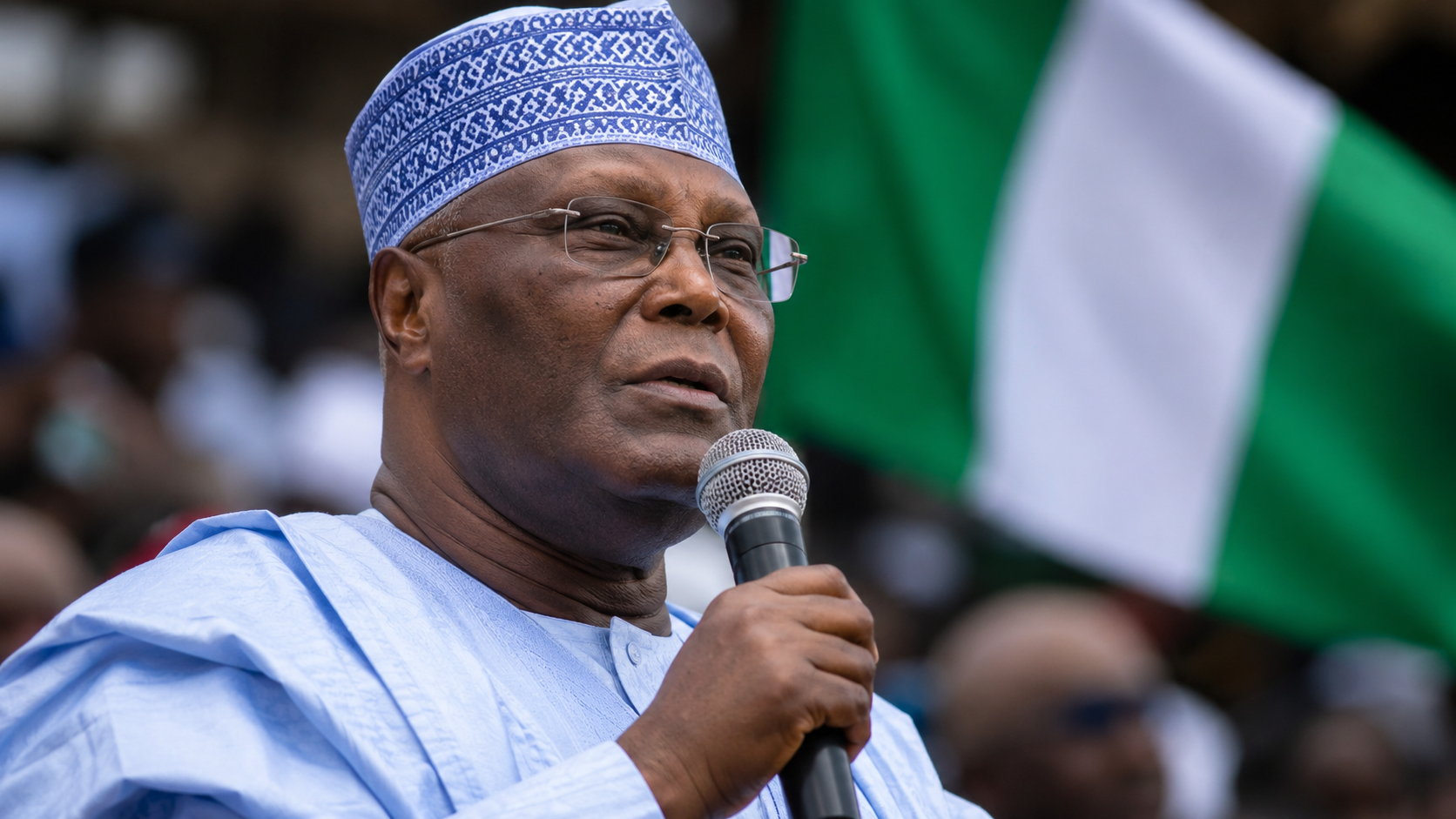
Atiku Abubakar’s presidential candidacy faces uncertainty after a Nigerian court reportedly invalidated his nomination ahead of the 2027 elections.
The ruling affects the opposition African Democratic Congress (ADC). The party is preparing to challenge President Bola Tinubu’s All Progressives Congress (APC).
According to Africanews and AFP, the Federal High Court in Abuja ruled against the ADC leadership under David Mark.
As a result, Abubakar’s presidential nomination was also reportedly invalidated.
However, the ADC has rejected the decision and announced plans to appeal.
Why is Atiku’s presidential candidacy in doubt?
Atiku’s presidential candidacy is under pressure because of a leadership dispute within the ADC.
David Mark and Nafiu Bala Gombe have been fighting for control of the party.
According to Nigerian media reports, the court ruled against the leadership under Mark.
Consequently, the decision also affected Abubakar’s nomination, which took place during Mark’s leadership.
The ruling comes ahead of Nigeria’s presidential election on January 16, 2027.
However, the legal dispute is not over. The ADC plans to challenge the judgment.
ADC rejects court ruling
The ADC has criticised the ruling and accused the governing APC of political interference.
Party spokesman Bolaji Abdullahi described the decision as an attempt to weaken the opposition.
He also accused the ruling party of trying to limit voters’ choices.
However, the APC has denied involvement.
Daniel Bwala, a spokesman for President Tinubu, told AFP that the governing party had no role in the lawsuit.
The allegations of political interference have not been independently verified.
Atiku continues presidential campaign
Despite the court ruling, Abubakar has continued his election campaign.
He launched his campaign in Sokoto state one day before the judgment.
After the decision, Abubakar questioned its timing.
However, he did not directly address the ruling during a later campaign rally in Kebbi state.
Meanwhile, ADC officials have encouraged supporters to continue campaigning.
Sadiq Ibrahim Dasin, the party’s chairman in Adamawa state, said election authorities had not challenged the qualifications of ADC candidates.
He urged party members to remain focused on the election.
Nigeria’s Independent National Electoral Commission (INEC) had not responded to AFP’s request for comment.
Nigeria’s opposition faces legal challenges
The dispute over Atiku’s presidential candidacy comes amid wider legal challenges facing Nigeria’s opposition.
During the 2023 elections, European Union observers raised concerns about election-related lawsuits.
Their report identified at least 1,200 court cases.
The observers warned that excessive litigation could weaken public confidence in elections.
Meanwhile, another opposition party has accused the APC of political interference.
The Nigeria Democratic Congress, associated with Peter Obi, claimed its meetings faced disruption.
The party cited last-minute hotel cancellations in Abuja.
However, Bwala rejected the accusations. He said hotels in the capital were privately owned.
Why Atiku’s candidacy matters
Abubakar remains one of Nigeria’s most prominent opposition politicians.
He finished second in the 2023 presidential election.
Meanwhile, Peter Obi finished third.
If Abubakar cannot contest the 2027 election, the opposition could face a major setback.
His exclusion could also affect northern Nigeria’s political representation.
Regional representation remains an important issue in Nigerian politics.
However, the final impact will depend on the outcome of the ADC’s appeal.
Security and economy shape Atiku’s campaign
Abubakar has focused his campaign on security and economic challenges.
During a rally in Sokoto, he promised to improve security across Nigeria.
The country continues to face attacks by armed groups and criminal networks.
Meanwhile, rising living costs remain a major concern for voters.
Abubakar has promised to restore fuel subsidies.
The pledge follows economic reforms introduced under President Tinubu.
These reforms have increased pressure on household budgets.
As a result, fuel prices and living costs are likely to remain major election issues.
What happens next for Atiku?
The ADC plans to appeal the court ruling.
The outcome could determine whether Abubakar’s presidential nomination can be restored.
Meanwhile, the party must address its leadership dispute before the election.
The ruling has also raised questions about the opposition’s preparations.
For now, Atiku’s presidential candidacy remains uncertain.
With the January 2027 election approaching, the next legal decisions could shape Nigeria’s presidential race.