
Benin’s political landscape is undergoing a notable shift after a major opposition party announced it will join the governing camp.
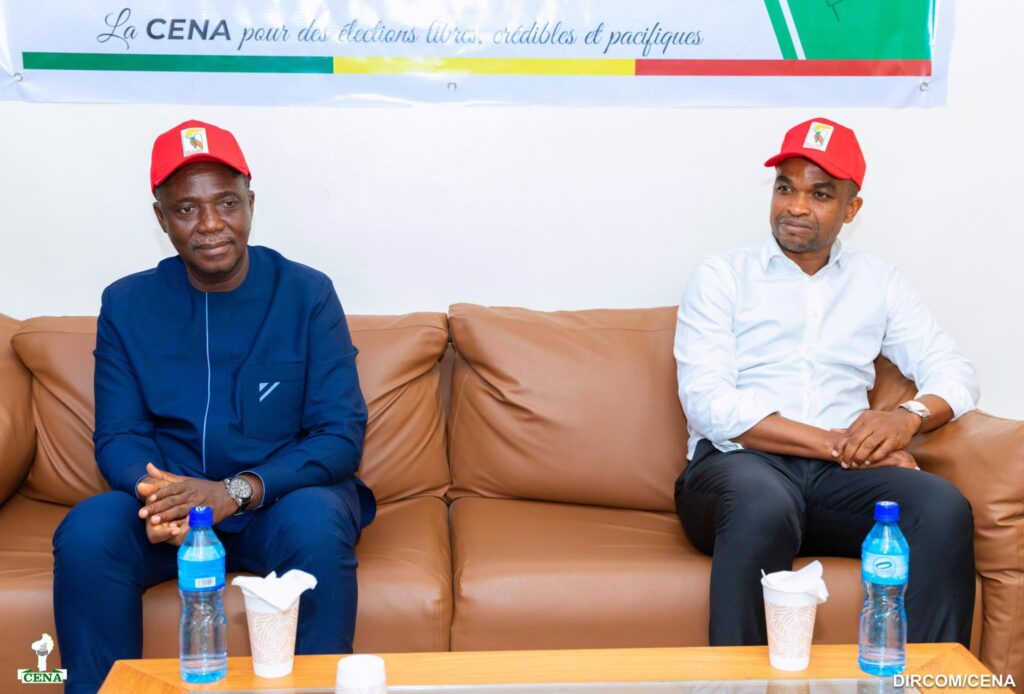
The Cowry Forces for an Emerging Benin (FCBE), a long-standing moderate opposition group, confirmed on Saturday that it is ending a decade in opposition to align with the ruling majority. The decision comes just two weeks before the inauguration of President-elect Romuald Wadagni.
The move further strengthens the presidential bloc, made up of the Progressive Union for Renewal and the Republican Bloc, following a recent election cycle dominated by the ruling forces.
The FCBE’s decision follows a poor electoral performance, with its candidate Paul Hounkpe winning less than six per cent of the vote in last month’s presidential election. Party leaders also pointed to their failure to secure parliamentary representation as a key factor behind the shift.
“The choice of the people is binding on us,” said party leader Yaya Garba, describing the realignment as a step aimed at supporting national development.
However, critics say the development reflects a deepening concentration of power in a political system once regarded as one of West Africa’s more stable democracies.
The main opposition party, The Democrats, was excluded from the race after failing to meet new administrative requirements for candidacy, raising further concerns about political competition.
During outgoing President Patrice Talon’s tenure, sweeping institutional reforms significantly reshaped the political arena, consolidating influence within the ruling camp while sidelining opponents. In recent elections, the governing majority secured all parliamentary and municipal seats, leaving little space for opposition representation.
Several prominent opposition figures are currently facing long prison terms or remain in exile, underscoring the increasingly restrictive political environment.
Wadagni is set to be inaugurated on May 24, marking the formal integration of the FCBE into the governing structure and cementing the country’s new political configuration.