
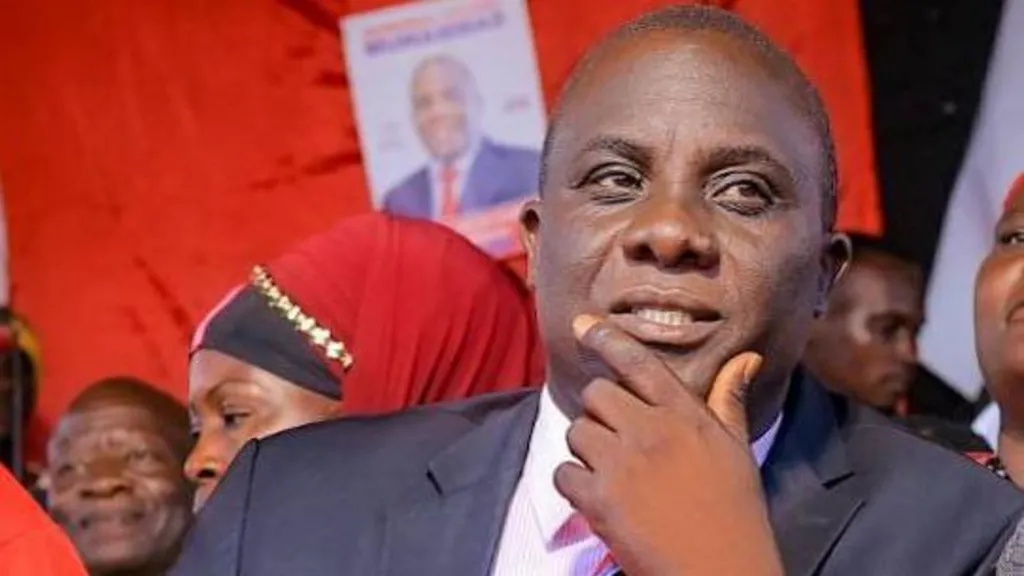
Ugandan police have detained a lawmaker and senior opposition figure over his alleged involvement in election-related violence following last week’s polls, according to media.
Muwanga Kivumbi, a deputy leader of opposition figure Bobi Wine’s National Unity Platform, was arrested over accusations that he organised attacks on a police station and a vote-tallying centre after the party’s electoral defeat. The party has strongly denied the claims.
Police say at least seven people were killed during the unrest. Kivumbi has disputed that account, stating that 10 people were shot dead at his home while supporters were waiting for parliamentary election results.
In a statement posted on social media, the Uganda Police Force said Kivumbi would be brought before court in due course, adding that his arrest was connected to recent incidents of political violence.
The detention comes amid heightened tensions following elections in which President Yoweri Museveni secured a seventh term in office. During his victory speech, Museveni warned that opposition figures were allegedly coordinating attacks on polling stations.
According to the authorities, police shot dead seven people after groups described as opposition supporters, some allegedly armed with machetes, attempted attacks in Butambala district on the outskirts of Kampala.
Bobi Wine, Museveni’s main challenger, has rejected the election outcome as fraudulent and says he went into hiding after security forces raided his home. He has accused the authorities of carrying out what he described as a “silent massacre” targeting opposition activists.
Wine later claimed that more than 100 people had been killed in election-related violence, though no evidence was provided. Separately, Uganda’s army chief said security forces killed 22 opposition supporters during clashes linked to the polls.
Since the election, dozens of young people have reportedly been arrested in Kampala on charges related to post-election disturbances.
Museveni first took power in 1986 after leading a rebel movement and will have ruled for 45 years by the end of his next term in 2031. Uganda has never experienced a peaceful transfer of presidential power since independence.