
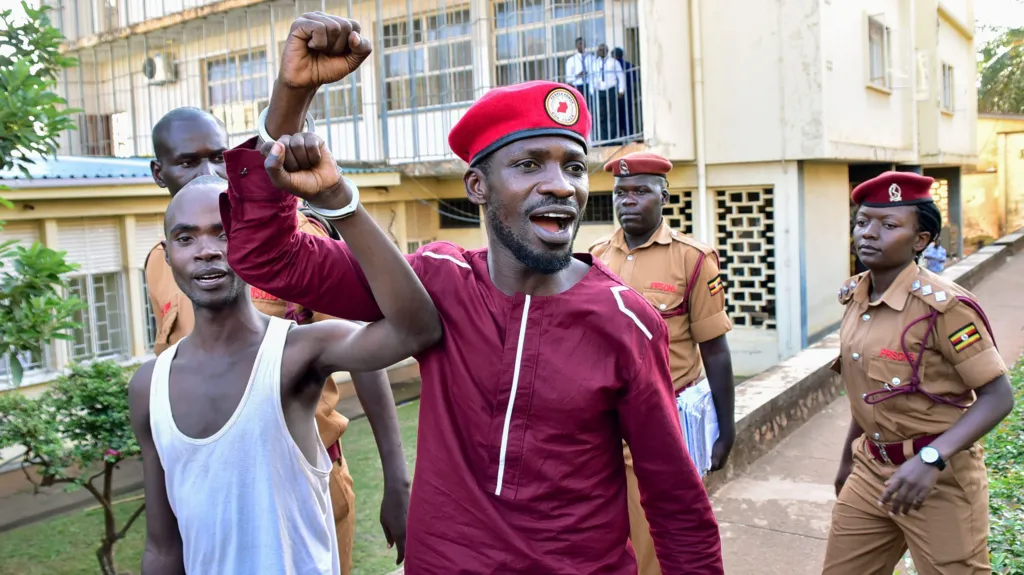
Once one of Uganda’s most popular music stars, Bobi Wine has emerged as one of the strongest political challengers to President Yoweri Museveni, transforming his fame into a platform that has reshaped the country’s opposition politics.
Known for his charisma and grassroots appeal, the 43 year old artist turned politician has become a central figure for Uganda’s youth, who make up a large share of the population. Raised in the Kamwokya slum in Kampala, Wine, whose real name is Robert Kyagulanyi Ssentamu, branded himself the “ghetto president” and built his campaign around youth unemployment, corruption and human rights.
Wine is set to face Museveni in a presidential election for the second time. Museveni, now 81, has ruled Uganda for four decades, and Wine enters the race as an opposition figure who says he has been repeatedly targeted by the authorities.
Since entering politics, Wine has been arrested multiple times and faced a series of criminal charges, including illegal possession of firearms and treason. Although the cases were later dropped, they drew international attention, with prominent musicians and activists calling for his release and describing the charges as politically motivated.
In 2021, further controversy erupted when security forces fired on Wine during his election campaign, an incident that fuelled domestic and international criticism. Wine has argued that his popularity makes him a threat to the political establishment, a claim the authorities reject. Officials insist that arrests of Wine and his supporters were necessary to maintain law and order, while Museveni has accused the opposition leader of organising unsafe rallies, an allegation Wine denies.
Wine’s political journey followed a successful career in music. After studying music, dance and drama at Makerere University, he became known for blending reggae, Afrobeats and Ugandan rhythms into what he called “edutainment”, music designed to entertain while addressing social issues. His songs earned him a loyal following, particularly among young Ugandans.
In 2017, Wine entered parliament after winning a by election by a wide margin. He later formed the People Power movement, which evolved into the National Unity Platform after authorities blocked its registration as a party. By the 2021 election, Wine had become the main opposition candidate, although he lost amid allegations of fraud, claims denied by the electoral commission.
His political story later reached a global audience through a documentary that portrayed him as a symbol of popular resistance. Despite international recognition, Wine has continued to project an image rooted in his background, campaigning in casual clothing and maintaining close ties with young supporters.
As the election approaches, Wine continues to campaign under heavy security, often wearing protective gear as his rallies face restrictions and confrontations with security forces. Supporters remain visible and determined, despite the risks.
Wine insists the vote represents more than a contest for power. He says it is about citizens asserting their rights through the ballot box, describing the election as a chance for peaceful change in a country long dominated by one leader.