
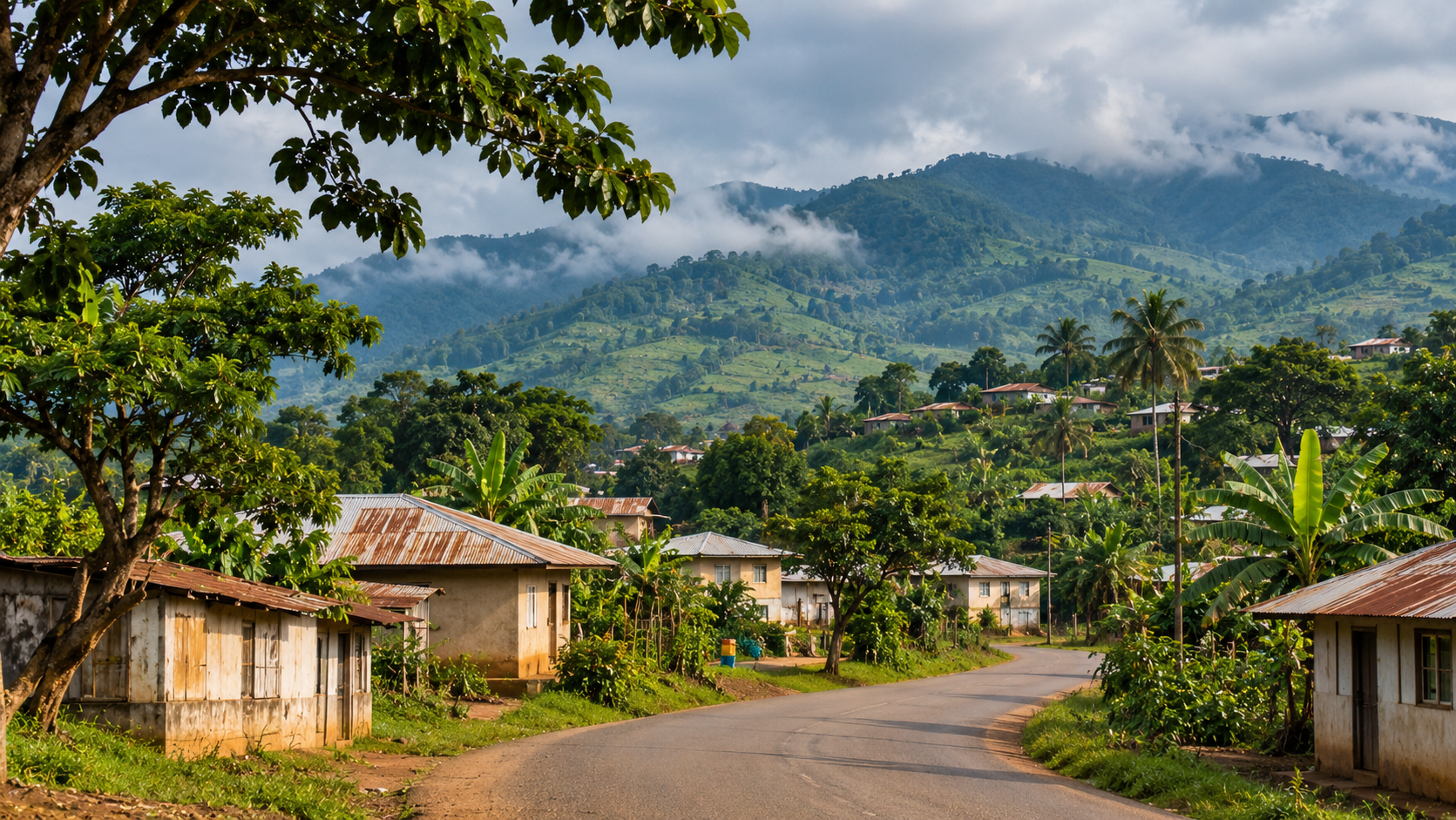
Former separatist fighters in Cameroon are struggling to return to civilian life amid fears of arrest, economic hardship and concerns over government rehabilitation programmes.
A report by Al Jazeera highlights the challenges facing former fighters who have abandoned the armed struggle in Cameroon’s English-speaking Northwest and Southwest regions.
Some have found civilian employment independently. Others say government reintegration programmes have failed to provide adequate financial and psychological support.
Meanwhile, the conflict continues a decade after protests first erupted in the Anglophone regions.
Former rebels fear arrest
Collins Mbah, a former separatist fighter, now works as a traditional healer in the coastal city of Douala.
He told Al Jazeera that he abandoned the rebellion after witnessing fellow fighters turn against civilians.
However, Mbah refused to join the government’s disarmament, demobilisation and reintegration (DDR) programme.
He says authorities still want him and that he frequently changes neighbourhoods to avoid arrest.
Other former fighters have expressed similar concerns.
Peter Mosongo, who now works as a motorcycle taxi driver in Buea, left the rebellion in 2019.
He told Al Jazeera that he feared imprisonment if he surrendered to the authorities. He also reported receiving threats from former fellow fighters.
Cameroon’s reintegration programme faces criticism
Cameroon’s government has encouraged separatist fighters to surrender through its DDR programme and community dialogue initiatives.
Prime Minister Joseph Dion Ngute launched dialogue initiatives in Buea and Bamenda in September and October, respectively.
Authorities presented 55 fighters at the two events as having abandoned the armed struggle.
However, some former fighters have questioned the effectiveness of government rehabilitation efforts.
Paul Mukete, who entered a DDR centre in 2020, told Al Jazeera that he received agricultural training but no psychological care.
He also claimed that some former fighters left the centre out of frustration, with several returning to the rebellion.
Mental health specialist Fonbeh Hedwick Chia warned that inadequate psychological support could undermine reintegration efforts.
He argued that former fighters need sustained assistance to overcome trauma and rebuild their lives.
A decade of conflict in Cameroon
Cameroon’s Anglophone crisis began in 2016 when English-speaking lawyers and teachers protested against perceived marginalisation.
A government crackdown followed, and the unrest eventually developed into an armed separatist conflict.
Separatist groups seek independence for the Northwest and Southwest regions, which their supporters call Ambazonia.
The conflict has killed thousands of people, displaced hundreds of thousands and disrupted education.
According to figures released in October by the Centre for Human Rights and Democracy in Africa, the death toll could be as high as 10,000.
Human rights abuses by both government forces and separatist groups have also contributed to civilian suffering.
Meanwhile, some armed factions have become involved in criminal activities, including kidnapping for ransom.
Experts call for political solutions
Cameroon’s separatist movement consists of numerous factions without a unified command structure.
This fragmentation has complicated efforts to negotiate an end to the conflict.
Chris Roberts, a political scientist at Canada’s University of Calgary, told Al Jazeera that longstanding governance problems remain central to the crisis.
He argued that political reforms, rather than military operations alone, are necessary to achieve lasting peace.
For former fighters, however, the immediate challenges include personal security, employment and access to psychological support.
Their experiences highlight the difficulties of rebuilding civilian lives while the conflict remains unresolved.