
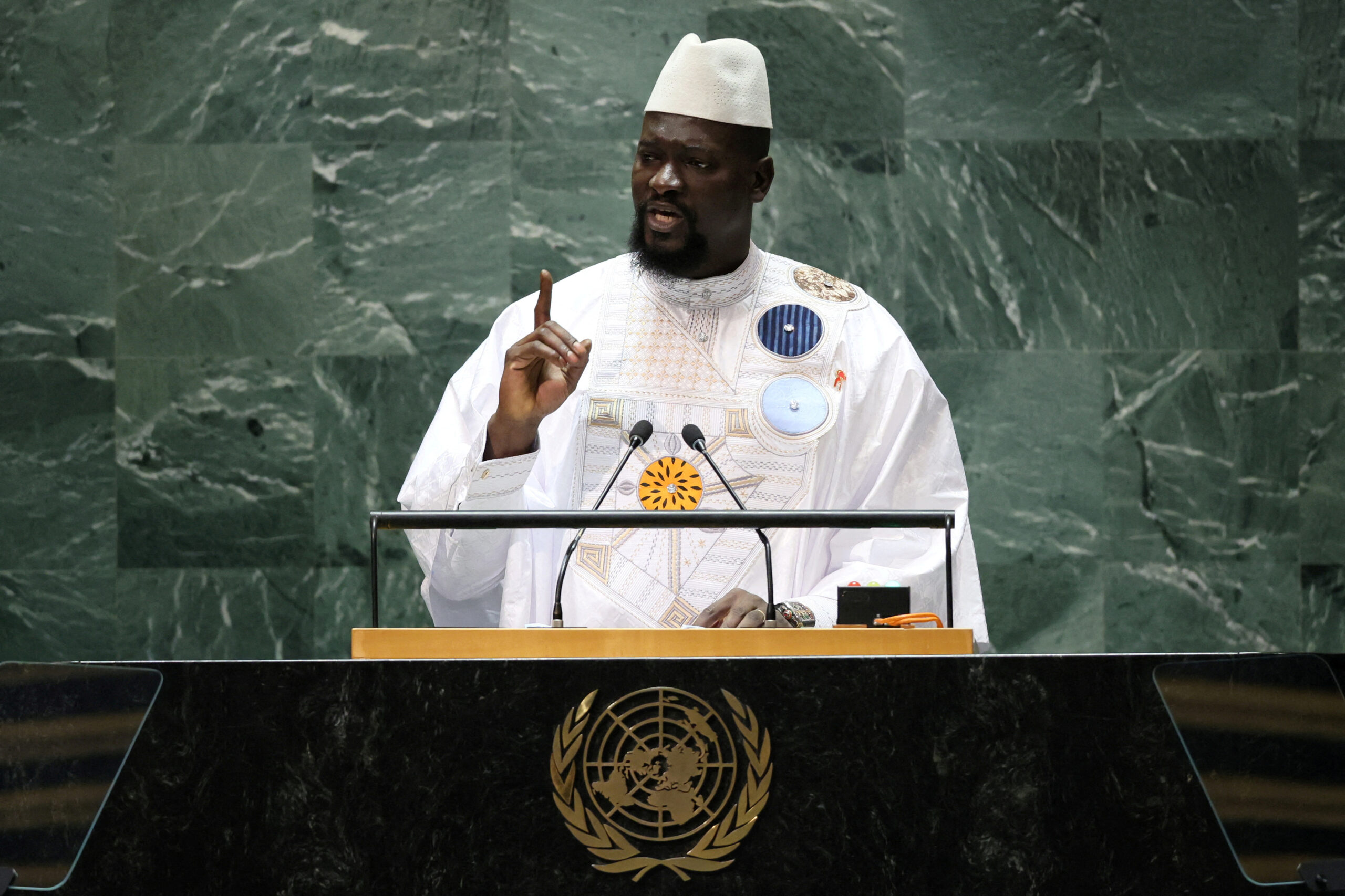
Guinea’s military leader Mamady Doumbouya is widely expected to secure victory in Sunday’s presidential election, benefiting from weak opposition, tight political controls, and the recent launch of a long delayed iron ore mega mine.
Doumbouya seized power in 2021 after overthrowing President Alpha Condé, one of a wave of coups that have reshaped politics across West and Central Africa in recent years. At the time, he pledged not to run for office, but a new constitution approved in September cleared the way for his candidacy and extended the presidential term from five to seven years.
Key political rivals, including Condé and long time opposition figure Cellou Dalein Diallo, remain in exile, while several other potential challengers were disqualified on technical grounds. Eight candidates are contesting the vote, though analysts say none pose a serious threat.
“There is realistically no opponent capable of challenging him,” said Guinean political analyst Bella Bah, who added that the greater test will come after the vote, when Doumbouya must broaden dialogue beyond the military establishment.
Political space has narrowed under the transitional authorities, with civil society groups accusing the government of banning protests, restricting opposition activity, and curbing press freedom.
The election comes against the backdrop of a major economic milestone, with Guinea last month officially launching production at the Simandou iron ore project, one of the world’s richest untapped deposits. The mine, originally scheduled to begin operations in the 1990s, had faced decades of delays and was briefly paused by the junta in 2022 for a review of national interests.
Simandou sits at the centre of Doumbouya’s long term development vision, branded “Simandou 2040”. Annual production at the Chinese majority owned project is expected to reach up to 120 million tonnes, with government officials promising greater state oversight and revenue retention.
The authorities have also moved to assert greater control over the mining sector, including revoking the licence of a major alumina producer amid a refinery dispute. This resource nationalist stance has boosted Doumbouya’s popularity among supporters, echoing similar policies pursued by military led governments in Mali, Burkina Faso and Niger.
While the campaign has been largely calm, observers say the political environment remains heavily skewed. “The context does not allow for a free and fair election,” said Gilles Yabi of the West African think tank WATHI, noting that real power is likely to remain in military hands regardless of the outcome.
Despite Guinea’s continued suspension from ECOWAS following the coup, the regional bloc is sending election observers, signalling a gradual warming of ties. Around 6.7 million Guineans are registered to vote, with provisional results expected within two days of polls closing.