
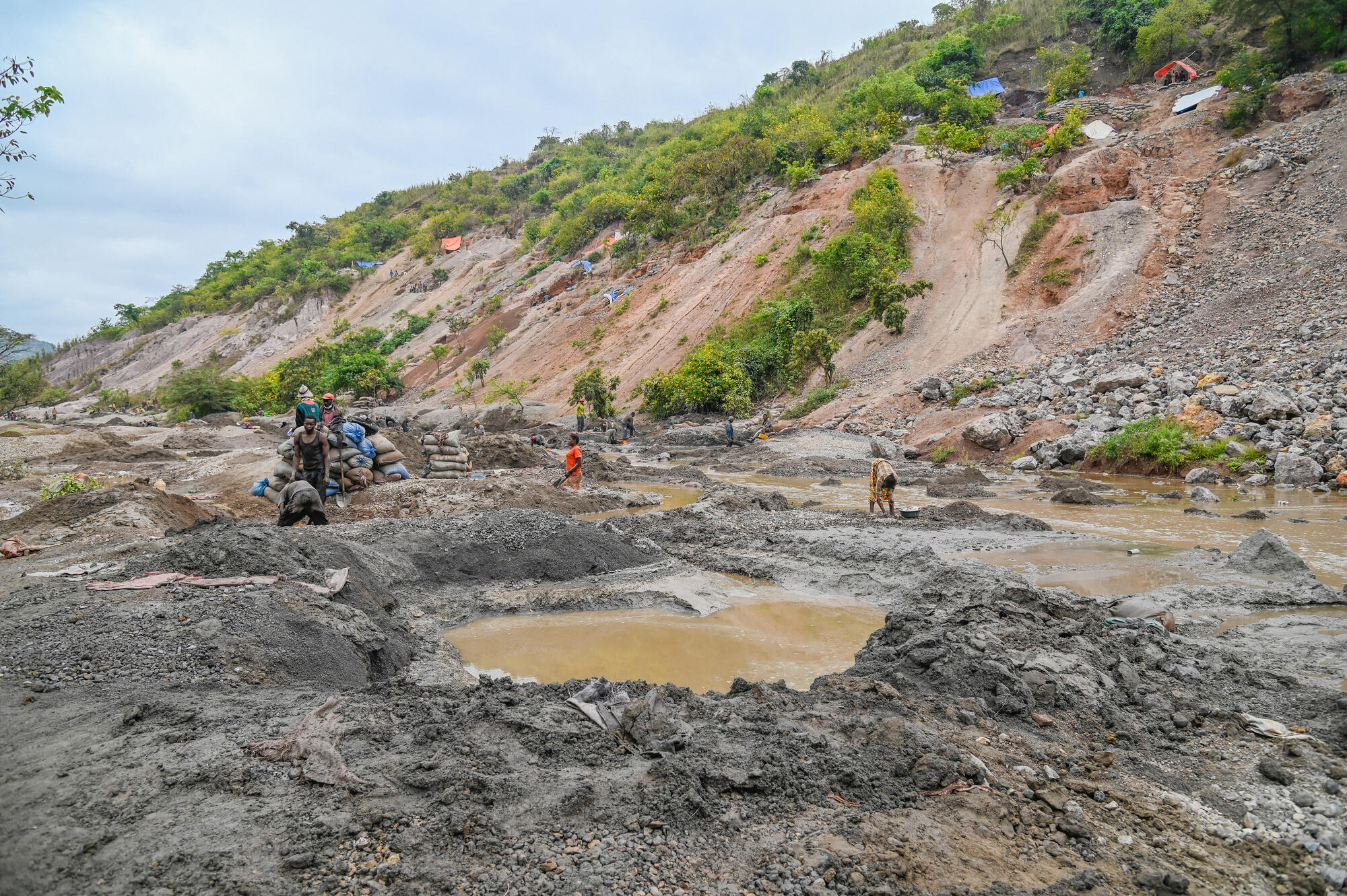
A deadly landslide claimed the lives of dozens of miners at an illegal gold deposit in the western Central African Republic last week.
The disaster struck on May 6 at the Be-Mbari site, located within the remote Nana-Mambere prefecture near the border with Cameroon.
Local residents report that many bodies remain entombed beneath the earth as search efforts continue in the rugged, hard-to-reach terrain.
Mining operations at the site are currently suspended while families and officials from the nearby municipality of Abba assess the toll.
The central government has yet to issue a formal statement regarding the tragedy, which occurred in a zone held by rebels.
Conflict over mineral wealth persists as armed groups frequently seize control of deposits to bypass state regulations and official commercial channels.
The Central African Republic holds vast reserves of gold, diamonds, and lithium, attracting major international firms from Russia, China, and Rwanda.
Despite legal frameworks, artisanal mining often operates in the shadows, where safety protocols are ignored in the pursuit of quick profit.
This incident marks the third major mining catastrophe this year, following similar fatal landslides in the villages of Ngourroum and Gordi.
Researchers note that while mining is technically regulated, a significant number of traders and laborers work without valid state permits.
The tragedy underscores the perilous intersection of unregulated resource extraction and the ongoing regional instability plaguing the nation’s western frontier.