
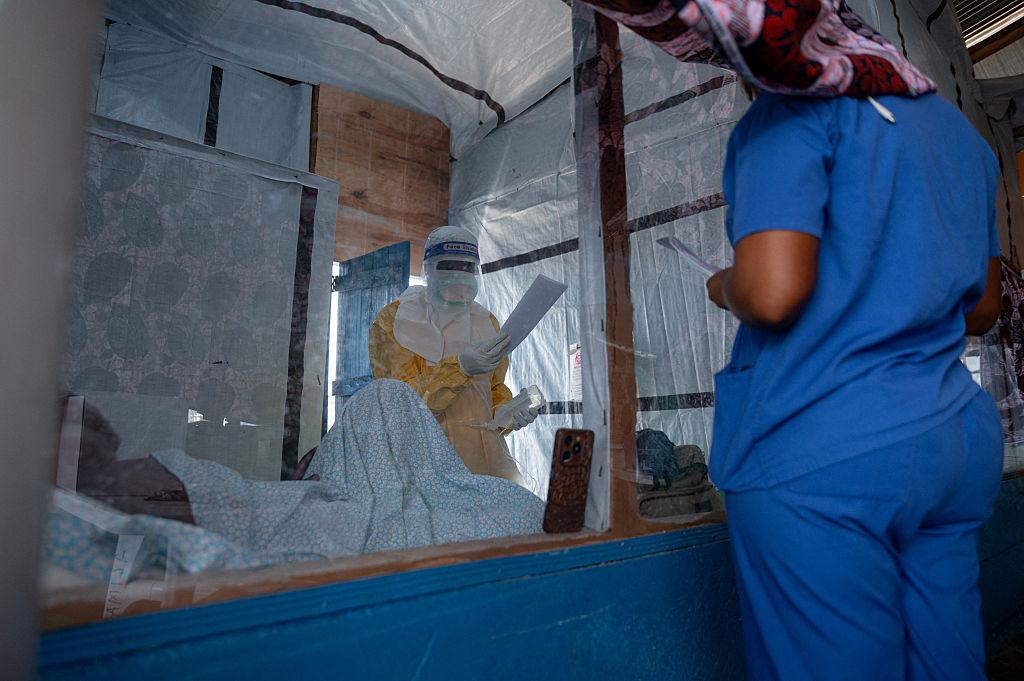
DR Congo’s Ebola death toll has climbed above 400 as authorities reported a sharp rise in new fatalities and confirmed cases, deepening concern over an outbreak spreading across the country’s conflict-hit east.
The Health Ministry said Thursday that confirmed infections had risen to 1,406 since the outbreak was declared on May 15, including 438 deaths. The figures put the case fatality rate at 31.2 percent.
The outbreak, caused by the Ebola Bundibugyo strain, has affected 34 health zones across Ituri, North Kivu and South Kivu provinces. Ituri remains the epicentre, with authorities saying Lolwa has become the 24th health zone affected in the province.
At least 192 people have recovered, while 609 patients remain in isolation or hospital care, according to the ministry.
The World Health Organization has warned that the reported fatality rate may be an undercount, with a number of deaths recorded before the outbreak was officially declared still under investigation.
The response has been hampered by insecurity, population movement, pressure on health facilities and resistance in some communities, where mistrust of medical teams has complicated contact tracing, isolation and safe burials.
Tensions turned deadly this week in Ituri’s Mambasa territory after violence broke out over the body of a man suspected of having died from Ebola. Two people, including a police officer, were killed Tuesday, while a treatment centre in the Nia-Nia health zone was set ablaze, local media reported.
The unrest reportedly began after residents refused to hand over the remains to teams responsible for dignified and safe burials, a key measure used to prevent Ebola transmission.
President Felix Tshisekedi earlier this week announced a $319 million national response plan to contain the outbreak.
Africa CDC has said donors and partners pledged $910 million to support Ebola response efforts in Congo and Uganda, where 20 cases have been confirmed. However, the agency has warned that the overall funding requirement has risen sharply as the outbreak expands and humanitarian conditions deteriorate in affected areas.