
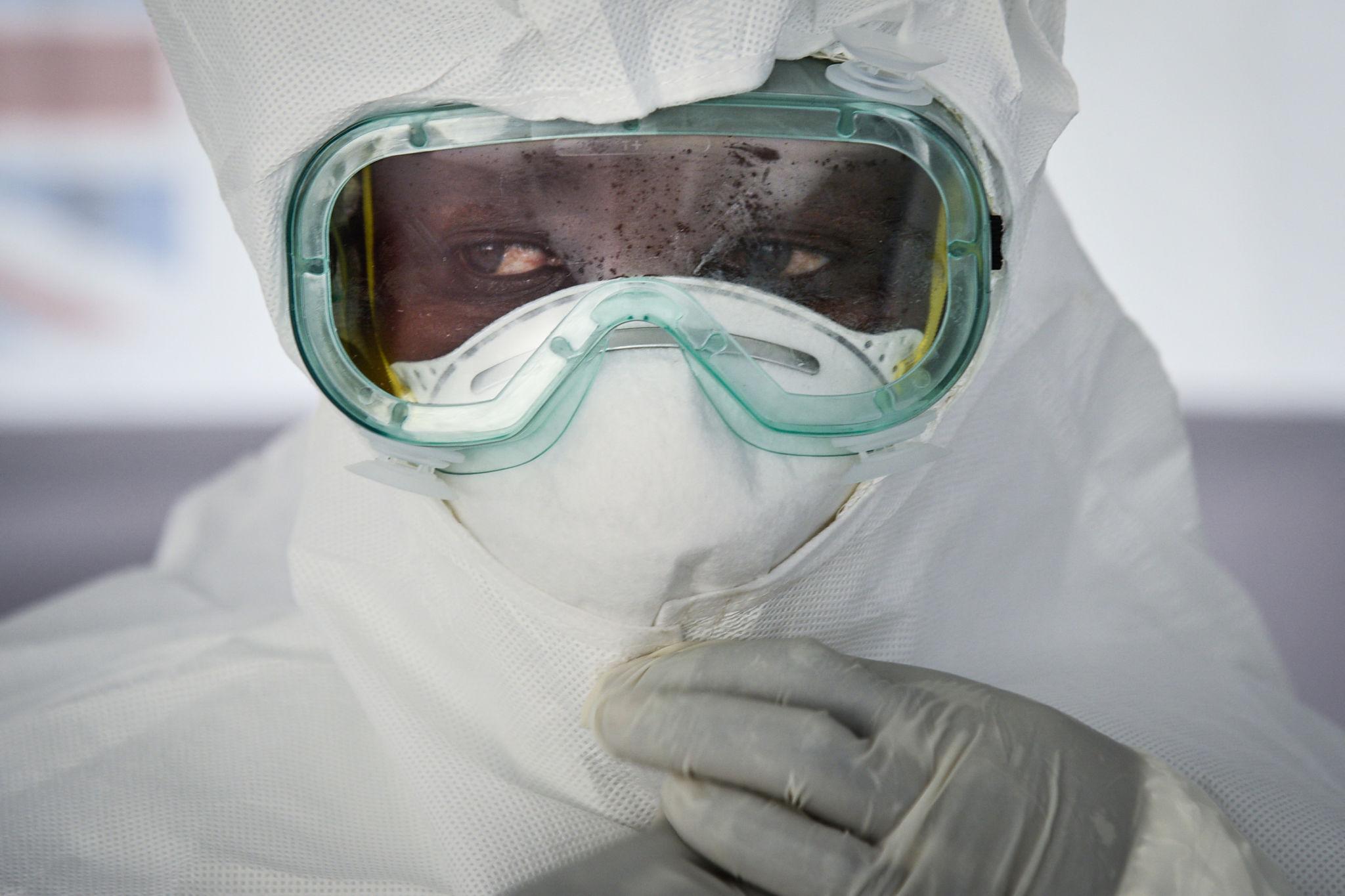
The official Ebola toll in eastern Democratic Republic of Congo may be showing only the visible edge of a wider outbreak that spread silently through mining towns, community burials and conflict-hit health zones before authorities caught up.
Public figures now put the suspected death toll at between 131 and 136, with more than 500 suspected cases. But the more disturbing admission has come from Congolese health officials themselves: people may have fallen sick and died before community alerts were ever registered, leaving investigators to reconstruct an outbreak already moving ahead of them.
The outbreak, caused by the rare Bundibugyo strain of Ebola, has struck Ituri province and spread into parts of North Kivu and South Kivu, while Uganda has also recorded a fatal imported case. The World Health Organization has declared the outbreak a public health emergency of international concern.
But behind the official numbers is a deeper crisis of delayed detection, limited testing, community deaths, conflict-hit access and a strain of Ebola that can be harder to identify early.
Congolese Health Minister Samuel Roger Kamba, speaking after a visit to Ituri, acknowledged that health teams are playing catch-up. The presumed first patient was a nurse who died in Bunia, the provincial capital, before being buried in Mongwalu, a gold-mining town that has since become one of the outbreak’s main centres.
Yet Kamba said the nurse may not have been the true beginning of the chain.
Someone may have died before him, or another person may have been sick earlier, without any report reaching the authorities. Formal community alerts were only registered from May 8, even though the virus was first detected on April 24.
That gap matters. In an Ebola outbreak, every missed death can mean missed contacts, missed burials, missed infections and a wider chain of transmission that only becomes visible later.
“The public toll remains 131 suspected deaths, but the rapid rise from 65 to 131 in four days, delayed detection, limited testing and conflict-hit access in Ituri suggest the real scale of the outbreak may still be undercounted.”
The Bundibugyo strain has made the crisis more dangerous. Unlike the more familiar Zaire strain, Bundibugyo can present with fewer obvious early signs and may be mistaken for malaria or other common illnesses. Health officials say that can delay diagnosis and allow the virus to move quietly through communities.
In Ituri, early testing was also reportedly focused on the Zaire strain, meaning the Bundibugyo outbreak may have gone undetected until it had already spread. Save the Children has warned that responders are now “in a game of catch-up.”
Fear is spreading with the virus. In Rwampara, one resident told the BBC that people were “dying very fast.” Others said they were scared but still lacked basic protective measures, including masks.
In Mongwalu, some deaths were reportedly blamed not on disease but on witchcraft. A local belief described as the “coffin phenomenon” spread in the area, with some residents fearing that anyone who touched the coffin of a dead person would also die.
Such fear, misinformation and delayed reporting are exactly the conditions Ebola exploits.
The outbreak has now reached or been detected in major urban centres including Butembo and Goma. That has raised alarm because cities bring dense populations, heavy movement and greater risk of cross-border spread. Goma, eastern DRC’s main trading hub, is also under M23 rebel control, adding another layer of complexity to the response.
Residents in Goma told the BBC that basic public health measures remain widely ignored. Some said few people were wearing masks, avoiding handshakes or changing daily routines. Others said survival pressures made strict precautions difficult.
The health system is also under strain. Bunia, Butembo and Goma are home to hundreds of thousands of people, but residents have questioned why fully operational Ebola treatment centres were not already functioning days after the outbreak was declared.
Eastern DRC is not facing Ebola in isolation. Ituri and North Kivu are already battered by armed conflict, displacement, insecurity and weakened public services. Hundreds of thousands of people have been uprooted, while health workers must operate in areas where state authority is fragile or contested.
That makes contact tracing, safe burials, laboratory testing and community outreach far harder.
The outbreak has also drawn international attention after an American doctor working in Ituri tested positive. The United States has announced emergency assistance for DRC and Uganda, while the infected American was evacuated to Germany for treatment. US health officials are also working to evacuate other exposed Americans.
But the core danger remains local and regional: a deadly virus moving through vulnerable communities faster than authorities can map it.
For now, the public toll stands at at least 131 suspected deaths, with some reporting 136. But the official numbers are still provisional, and even Congolese authorities acknowledge that not every death has been investigated.
The real question is no longer whether the toll is rising. It is how much of the outbreak remains unseen.