
At least 33 people have been killed in an eastern DR Congo attack that also forced hospital patients, including people with suspected Ebola infections, to flee.
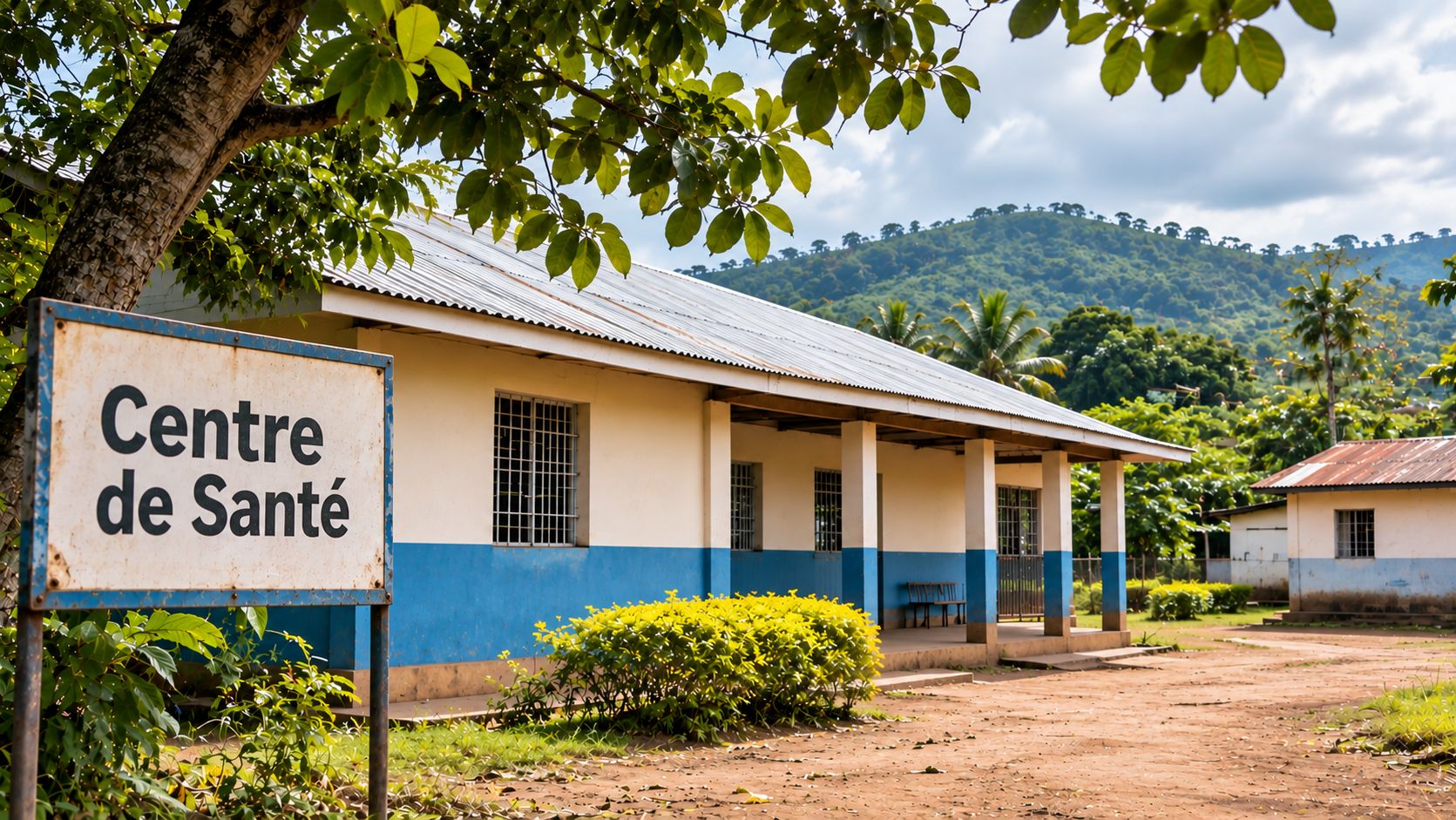
Armed men attacked Cantine village in North Kivu province overnight, setting fire to homes and damaging a health facility.
Local authorities and civil society representatives blamed the Allied Democratic Forces (ADF), an armed group affiliated with ISIL (ISIS).
The violence has raised fears that displaced patients could spread Ebola as health workers struggle to track infections.
Eastern DR Congo attack leaves dozens dead
The attack took place in Cantine, approximately 50 kilometres west of Beni, in the Democratic Republic of Congo (DRC).
According to the Associated Press and Reuters, local civil society leader Justin Paluku reported that at least 33 bodies had been recovered.
He also said attackers burned more than 50 houses and destroyed other property.
Another civil society representative, Tchetche Aliamini, confirmed the reported death toll. He said some victims had suffered gunshot wounds, while others were killed with machetes or burned.
Beni territorial administrator Colonel Charles Omeonga attributed the violence to ADF fighters.
Residents fled their homes as gunfire continued and buildings caught fire.
Ebola patients flee hospital after attack
The eastern DR Congo attack also disrupted medical services in an area already facing a serious Ebola outbreak.
Christian Kakule, medical director of the Kelekele Hospital Centre in Cantine, said approximately 180 patients fled the hospital during the violence.
Those who escaped included patients with suspected Ebola infections and one confirmed case.
Health workers also lost contact with people who had been identified as high-risk contacts or were undergoing medical monitoring.
Kakule warned that the movement of potentially infected patients could increase the risk of further Ebola transmission.
He said gunfire and burning homes were reported within 50 metres of the hospital.
Ebola outbreak adds to humanitarian concerns
The attack comes as eastern DR Congo faces a major Ebola outbreak.
North Kivu accounts for almost half of the country’s newly reported infections, according to the figures cited in the report. Neighbouring Ituri province remains the most affected area.
The Africa Centres for Disease Control and Prevention has recorded more than 10,000 Ebola cases and 5,300 deaths across the DRC during the outbreak.
North Kivu has experienced several previous Ebola emergencies, including the devastating outbreak between 2018 and 2020.
Health officials fear that insecurity could undermine disease surveillance, treatment and efforts to identify people exposed to the virus.
Displacement also makes it harder for medical teams to provide care and prevent further infections.
Who are the Allied Democratic Forces?
The Allied Democratic Forces originated in Uganda and have operated for years in eastern DR Congo.
The group pledged allegiance to ISIL in 2019 and has been accused of numerous deadly attacks against civilians.
In July 2025, an ADF attack in eastern DR Congo killed 66 people, according to the United Nations.
Eastern Congo is also affected by several other armed groups, including the Rwanda-backed M23, which has seized important towns and cities in the region.
Continued violence has displaced communities and complicated humanitarian operations.
Local leaders question security response
Following the Cantine attack, local civil society representatives criticised the security response.
Paluku questioned how armed fighters managed to enter the area despite the presence of government troops and security forces.
He described the incident as a major security failure and called for greater protection of civilians.
The latest violence highlights the overlapping security and public health challenges facing eastern DR Congo.
With displaced residents seeking safety and Ebola patients missing from medical supervision, authorities face growing pressure to restore security and prevent further infections.