
Libya’s eastern-based authorities have banned nationals from Sudan, Eritrea, Ethiopia and Somalia from entering territory under their control, in a move framed as part of a wider effort to regulate the entry of foreign nationals.
The decree, issued Tuesday by the Benghazi-based government of Osama Hamad, bars citizens of the four African countries from entering Libya through land, sea or air crossings.
The eastern administration is allied with military commander Khalifa Haftar, whose forces control eastern Libya and large parts of the south. Libya remains divided between rival governments, with the internationally recognized administration of Abdulhamid Dbeibah based in Tripoli.
A source in the eastern government told Reuters the decision was aimed at “reorganizing” the entry of foreign nationals into Libya.
The ban includes exemptions for accredited diplomatic and consular staff and their family members. It also allows exemptions for workers in education, medicine and allied health services, provided they secure official approvals and valid work contracts from the relevant authorities.
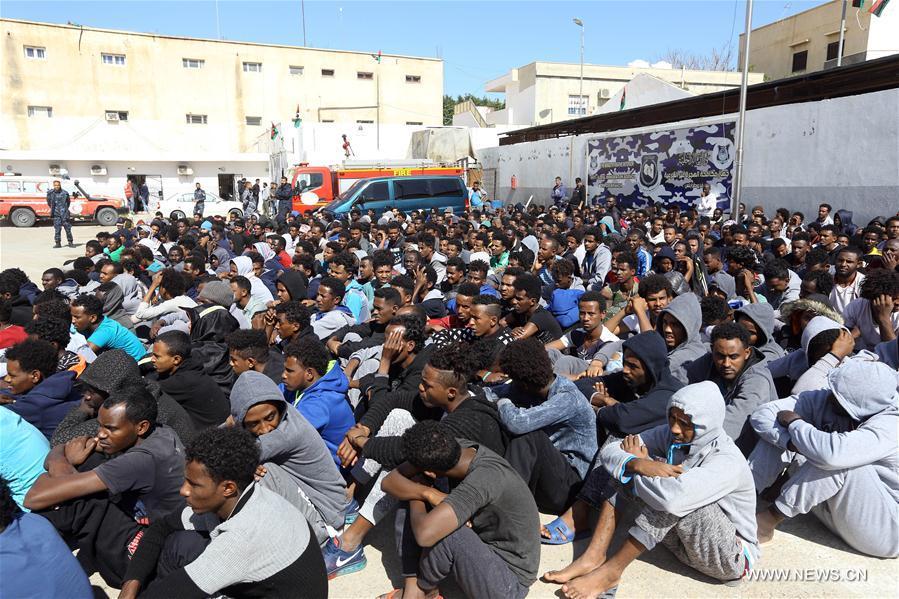
The decision comes as Libya continues to sit at the center of migration routes from Africa to Europe. Since the fall of Muammar Gaddafi in 2011 and the country’s subsequent fragmentation, Libya has become a major transit point for people fleeing war, repression and poverty across the continent.
The country hosts more than 900,000 migrants, according to U.N. figures collected earlier this year.
The move is likely to raise concern among Sudanese nationals, many of whom have fled the war in Sudan or used Libya as a route toward North Africa and Europe. Sudan’s conflict has displaced millions since April 2023, creating one of the world’s largest humanitarian crises.