
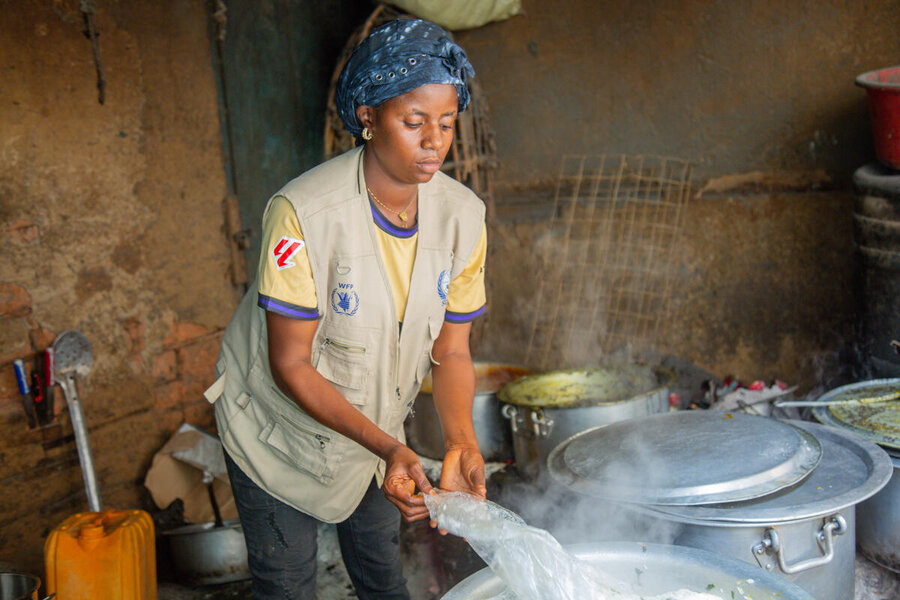
More than 500,000 people in eastern Democratic Republic of the Congo are facing severe hunger as authorities and aid agencies respond to an Ebola outbreak.
The World Food Programme (WFP) says food assistance must form part of the Ebola response because hunger can make it harder for communities to follow health measures.
Ebola response faces growing hunger crisis
WFP Country Director David Stevenson said the response cannot focus on health care alone.
Eastern DRC is already dealing with conflict, displacement and widespread food insecurity.
These pressures make it harder for families to protect themselves during an outbreak.
According to Stevenson, more than 500,000 people in Ituri are experiencing IPC Phase 4 hunger, also known as Emergency-level food insecurity.
That is the second-highest level on the IPC food insecurity scale.
WFP says outbreak is moving quickly
Stevenson warned that the Ebola outbreak is moving faster than the humanitarian response.
Meanwhile, WFP is supporting operations through logistics, humanitarian flights and supply chains.
The agency is also providing hot meals at treatment centres.
Food aid could support Ebola response
WFP is helping to build treatment centres as part of the wider response.
However, Stevenson said additional resources are urgently needed.
In particular, aid agencies need to reach remote communities with food assistance while supporting areas affected by Ebola.
The combination of disease, hunger, conflict and displacement is increasing pressure on communities across eastern DRC.
WFP argues that tackling food insecurity alongside the health emergency will be essential to slowing the outbreak and protecting vulnerable families.