
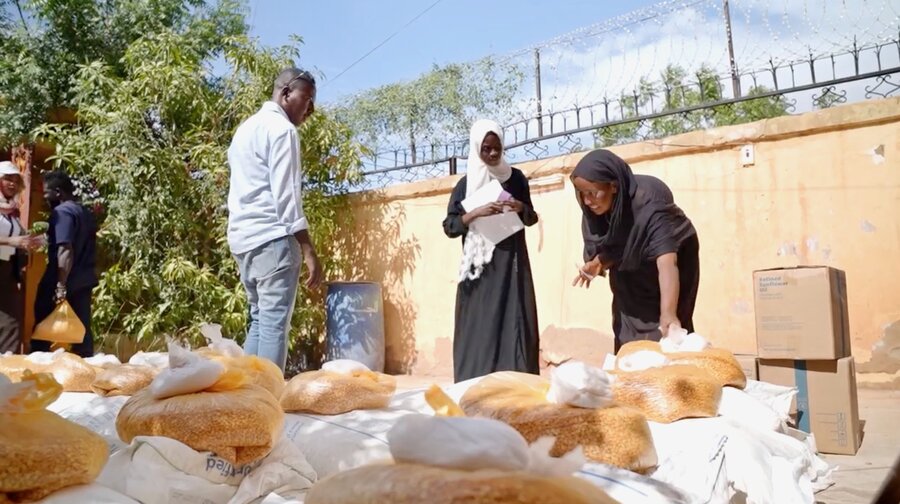
The risk of famine is growing across parts of Darfur as food shortages, disease and poor rainfall place increasing pressure on vulnerable communities.
Jebel Marra, Tawila, Ain Siro and nearby displacement camps are among the areas facing serious humanitarian conditions.
Children, women and older people are particularly vulnerable as food and medical supplies become harder to access.
Poor rainfall threatens food supplies
The crisis comes as poor rainfall has affected farmland across parts of Darfur and Kordofan.
Some crops have been damaged or lost.
Meanwhile, reduced grazing areas are putting additional pressure on livestock and the families that depend on them.
The difficult agricultural season could further reduce food supplies in communities already struggling with hunger.
Disease and weak healthcare add to crisis
Food shortages are only one part of the emergency.
Communities are also dealing with disease outbreaks, unsafe drinking water and limited access to healthcare.
Medical facilities in some areas lack medicines, equipment and other essential supplies.
Displacement camps are facing particularly difficult conditions.
Local civilian authorities have reported deaths linked to shortages of medicines and functioning medical facilities. However, the reported figures have not been independently verified.
Millions face acute food insecurity
Sudan’s wider food crisis remains severe.
Assessments cited from the UN Food and Agriculture Organization and the World Food Programme indicate that around 19.5 million people faced high levels of acute food insecurity during 2026.
Famine risks remain in parts of Darfur and Kordofan.
There are also concerns that severe food insecurity could continue beyond the harvest season and into early 2027.
War and displacement disrupt farming
Sudan’s continuing conflict has severely disrupted agriculture.
Millions of people have been displaced from their homes. At the same time, markets and supply routes have been disrupted.
Farmers have also faced higher costs and difficulty reaching their land.
Together, these pressures have weakened the country’s ability to produce and distribute food.
Climate pressures could make the situation even worse.
Humanitarian agencies urged to act
There are growing calls for international organisations to expand food and medical assistance before conditions deteriorate further.
Priority measures include delivering emergency food supplies and therapeutic nutrition to high-risk communities.
Agricultural and livestock support could also help communities protect their livelihoods.
Humanitarian organisations also need reliable access to communities that are difficult to reach.
Early action will be particularly important as Sudan approaches another uncertain agricultural period.
Without increased humanitarian assistance, poor harvests, displacement, disease and continued conflict could push more communities towards extreme hunger.