
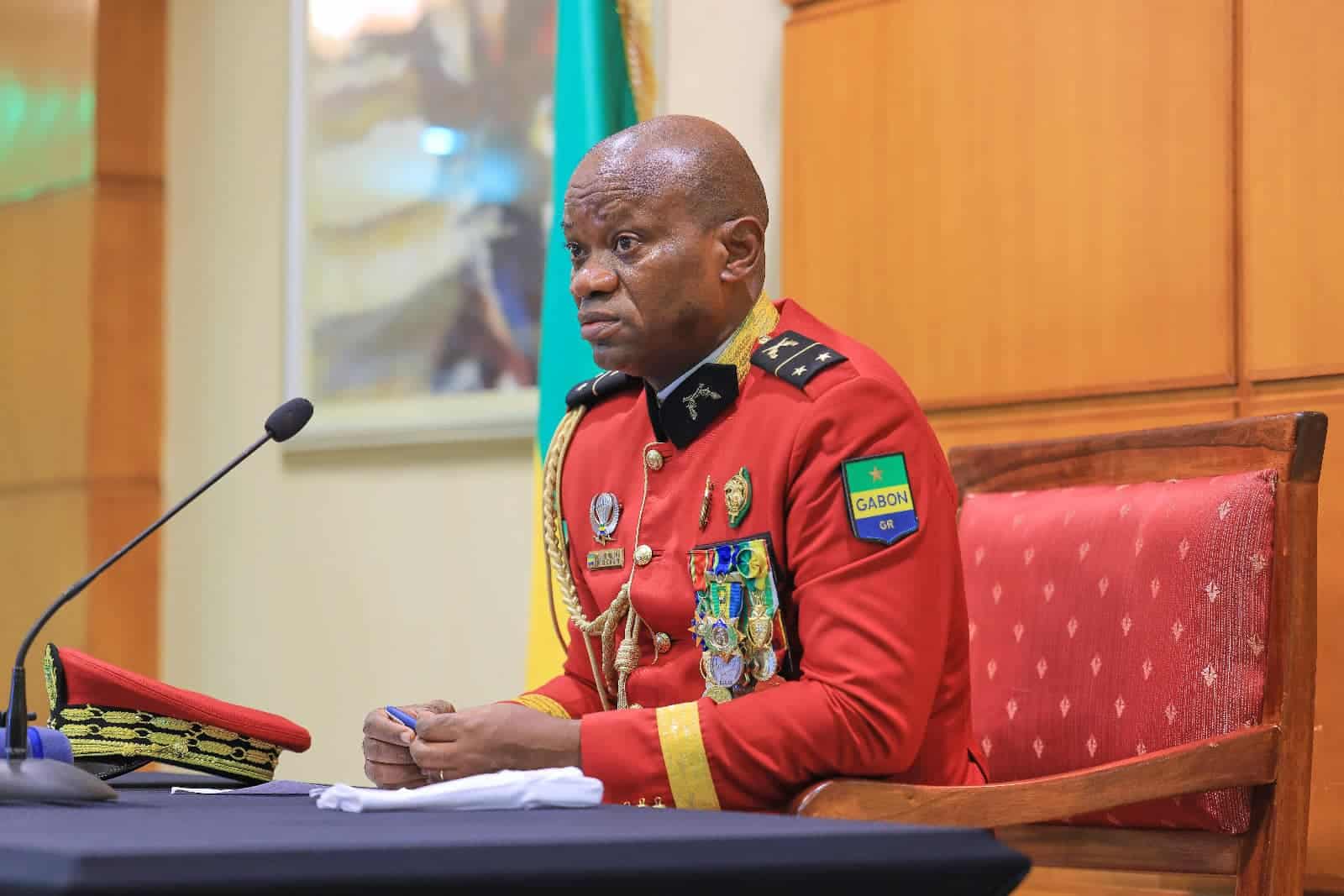
Less than a year into his presidency, Gabon’s Brice Oligui Nguema is confronting his first major test as social unrest spreads.
Teachers have been on strike since December, with other civil servants now threatening action across health, higher education and state broadcasting sectors.
The walkouts mark Gabon’s most serious labour movement since 2022, when similar protests unfolded under former president Ali Bongo.
Oligui seized power months later in a military coup, easing some grievances and buying calm during a two-year political transition.
He won April’s presidential election by a landslide, stirring sweeping expectations of reform, prosperity and a decisive break from the past.
Those hopes are now colliding with daily hardship, as public workers say promises have not yet translated into meaningful economic relief.
Teachers are protesting a decade-old wage freeze that blocks career progression and erodes incomes in the face of rising living costs.
Starting salaries of 350,000 CFA francs a month, about $640, now struggle to meet basic needs after years of steady inflation.
Government spokesman last week described the demands as legitimate, blaming decades of mismanagement under the Bongo family dynasty.
Yet authorities also arrested two protest leaders, fuelling fear and silencing public discussion across schools and neighbourhoods.
The men were freed Monday, after the SOS Education collective suspended talks until their release was secured.
Oligui has since met health and university unions, while promising concessions to state television staff after broadcasts were briefly halted.
Political analyst Lysiane Neyer Kenga said the tension reflects the vast hopes Oligui inspired with speeches targeting unemployment and precarity.
Union leader Magloire Memiaga acknowledged inherited difficulties but said the pledged end to wage freezes has yet to materialise.
For many Gabonese families, patience is thinning, as the promise of renewal waits to find its footing in everyday life.