
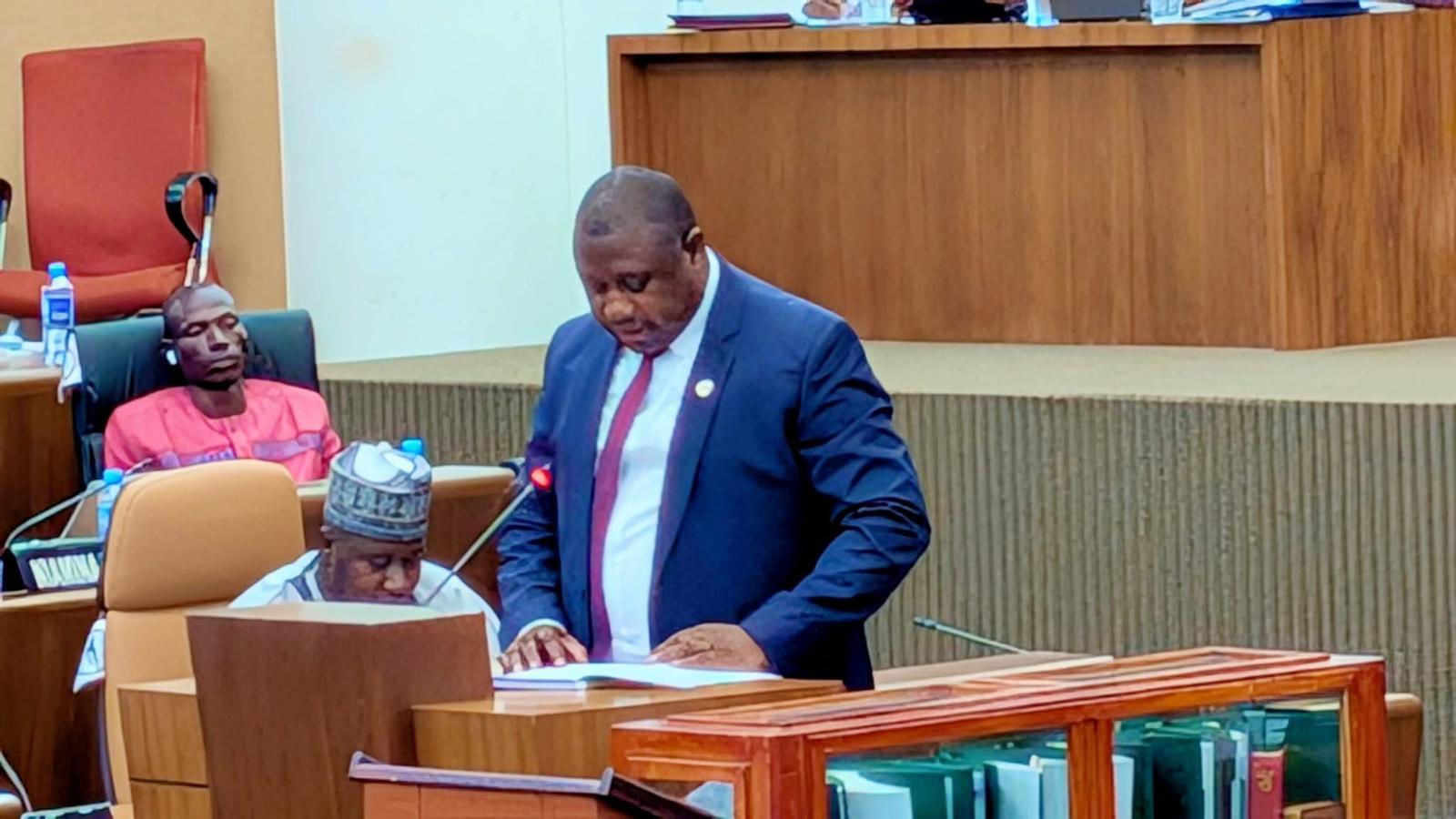
Gambia told the International Court of Justice on Monday that Myanmar deliberately unleashed horrific violence to destroy the Rohingya minority. Speaking in The Hague, Justice Minister Dawda Jallow said the case was not about abstract law, but about real people.
He told judges the Rohingya were targeted for destruction through cruelty that defied imagination and shocked the human conscience. Jallow said the community endured the most horrific violence and devastation imaginable, leaving deep scars across generations of survivors.
The Gambia asked the court to declare Myanmar in breach of the Genocide Convention and to order an end to violations. It also called for reparations, accountability, and guarantees that such crimes will never be repeated against the Rohingya.
The court had already imposed provisional measures on Myanmar in January 2020, ordering steps to prevent further harm. Since then, both states have submitted extensive written arguments addressing the merits of the genocide case.
Jallow said Gambia filed the case only after reviewing credible reports describing brutal and systematic abuses. He pointed to findings from the UN fact-finding mission and respected human rights organisations.
Those independent investigations, he said, left no doubt that Myanmar must be held accountable under international law. Jallow warned Myanmar remains trapped in a cycle of atrocities and impunity, with no perpetrators yet brought to justice.
He said the continued absence of accountability deepens the suffering of victims and weakens faith in global justice. Eleven states, including Canada, France, Germany, the UK, and Ireland, have formally intervened in the proceedings.
The court’s hearings are scheduled to conclude on January 29, as judges weigh the arguments. The Rohingya, a Muslim minority in Myanmar’s Rakhine State, have long faced persecution and systematic discrimination.
Since 2017, about one million Rohingya have fled to neighbouring Bangladesh, escaping military campaigns widely described as genocidal. Their mass exodus stands as a living testament to a people uprooted, traumatised, and still searching for justice.