
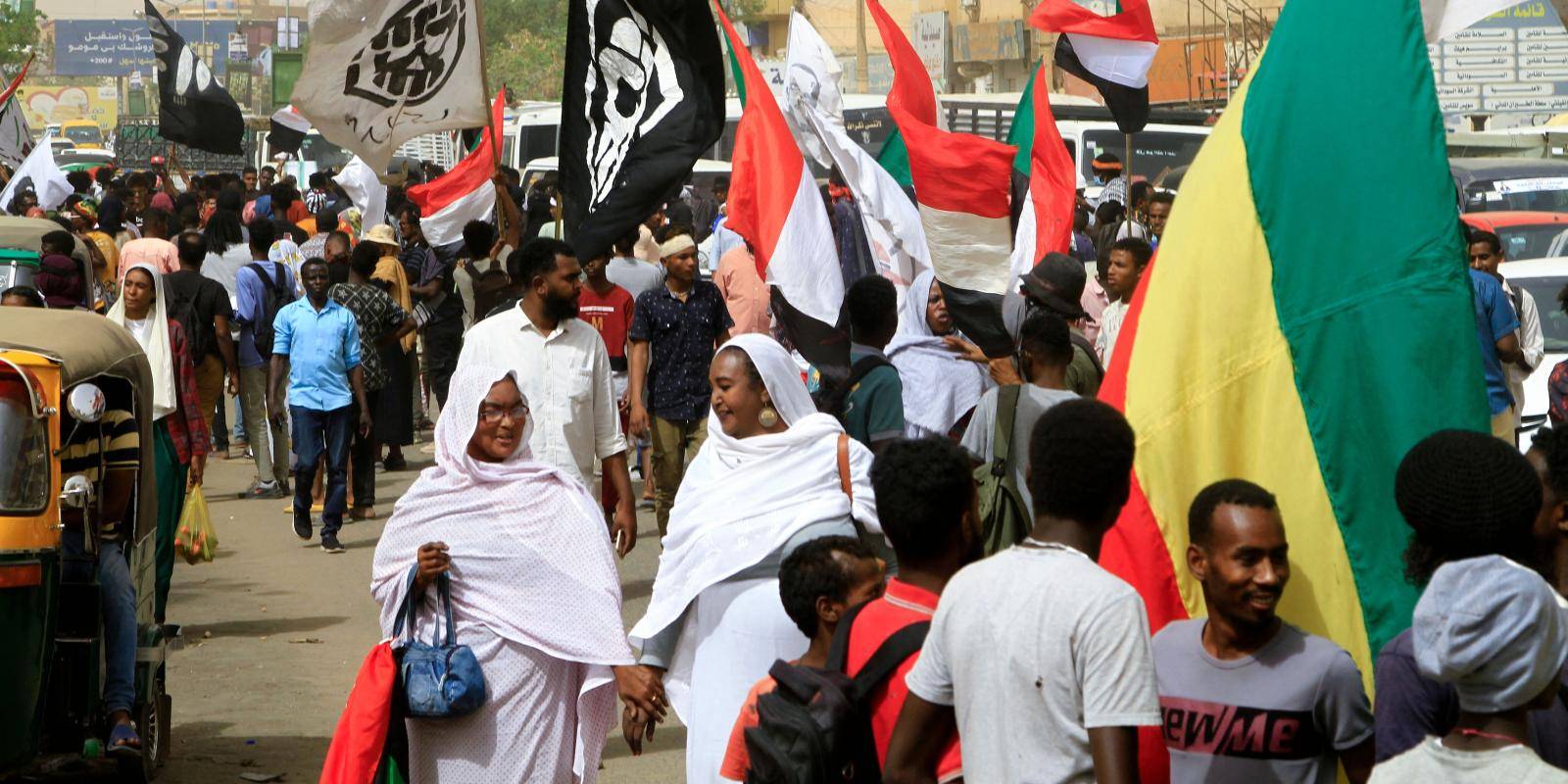
No legitimacy for military takeovers
Statements from the United Nations, the European Union and the US in recent weeks reaffirm that no authority that seizes power by force will receive international political or legal recognition. This comes amid reports that some groups, including Islamist factions, are attempting to position themselves as viable rulers in the post-war landscape.
According to these international positions, any attempt to revive past regimes or restore military dominance would only deepen Sudan’s isolation and instability. A broad-based civilian authority capable of guiding the transition is seen as a necessary condition for any external political or economic support.
Transitional justice seen as essential
Global actors continue to emphasise that transitional justice is not optional, but a core requirement for preventing renewed abuses, protecting victims’ rights and creating the foundations of long-term stability. This includes investigations into violations committed in recent years and holding perpetrators accountable, regardless of their rank or affiliation.
International observers warn that any political settlement that ignores justice, or grants blanket immunity to those responsible for abuses, will undermine public trust and regenerate the roots of conflict. For this reason, justice and civilian transition are treated as inseparable pillars of Sudan’s future.
Mounting pressure for a comprehensive settlement
Diplomatic sources say there are active international efforts to forge a new negotiating framework bringing together civilian and military actors and ending the current political paralysis. These efforts stress that the absence of civilian governance, and the continued militarisation of power, will worsen the humanitarian disaster and obstruct attempts to halt the war.
As Sudanese factions remain locked in confrontation, global calls are rising for a clear roadmap that guarantees broad civilian participation, including youth, women and displaced communities who bear the daily cost of the conflict.