The decision to postpone Guinea-Bissau’s elections until 2028 has sparked frustration among residents of the West African country.
The presidential and legislative elections were originally scheduled for December 6, 2026. However, the military government has extended the transition period by another two years.
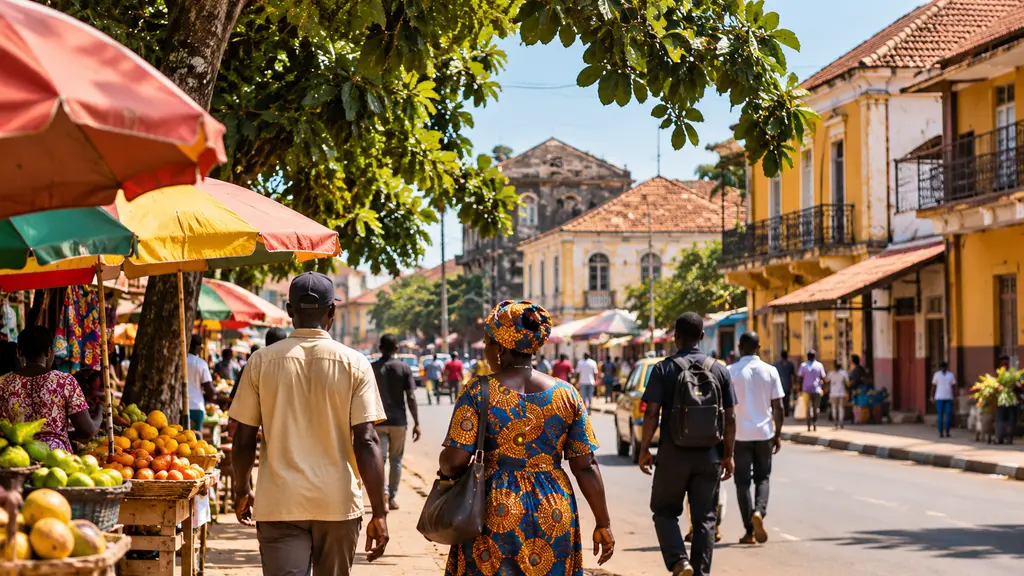
According to Africanews, reporting with AFP, several residents of the capital, Bissau, expressed concern over the decision and its potential consequences.
The elections were intended to mark the country’s return to civilian rule following a military coup in November 2025.
Residents question Guinea-Bissau election delay
Some residents criticised the authorities for making the decision without wider public consultation.
Bissau resident Mamadu Dabó Junior argued that political decisions should involve public discussion and debate.
Meanwhile, another resident, Jalica Cante, expressed concern that the extended transition could prevent the country from moving forward.
Local traders also raised concerns about economic conditions.
Trader Muahmede Nhabali told Africanews that business activity had slowed considerably. He urged military leaders to reconsider the lengthy postponement.
For some residents, the delay adds further uncertainty to an already difficult political and economic situation.
Military government defends postponement
Transitional President General Horta N’Tam defended the decision on Thursday.
He said the country lacked the technical, material and financial resources needed to organise credible elections in December.
However, the military had initially promised a one-year transition to civilian rule after taking power in November 2025.
Under the revised timetable, presidential and legislative elections will now take place on November 26, 2028.
The new date marks exactly three years since the military takeover.
Political uncertainty continues
Guinea-Bissau has experienced repeated political instability since gaining independence from Portugal in 1974.
In August, a constitutional referendum strengthened presidential powers and replaced the country’s previous semi-parliamentary system.
However, opposition groups called for a boycott of the referendum.
The latest election delay has raised further questions about the country’s transition to civilian government.
While military leaders argue that more time is necessary to prepare credible elections, some residents want a faster return to civilian rule.
For now, uncertainty remains over how the extended transition will affect everyday life and political stability.