
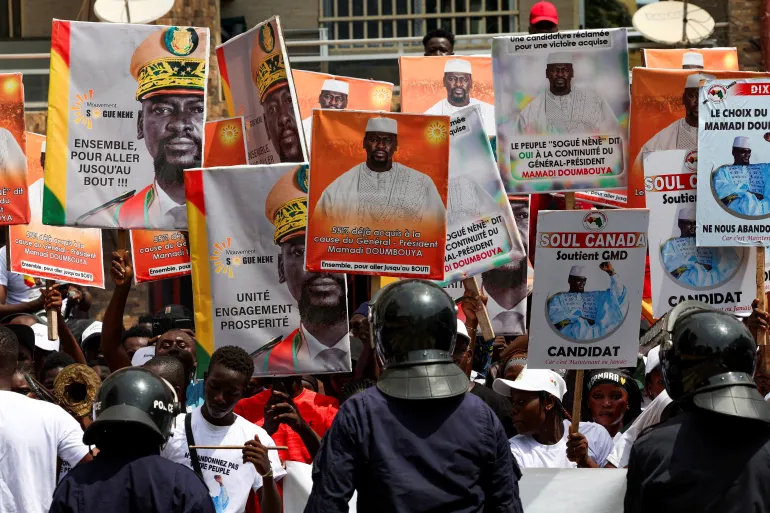
Guineans cast their ballots this Sunday in legislative and municipal elections intended to signal a return to democratic governance.
The polls represent the latest political shift since a 2021 military coup shattered the constitutional framework of the West African nation.
Severe restrictions on civil liberties and a widespread opposition boycott cast a long shadow over the entire electoral process.
Election monitors reported an exceptionally low turnout across the country, particularly within the capital city of Conakry.
Election officials extended polling hours by 90 minutes, keeping stations open until mid-evening to accommodate the sparse crowds.
Nearly seven million citizens were registered to vote, but immense public skepticism severely diluted participation at the ballot box.
Voters were tasked with electing 147 members of parliament from lists largely dominated by the ruling presidential camp.
The military government systematically dissolved the country’s primary opposition parties earlier this year to cement its authority.
Young voters expressed profound confusion at the polls, frequently describing the state-approved candidates as entirely unknown figures.
The main opposition coalition urged a total boycott, formally denouncing the entire exercise as a dangerous electoral farce.
Activists warn that the process is designed to legitimize a new dictatorship rather than restore genuine civilian leadership.
Incidents of political violence emerged on the eve of the vote, including a targeted assault against a remaining candidate.
The peaceful but quiet election followed just days after the major religious holiday of Eid al-Adha slowed national momentum.
Coup leader Mamadi Doumbouya secured a seven-year presidential term last December after facing no meaningful political opposition.
Despite initial promises to hand power back to civilians, Doumbouya has consistently tightened his grip on the nation.
The regime has banned public protests, arrested prominent civil society leaders, and presided over numerous enforced disappearances.
Independent political analysts warn that the country’s governance structures are now completely dominated by a single military force.