
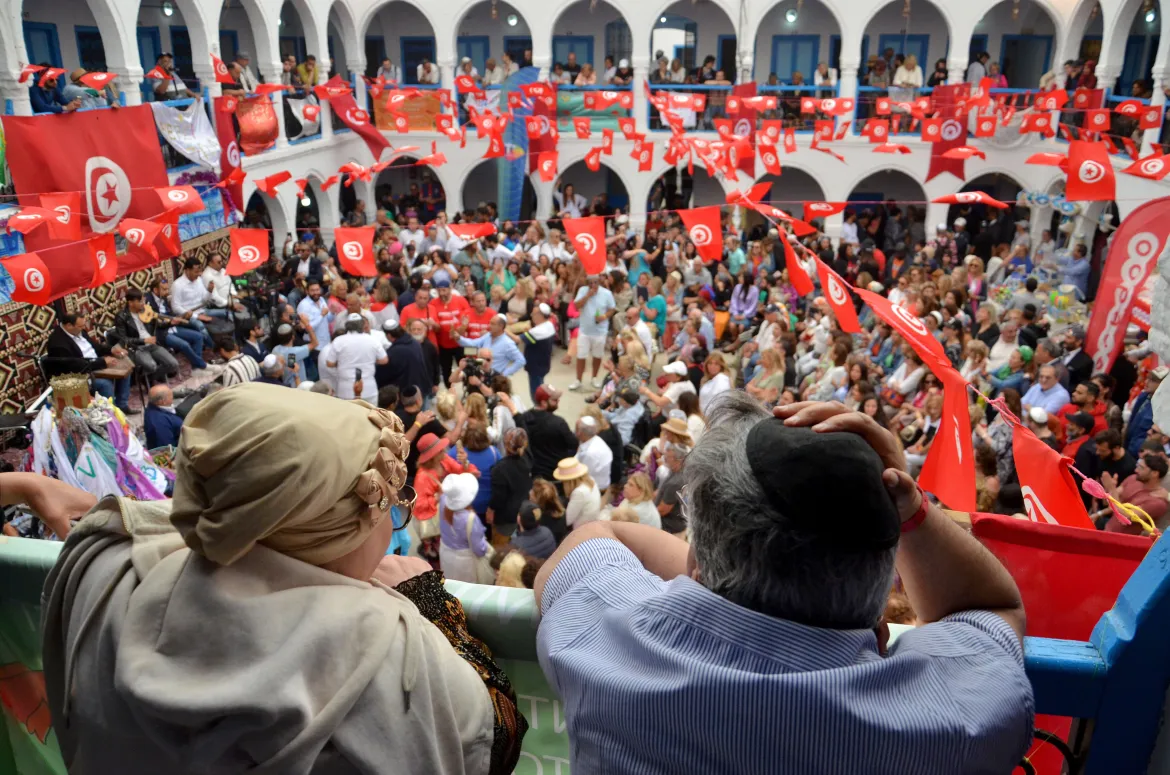
A cautious sense of revival marked this year’s Jewish pilgrimage on Tunisia’s island of Djerba, as worshippers returned after years of subdued attendance.
Organisers reported a noticeable increase in participation following two years of scaled-down gatherings shaped by security fears and tightened restrictions.
The annual pilgrimage to the ancient Ghriba synagogue, a spiritual cornerstone, has historically drawn thousands of visitors from Europe and beyond.
Once a vibrant convergence of faith and tourism, the event had lost momentum after a deadly 2023 attack shook the community.
That assault claimed the lives of two worshippers and three police officers, casting a long shadow over subsequent pilgrimages.
Since then, attendance declined sharply as authorities imposed stricter measures and pilgrims hesitated amid lingering safety concerns.
This year, however, organisers observed what they described as a “marked return” of international participants to the island.
Former tourism minister and co-organiser Rene Trabelsi estimated that around 200 pilgrims arrived from abroad for the gathering.
Djerba, known for its palm-lined shores and resort appeal, remains home to one of the region’s largest Jewish communities outside Israel.
The pilgrimage holds deep cultural and religious significance, anchoring centuries-old traditions within Tunisia’s diverse historical fabric.
Today, only about 1,500 Jewish community members remain in Tunisia, most residing on the island, reflecting decades of migration.
In the 1950s, the community numbered around 100,000 before many departed for Israel and France, reshaping Tunisia’s demographic landscape.
Despite its reduced scale, this year’s pilgrimage carried a quiet resilience, signalling both remembrance and a cautious step toward renewal.