
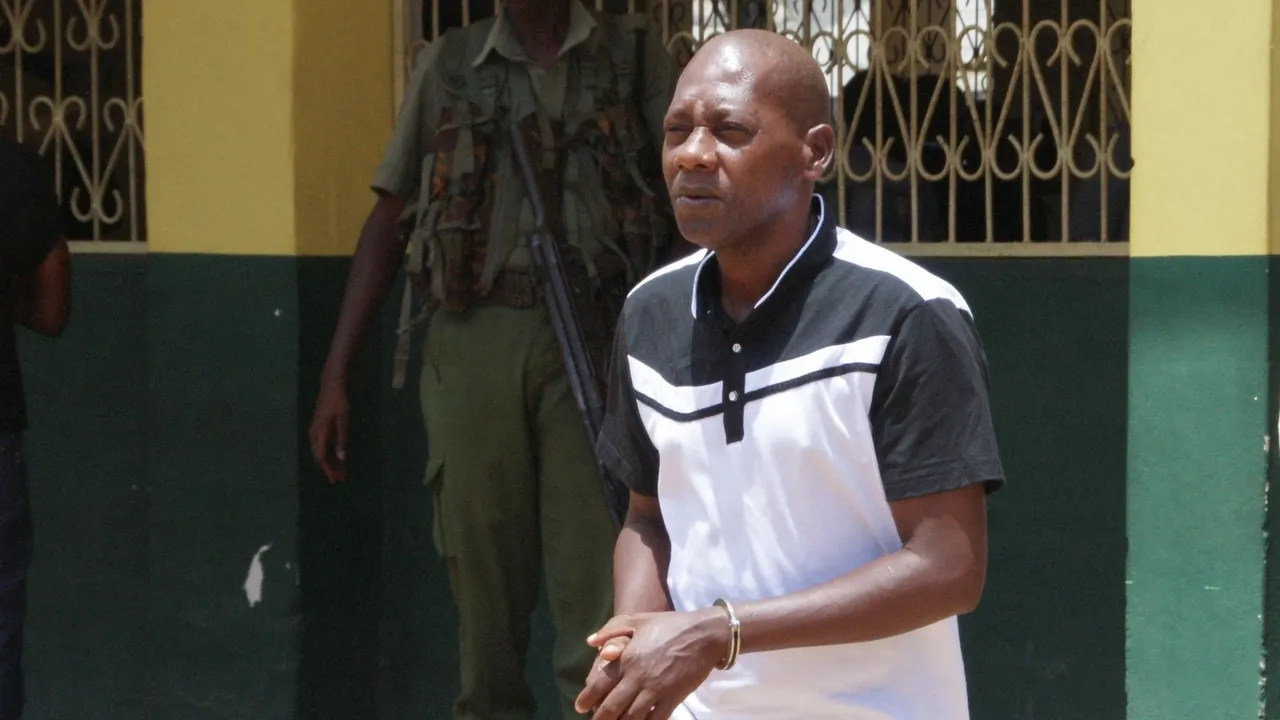
Kenyan prosecutors have announced plans to bring fresh charges against self styled preacher Paul Mackenzie over the deaths of 52 more people, linked to a starvation cult that has already been blamed for the deaths of more than 400 victims.
The case, which first shocked the country in 2023, centres on what became known as the Shakahola Forest massacre, uncovered near the coastal town of Malindi. Hundreds of bodies were later exhumed from shallow graves in the area, exposing one of the deadliest cult related tragedies in Kenya’s history.
Mackenzie, leader of the Good News International Church, has pleaded not guilty to multiple counts of manslaughter and remains in custody as his trial continues in Mombasa. Prosecutors now say further investigations uncovered another killing site in the remote village of Binzaro, around 30 kilometres from Shakahola along the Indian Ocean coast.
According to the Office of the Director of Public Prosecutions, a court in Malindi has approved the filing of new charges against Mackenzie and several co accused over the deaths at the Binzaro homestead in Kilifi County.
Prosecutors said Mackenzie is suspected of masterminding the deaths through what they described as radical teachings, which were allegedly used to lure followers to isolated locations. The new charges include murder, radicalisation, and facilitation of terrorist acts, adding to the existing cases linked to Shakahola.
Investigators said handwritten notes were recovered from prison cells occupied by Mackenzie, allegedly detailing mobile money transactions believed to be connected to the cult’s operations.
Residents in the Binzaro area previously warned that the cult continued to operate even after Mackenzie’s arrest, following the discovery of dozens of bodies and human remains at the site last year.
Mackenzie, a former taxi driver, has been accused of encouraging followers to starve themselves to death in the belief it would allow them to meet Jesus. Prosecutors allege enforcers were used to prevent members from leaving the cult’s compounds alive.
The case has renewed debate in Kenya over the regulation of religious groups and the failure of authorities to intervene earlier despite repeated warnings.