
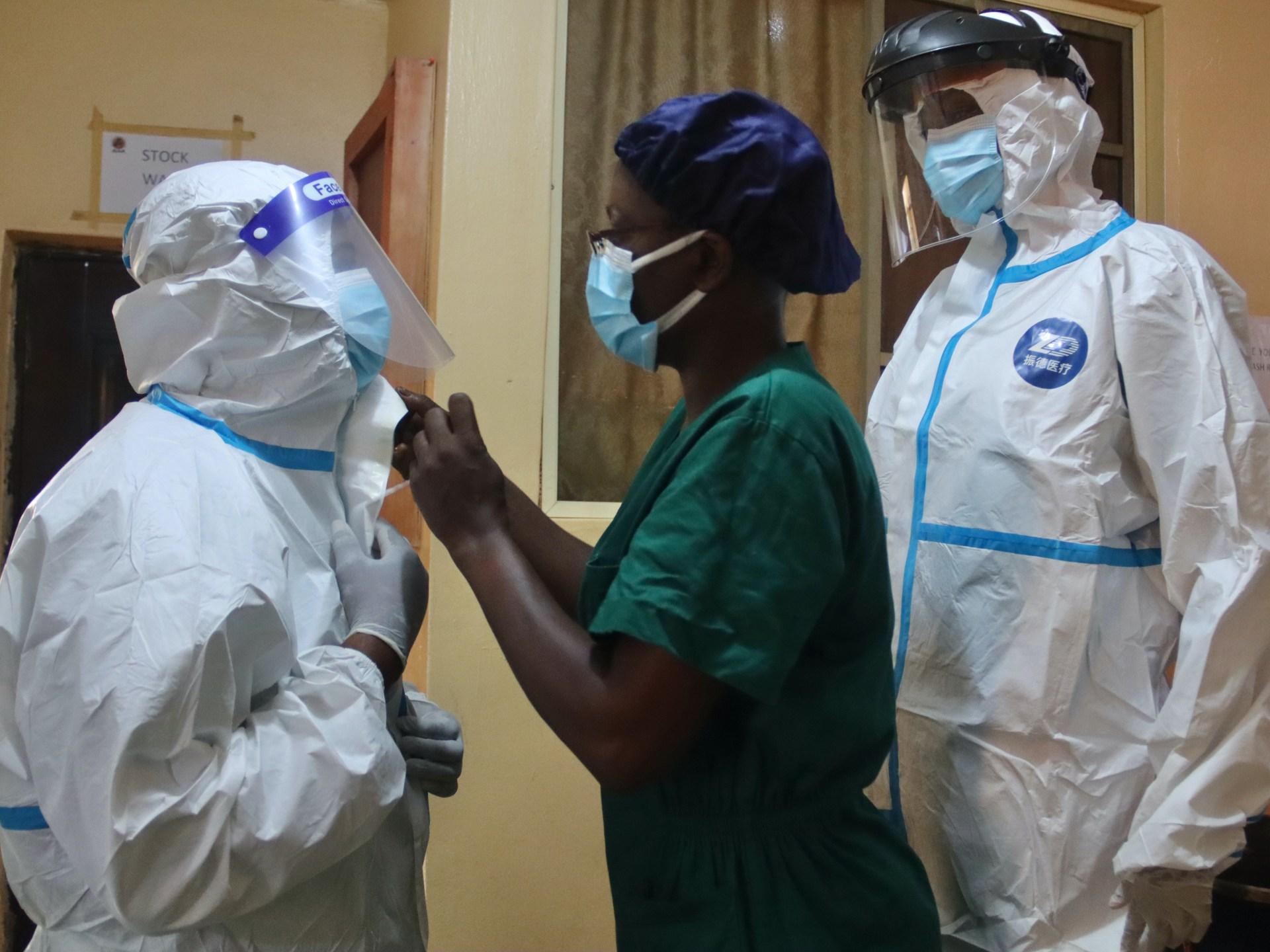
Nigeria has recorded 252 deaths from Lassa fever since the beginning of 2026, with the number of confirmed infections rising to 1,035, according to the country’s public health agency.
The Nigeria Centre for Disease Control and Prevention said 14 new cases were confirmed during epidemiological week 33, covering August 10–16. The infections were reported in Ondo, Edo, Bauchi and Benue states.
Two deaths were recorded during the week, while health officials investigated 151 suspected cases. Confirmed infections increased from four in the previous reporting week to 14.
The outbreak’s case-fatality rate has reached 24.4%, compared with 18.6% during the same period last year, when Nigeria reported 159 deaths among 854 confirmed cases.
Lassa fever has been detected in 117 local government areas across 23 states. Ondo, Bauchi, Taraba, Edo and Benue account for 87% of confirmed infections, with the remaining cases spread across 18 states.
People between the ages of 21 and 30 are the most affected group, the NCDC said.
Lassa fever is an acute viral haemorrhagic illness endemic to parts of West Africa. It is primarily transmitted through food or household items contaminated by the urine or faeces of infected rodents.
Human-to-human transmission is also possible, particularly in healthcare facilities where infection-control measures are inadequate.
Although outbreaks are more frequently reported during Nigeria’s dry season, infections occur throughout the year.
Health authorities have urged the public to keep homes and food-storage areas clean, limit exposure to rodents and seek prompt medical care after developing symptoms such as fever, weakness, headache, sore throat, vomiting or unexplained bleeding.