
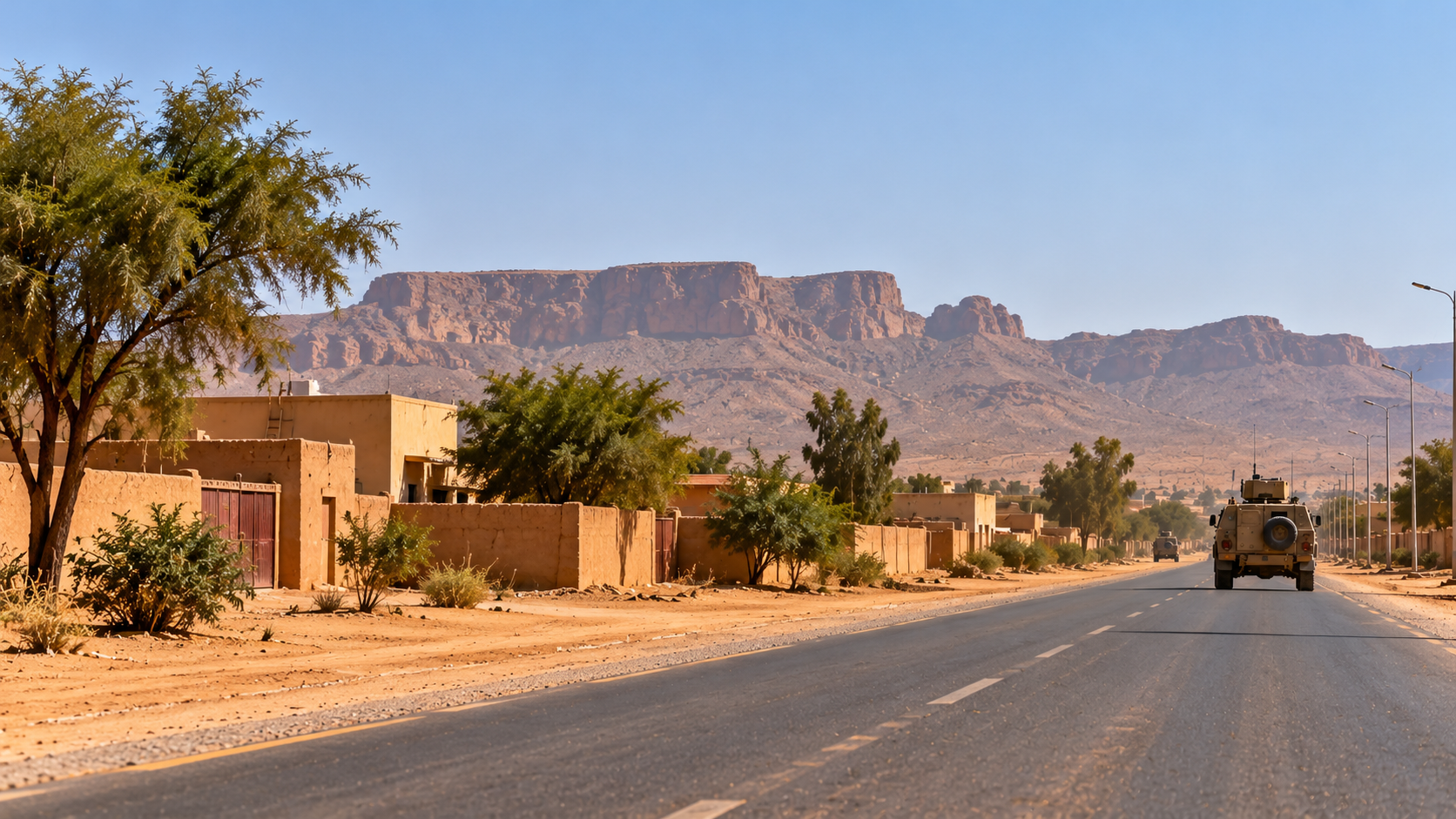
Mali’s army and armed groups have been accused of committing serious human rights violations, including the killing of civilians and the execution of captured soldiers, according to a new report by Human Rights Watch (HRW).
The rights organisation said Malian military forces, their Russian allies and opposition armed groups have violated international humanitarian law during operations across the West African country.
According to Al Jazeera and AFP, the report, released on Monday, October 19, calls for urgent international action to prevent further atrocities.
HRW urged the African Union’s Peace and Security Council to respond to the deteriorating security situation.
Mali army accused of deadly attacks on civilians
Human Rights Watch accused Mali’s military and the Russia-controlled Africa Corps of killing and injuring civilians during military operations and in custody.
The organisation said it documented two apparently indiscriminate drone strikes carried out by Malian forces.
The first attack, on July 29, reportedly damaged part of a healthcare facility in the northeastern Kidal region.
A second strike, on August 19, hit a market in the central Bandiagara region, killing six civilians and injuring at least 20 others, according to HRW.
The rights group also reported an operation in the southern Segou region in which Malian soldiers allegedly shot and killed five girls.
Meanwhile, members of the military-allied Dozo militia were accused of killing three civilians in the central Mopti region.
HRW said those responsible had not been held accountable.
Armed groups accused of executing captured soldiers
The report also documented alleged abuses committed by armed groups fighting Mali’s military.
According to HRW, fighters from Jama’at Nusrat al-Islam wal-Muslimin (JNIM) and the separatist Azawad Liberation Front attacked a military convoy in the Gao region on July 18.
The organisation accused the groups of torturing and executing at least 19 captured Malian soldiers.
JNIM acknowledged that prisoners had been killed but denied ordering their deaths, HRW reported.
The Azawad Liberation Front also acknowledged fighting Malian and Russian forces that day but denied executing captured soldiers.
These allegations highlight concerns about violations of international humanitarian law by multiple parties involved in Mali’s conflict.
Civilian deaths from airstrikes reportedly increase
Human Rights Watch also cited figures from the Armed Conflict Location and Event Data project (ACLED), which monitors conflict-related violence worldwide.
According to the data, Malian forces and Africa Corps carried out 49 airstrikes between April and August 2026 that killed 89 civilians.
During the same period in 2025, ACLED recorded 22 strikes and 44 civilian deaths.
The figures indicate a significant increase in both reported airstrikes and civilian casualties.
HRW said its findings were based on interviews with 30 people, including witnesses, journalists, community leaders, human rights defenders and a Malian soldier.
The interviews took place between late July and mid-September.
Mali conflict continues after years of instability
Mali has faced armed conflict and insecurity since 2012, with government forces confronting several armed groups, including separatist movements and other fighters.
The country has been governed by military authorities following coups in 2020 and 2021.
Mali subsequently strengthened its security cooperation with Russia.
Russian Wagner Group fighters initially supported Malian forces before the Russia-controlled Africa Corps took over their role in 2025.
Despite continued military operations, allegations of civilian casualties and other abuses remain a major concern.
Human Rights Watch urges African Union action
Human Rights Watch called on the African Union’s Peace and Security Council to take urgent steps to prevent further violations.
The organisation warned that soldiers and armed groups continue to commit serious abuses while international responses remain limited.
HRW said it sent a letter to Mali’s defence minister on August 5 outlining its findings and requesting answers.
However, the organisation reported receiving no response.
The latest allegations underline the continuing risks faced by civilians and captured combatants as Mali’s conflict enters another year.