
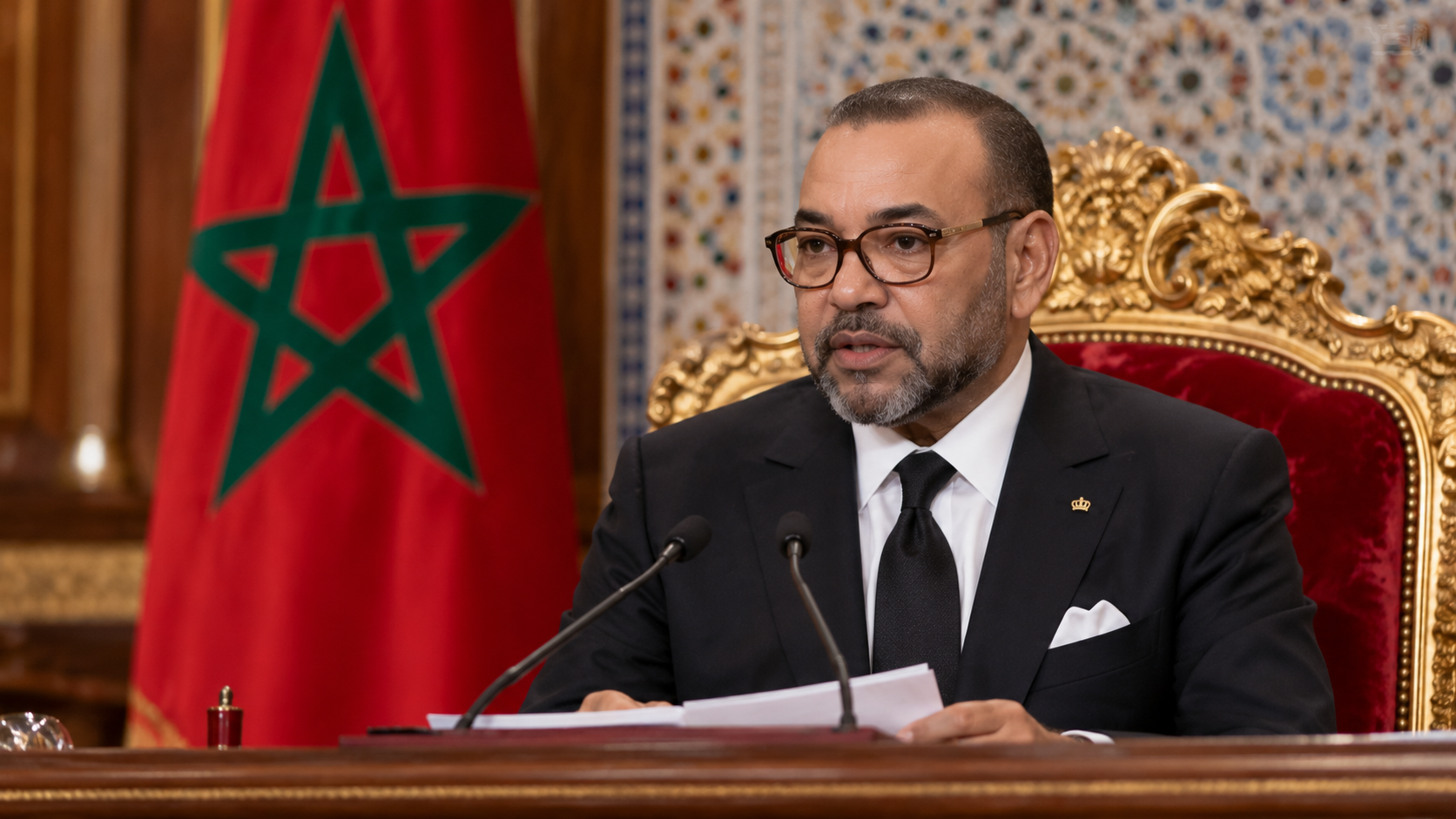
Morocco youth employment has become a central focus of King Mohammed VI’s latest parliamentary address, with the monarch calling for better education, more jobs and greater economic opportunities for young people.
Speaking at the opening of a new parliamentary session in Rabat on Friday, the monarch urged public institutions to adopt a more coordinated approach to addressing challenges facing young Moroccans.
His remarks followed months of youth-led protests over unemployment, public services and limited economic opportunities.
According to Africanews and AFP, the king also outlined plans to strengthen economic development and redefine aspects of Morocco’s cooperation with Spain.
Morocco’s king prioritises youth employment
King Mohammed VI said government institutions must place greater emphasis on policies that improve opportunities for young people.
He called for an integrated strategy covering education, professional training, skills development and access to employment.
The monarch stressed the importance of ensuring equal opportunities for young Moroccans, particularly those facing difficulties entering the labour market.
He also encouraged greater private-sector investment to support economic growth and job creation.
The proposals come amid concerns over youth unemployment and growing demands for improvements in public services.
Youth protests highlight economic concerns
The king’s speech followed demonstrations in which young Moroccans expressed frustration over limited job opportunities and the quality of essential services.
Protesters have called for improvements in public healthcare, education and employment prospects.
Economic pressures have also contributed to concerns about migration, particularly among young people seeking opportunities abroad.
In July, large numbers of migrants crossed into the Spanish territory of Ceuta from Morocco.
Many were young people, according to the report, highlighting the wider challenges surrounding employment and economic opportunities.
The king’s latest remarks placed these concerns within Morocco’s broader national development agenda.
Morocco seeks stronger cooperation with Spain
King Mohammed VI also addressed Morocco’s relationship with Spain, defending the importance of bilateral cooperation.
He said the partnership remained a sovereign decision based on mutual interests.
The monarch rejected what he described as external pressure and criticism surrounding the relationship.
He announced plans to present a strategic document outlining Morocco’s future approach to cooperation with international partners.
The proposed framework will focus on economic competitiveness, joint development and regional stability.
The announcement follows tensions surrounding migration into Ceuta, a Spanish-administered territory bordering Morocco.
King calls for regional development reforms
Beyond youth employment, the king highlighted the need to improve Morocco’s regional development policies.
He criticised delays in transferring administrative powers and financial resources to regional authorities.
The monarch also called for stronger policies to improve water, energy and food security.
These priorities form part of efforts to address economic disparities and strengthen the country’s long-term development.
He urged institutions to introduce a new generation of economic strategies capable of responding to changing social and economic conditions.
Opposition seeks concrete action
Following the parliamentary address, opposition lawmakers said they would assess whether the government’s commitments lead to practical reforms.
They emphasised the importance of translating broad policy objectives into measurable improvements.
The king’s proposals have placed youth employment, education and economic inclusion at the centre of Morocco’s policy debate.
Attention will now turn to how public institutions implement these priorities and whether the proposed measures address the concerns raised by young Moroccans.