
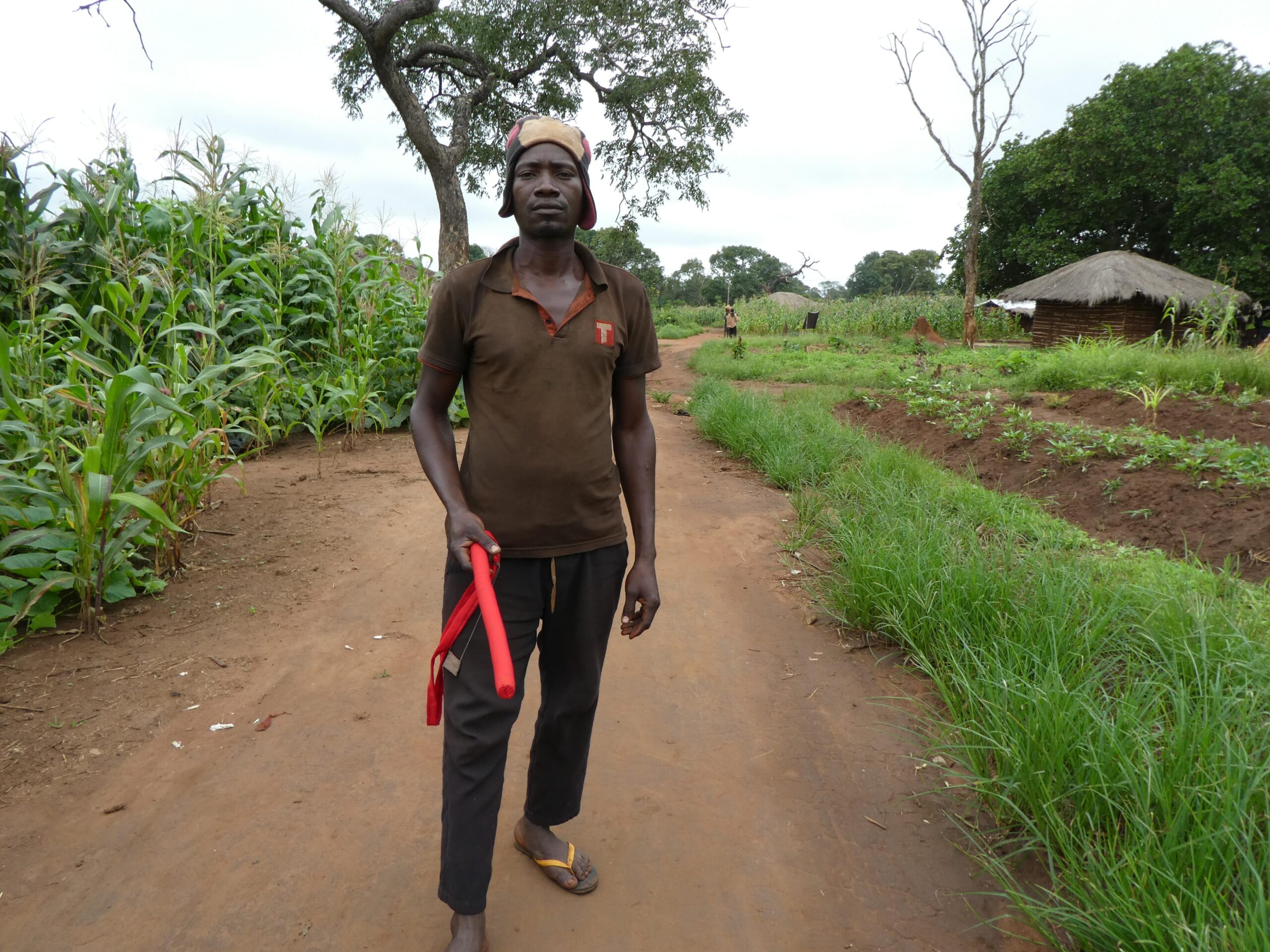
Mozambique’s decision to authorize the formation of local militias known as the Naparama to support government forces against armed groups, particularly Daesh in the northern province of Cabo Delgado, has raised questions over whether irregular fighters can provide an effective response to the country’s worsening security crisis.
The Mozambican government is increasingly relying on local militias in its efforts to restore stability, following a strategy adopted by several other African countries. Burkina Faso and Niger have also created civilian self-defence groups to fight experienced armed organizations, but doubts remain over whether such forces can help governments regain control.
Mozambique is facing an escalating insurgency in Cabo Delgado, where Daesh-affiliated militants continue to operate as foreign military missions prepare to withdraw from the region. The planned departures have fuelled concerns over the potential consequences for security and stability.
“A major failure”
Despite the establishment of civilian self-defence militias, several African governments continue to lose control over large parts of their territory.
Amr Diallo, a military expert specializing in African affairs, described the strategy as a “major failure.”
“Burkina Faso has lost control over nearly 70 percent of its territory, while Daesh continues to expand in Mozambique’s Cabo Delgado province,” Diallo told Erem News.
“Relying on militias has clearly demonstrated its limitations, particularly because their members often lack adequate military training and operational capabilities.”
Diallo said efforts by Mozambique, Burkina Faso and Niger to depend on such groups were unlikely to restore lasting security.
“The solution lies in dismantling the underlying conditions that have allowed extremist and separatist organizations to recruit young people suffering from poverty, unemployment and marginalization,” he said.
Legitimate concerns
Although governments in Mozambique, Mali, Niger and Burkina Faso have presented the creation of militias as a temporary response to insecurity, the policy has raised concerns over whether authorities will be able to disarm or control the groups once conditions improve.
Mohamed Idris, a political analyst specializing in African affairs, said the concerns were “entirely legitimate.”
“Experience has shown that these militias can fuel ethnic and communal conflict by deepening tribal disputes and regional divisions,” Idris told Erem News.
He warned that the proliferation of weapons among irregular forces could also undermine peace initiatives and further destabilize affected countries.
“The unprecedented spread of weapons in the hands of non-state forces will only deepen the security crisis,” he said. “Many of these formations are increasingly seeking influence and power rather than focusing on fighting terrorist groups.”
Idris added that reliance on militias risks weakening the authority and sovereignty of the state.
“The most important issue is that betting on these militias undermines state institutions,” he said. “For decades, the state maintained a monopoly over the legitimate use of force through its army and security institutions.”