
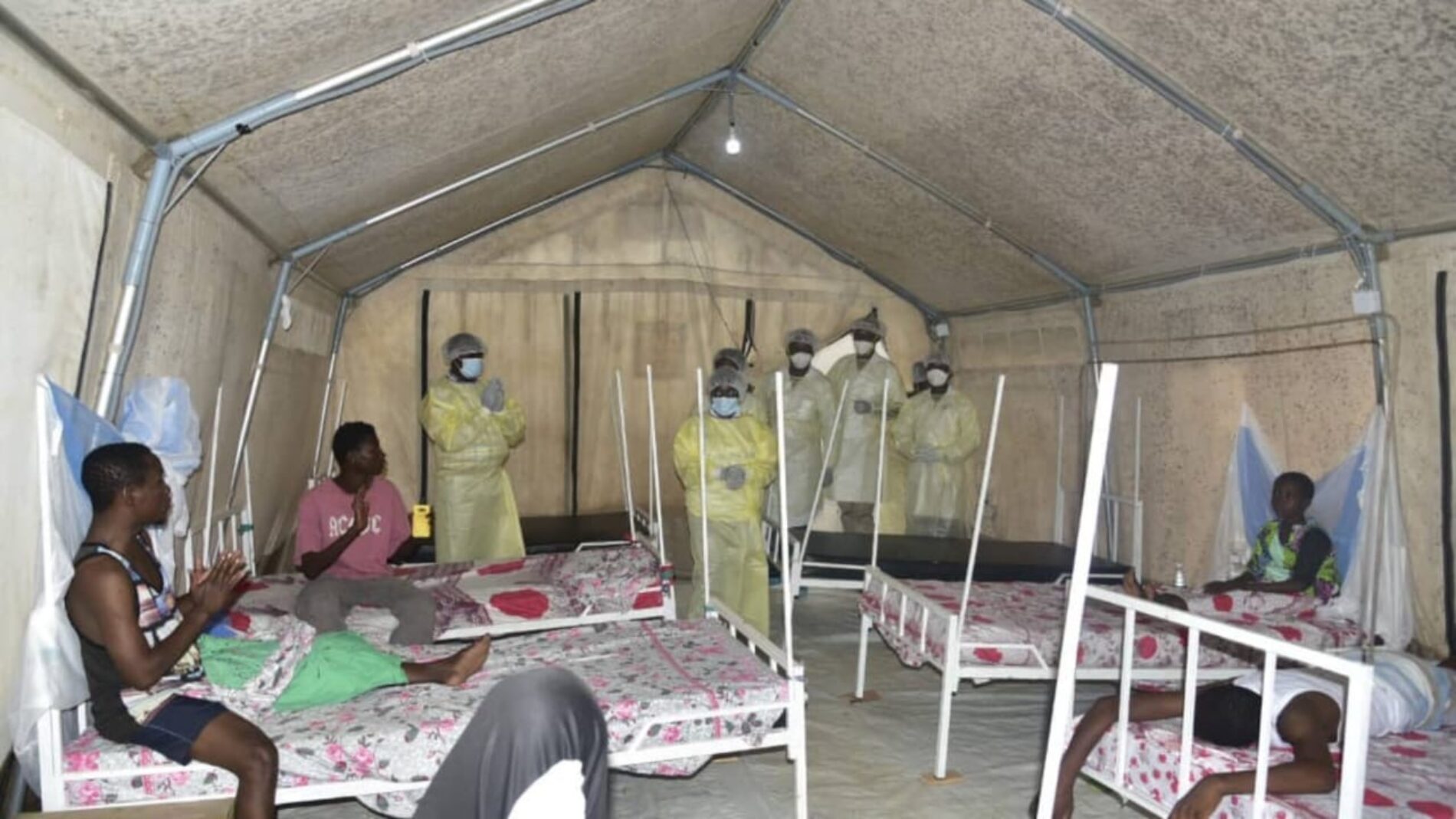
A mysterious outbreak in northern Burundi has killed five people and sickened thirty-five others, prompting urgent epidemiological investigation across Mpanda district.
Cases were first detected on 30 March in Mpanda district, emerging within a single household and its immediate contacts nearby.
Patients have reported fever, vomiting, diarrhoea, blood in urine, fatigue, abdominal pain, with severe cases showing jaundice and anaemia symptoms.
Five deaths have been confirmed as the illness spreads, intensifying concern among local health authorities and international monitoring agencies now.
Laboratory tests have ruled out Ebola, Marburg, Rift Valley fever, yellow fever, and Crimean-Congo haemorrhagic fever viruses according to reports.
Experts are exploring bacterial infections, malaria complications, and environmental toxins as possible causes beyond rare viral pathogens currently under review.
Cases remain heavily clustered within one household, suggesting a localized exposure source and raising epidemiological concern among investigators ongoing scrutiny.
Patient samples have been sent to the National Institute of Biomedical Research in the Democratic Republic of Congo for metagenomic sequencing.
Health authorities continue investigations, seeking answers to a mystery illness that has unsettled communities across northern Burundi regions remain vigilant.