
The audit by Inventus and Mozar flagged irregularities, estimating losses for the state at 300 to 600 billion CFA francs. A recovery commission was set up to reclaim the funds.
The overhaul sparked a two-year dispute with Canadian miner Barrick Mining, Mali’s largest gold producer, resolved in November. Other operators, including B2Gold, Allied Gold, Resolute Mining, Endeavour Mining, and lithium firms like Ganfeng and Kodal, settled their arrears and adopted the new code earlier.
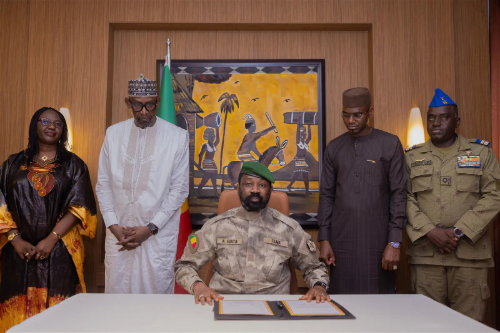
“I am delighted with these results, recovering 761 billion CFA out of a target of 400 billion,” Sanou said during a ceremony presenting the audit report to President Assimi Goita.
Under the 2023 mining code, all companies now operate with higher contributions to the state. Annual revenues from audited firms alone are expected to rise by 586 billion CFA francs, bringing the total contribution to about 1,022 billion CFA francs per year. Audit and legal costs amounted to 2.87 billion CFA francs.
Mamou Touré, a member of the renegotiation committee, noted that the aim was not only to recover funds but also to secure a substantial state stake in mining contracts. Mali, Africa’s second-largest gold producer in 2023, relies heavily on mining for both export earnings and government revenues. The sector has seen slower growth, with industrial gold output falling 32% year-on-year to 26.2 metric tonnes by the end of August.